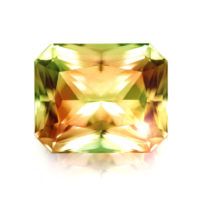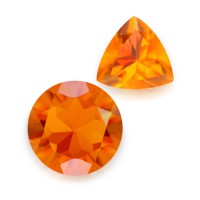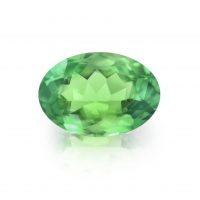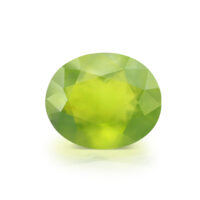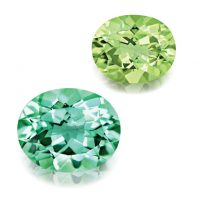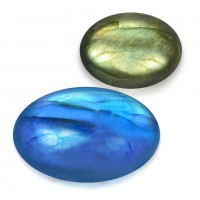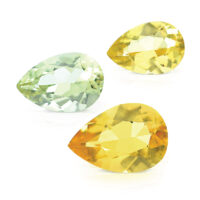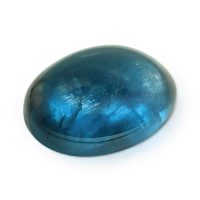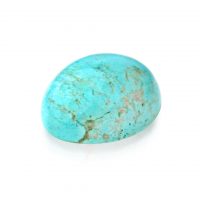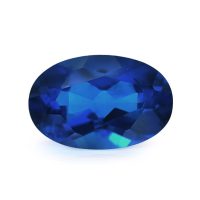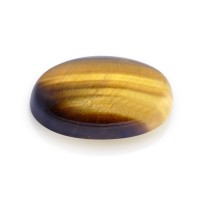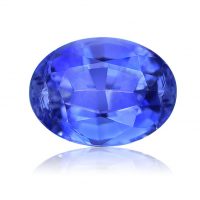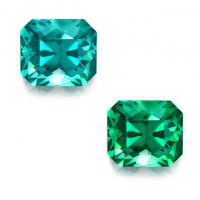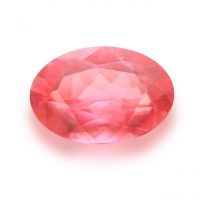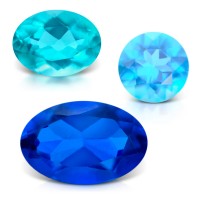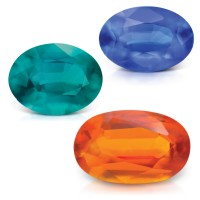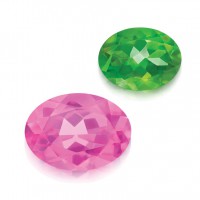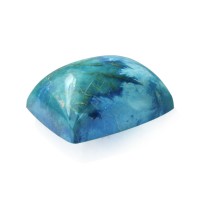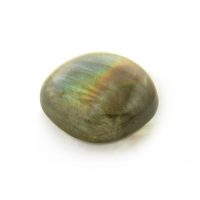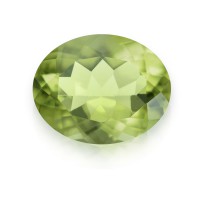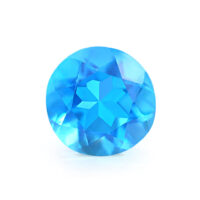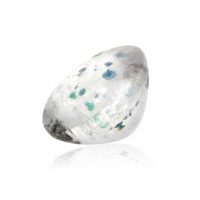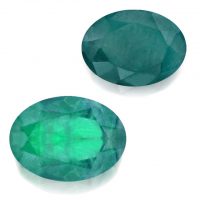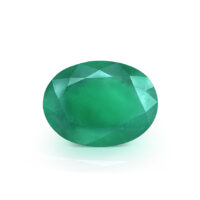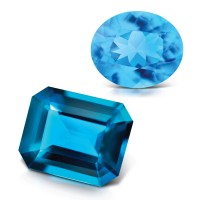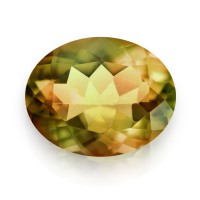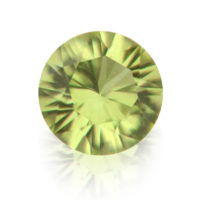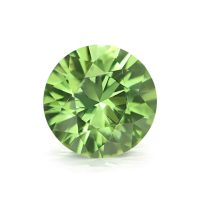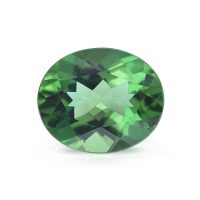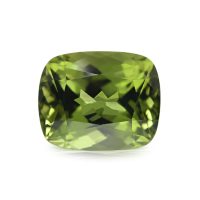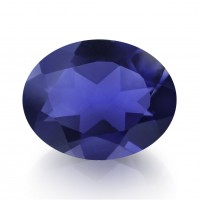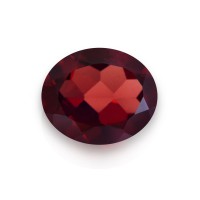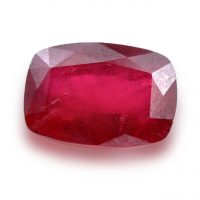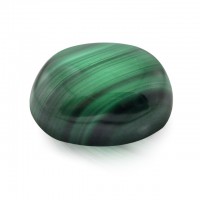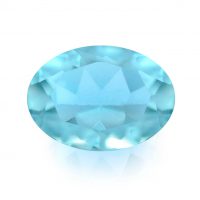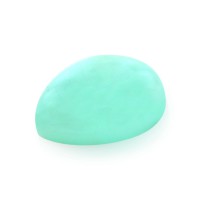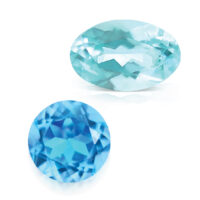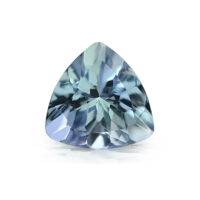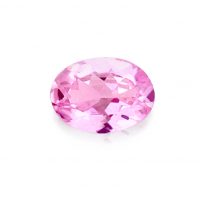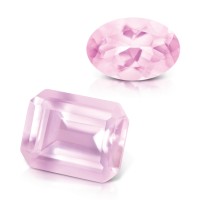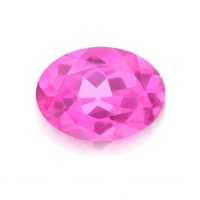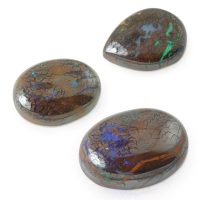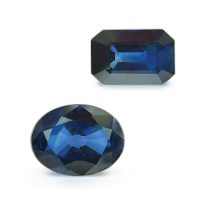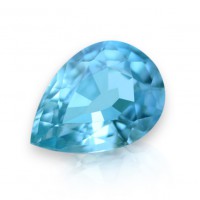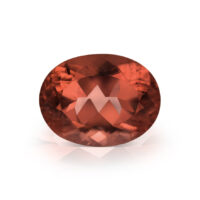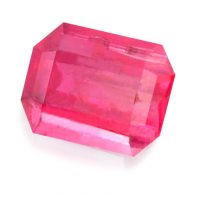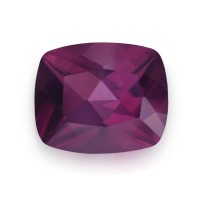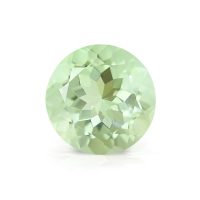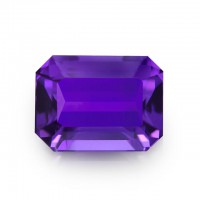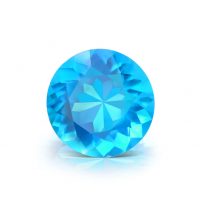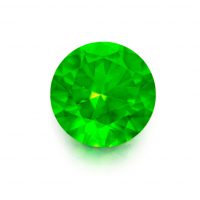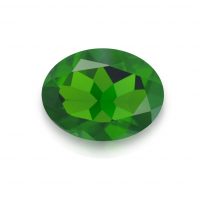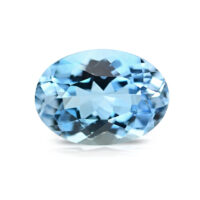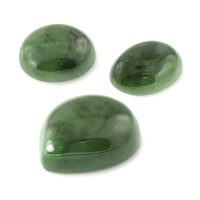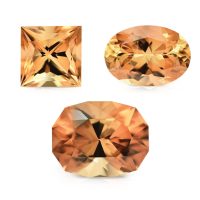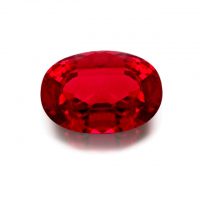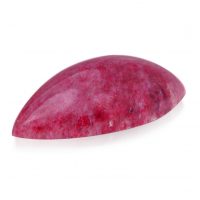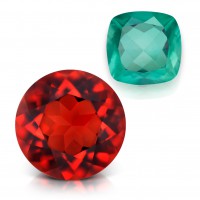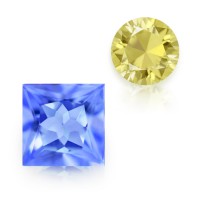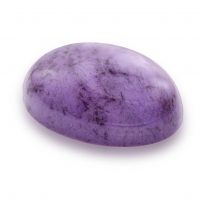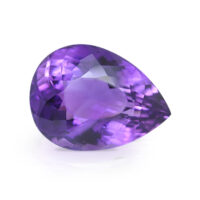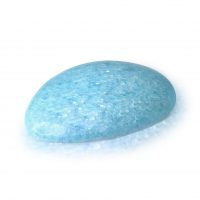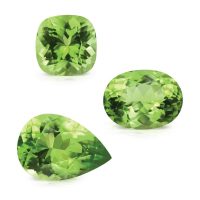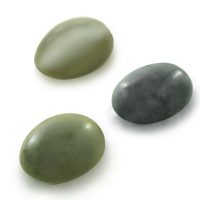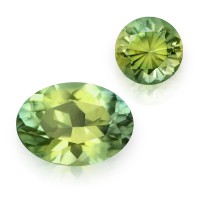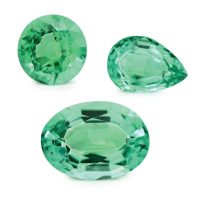
An exotic gemstone synonymous with Madagascar, Grandidierite (pronounced “Grand‑die‑deer‑ite”) is valued for its oceanic beauty, Emerald‑like appearance, everyday wearability, and undeniable rarity. Though over a century has passed since its first Madagascan discovery in 1902, facet‑grade crystals remain exceptionally scarce. Our Grandidierite was revealed in May 2014, just 56 kilometers northwest of its original discovery; exhausted by 2016, this deposit is long finished. Highly coveted and listed among the world’s most valuable gemstones, historic Grandidierite today stands as a legacy jewel with limited, rapidly depleting reserves.
Hardness 7 – 7.5
Refractive Index 1.583 – 1.639
Relative Density 2.85 – 3.00
Enhancement None
Beauty
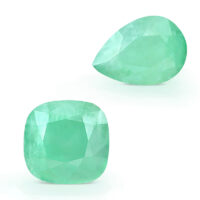
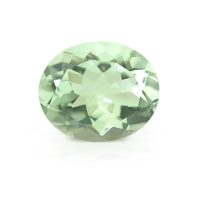
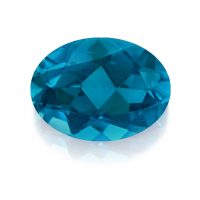
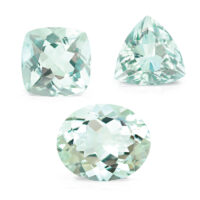
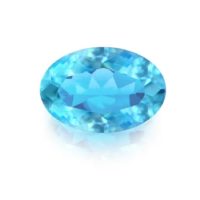
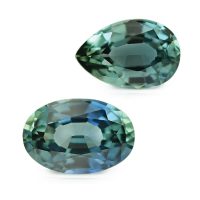
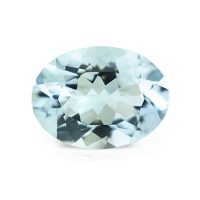
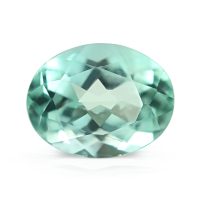
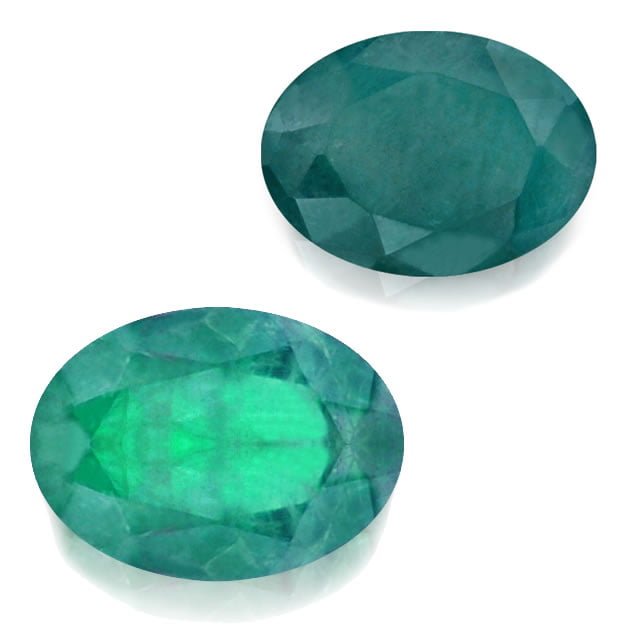
Grandidierite displays striking seafoam greenish‑blues and bluish‑greens in highly desirable medium to medium‑dark saturations (strength of color) and tones (lightness or darkness), with a translucent glow. While small, eye‑clean Grandidierite has been faceted in very limited quantities, inclusions remain a characteristic and accepted trait. Grandidierite is classified by the Gemological Institute of America (GIA) as a Type III gemstone, typically growing with many inclusions that are usually eye‑visible, the same as Emerald. Nevertheless, cut quality is critical, as a skilled lapidary can orient Grandidierite’s inherent inclusions to minimize their impact on beauty.
Grandidierite’s inclusions (needle‑like channels), parallel growth planes, and two cleavage directions make it challenging for the lapidary. If incorrectly oriented, the gem is highly susceptible to breakage or damage during cutting. It also features trichroic pleochroism, showing three distinct colors depending on the viewing angle: dark blue‑green, colorless (sometimes very light yellow), or dark green. Skilled lapidaries are required not only to keep Grandidierite intact, but also to reveal its best table‑up color.
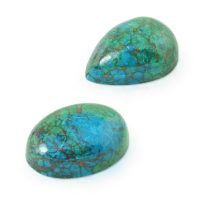
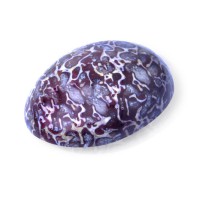
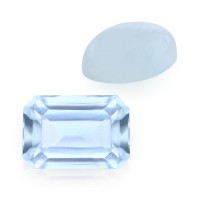
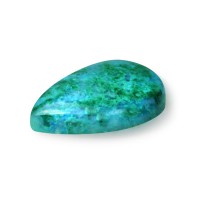
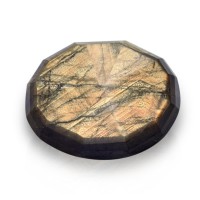
Our Grandidierite was optimally faceted in the legendary gemstone country of Thailand (Siam), home to some of the world’s finest lapidaries. Each crystal was carefully oriented to maximize color, finished with a high polish that accentuates its vitreous, glassy luster, and an attractive overall appearance (outline, profile, proportions, and symmetry). They are moderately included, typical of Grandidierite clarity, with inclusions visible to the unaided eye that do not negate beauty. Since its discovery, most gem‑quality Grandidierite has been heavily included and translucent. Cabochons cut from these crystals are highly attractive, with some even appearing Jade‑like.
Grandidierite is named for French explorer and naturalist Alfred Grandidier (1836 – 1921), who studied the natural history of Madagascar. An extremely rare magnesium‑iron‑aluminous borosilicate, Grandidierite was first described in 1902 at the cliffs of Andrahomana on Madagascar’s southern coast by Alfred Lacroix (1863 – 1948), a French mineralogist and geologist best known for his pioneering work on the island’s mineralogy. Grandidierite occurs in transparent to translucent greenish‑blues and bluish‑greens, appearing bluer the more iron it contains. Born to a very wealthy family, Alfred Grandidier and his older brother, Ernest Grandidier (1833 – 1912), were anything but idle‑rich. At the age of 20, Alfred and Ernest undertook a voyage around the world. Initially led by the astronomer and physicist Pierre Jules César Janssen (1824 – 1907), after only six months Janssen fell sick and had to return to France. Remarkably, the brothers continued alone — in 1856, still in their twenties. They traveled to South America in 1858 and 1859, visiting the Andes, Argentina, Bolivia, Brazil, Chile, and Peru. During this voyage they gathered a significant collection of specimens that were analyzed by Ernest in 1860, with the two brothers parting ways shortly after. Ernest Grandidier went to China and collected a vast number of specimens that are now in the Louvre and the Guimet museums. Alfred traveled to India, arriving in 1863. He had intended to explore the high plateau of Tibet but was prevented by a severe attack of fever. Grandidier traveled to Zanzibar to recuperate, remaining some time and making important collections and publishing an account of his findings. He then visited the island of Réunion and in 1865 made his first visit to Madagascar. He became devoted to the study of the island, revisiting in 1866 and 1868. He finally returned permanently to France in 1870. During his explorations he crossed the island three times, traveling 3,000 kilometers in the interior and 2,500 kilometers along the coast. He made observations that resulted in the production of a map of the island used in future expeditions. After returning to France, he began penning his most notable work, L’Histoire Physique, Naturelle et Politique de Madagascar. This book was undertaken in cooperation with others such as Alphonse Milne‑Edwards and Leon Vaillant, running to 40 volumes, with the final editions published posthumously by his son Guillaume Grandidier. He described about 50 new species of amphibians and reptiles. Alfred Grandidier’s writings drew the attention of the French government to Madagascar, which it annexed in 1890. He was elected to the French Academy of Sciences in 1885 and was also president of the French Geographical Society (1901 – 1905). The Royal Geographical Society awarded him their Founder’s Gold Medal in 1906. A lizard, Oplurus grandidieri, and a snake, Xenotyphlops grandidieri, were named in his honor by French herpetologist François Mocquard. Grandidier’s Baobab (Adansonia grandidieri) was also named in 1888 by French botanist Henri Ernest Baillon (1827 – 1895), in tribute to Alfred. Today, this legendary French explorer is remembered for reptiles, a tree, and an extraordinary gemstone.
Rarity
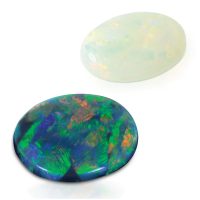
Although not widely known, largely due to its scarcity, Grandidierite’s extreme rarity ranks it seventh on the top‑ten list of the world’s rarest and most valuable gems: Painite¹, Alexandrite², Taaffeite³, Jadeite⁴, Red Beryl⁵, Black Opal⁶, Grandidierite⁷, Benitoite⁸, Tanzanite⁹, and Poudretteite¹⁰. This infrequency, combined with Grandidierite’s gorgeous ocean‑hues and exotic origin, is its biggest value determinant and the main reason for its high price. As fine Grandidierite can sell for over USD 20,000 per carat, Forbes ranks it third on their list of the ‘12 Most Expensive Gemstones in the World’. Grandidierite is so scarce that gems of almost any size, color, or clarity will attract a ready collector.
The location of its discovery was visited in 1960 by French geologist Claude Mignot, who was unable to find additional Grandidierite, as the small deposit was depleted. Since then, Grandidierite has been mined in a few other places in southern Madagascar, but these have also since been exhausted. Grandidierite deposits also exist in Algeria, Antarctica, Canada, the Czech Republic, India, Italy, Malawi, New Zealand, Norway, Sri Lanka, Suriname, and the USA. Despite these reserves, facetable Grandidierite has only been mined in Madagascar and Sri Lanka. Discoveries of transparent crystals in Sri Lanka’s Kolonne region (2000), and a new deposit in Madagascar (May 2014), were acclaimed for their beautiful, facet‑quality gemstones.
The deposit is around 15 kilometers from the village of Tranomaro, about 56 kilometers northwest of the original discovery, in the Amboasary District of southern Madagascar’s Anosy region, 60 kilometers northwest of Cape Andrahomana. Access from Tolanaro is via a 60‑kilometer paved road west to Amboasary Atsimo, followed by a rough, unpaved 50‑kilometer road north to Tranomaro, requiring a four‑wheel‑drive vehicle. Final access from the village of Tranomaro to the deposit is a half‑day trek on foot. With bandits in the region, security is an issue.
Due to its remote location and limited production, mining was carried out entirely by hand. Crystals covered a few acres where the weathered pegmatite (coarsely crystalline igneous rock) was worked by near‑surface artisanal and small‑scale mining using spades and pickaxes. Around 12 miners dug shafts up to 15 meters deep, cross‑cutting two Grandidierite‑bearing veins separated by 30 centimeters to a few meters. Minerals associated with Grandidierite at this deposit include Diopside, Dravite, Enstatite, Fluorapatite, Monazite, Phlogopite, Plagioclase, Sapphirine and Zircon. The crystals were manually extracted and sorted on‑site, with the miners carefully removing the valuable mineral specimens to avoid damage. Between May 2014 and March 2016, an estimated 800 kilograms of rough (uncut gem crystals) and mineral specimens were mined. In 2019, gemologist Alexi Riggins of Philips noted that Tranomaro yielded only one fine, gemmy crystal “for every 10,000 pieces of rough.”
Now long depleted, this famed locale once delivered high‑quality Grandidierite to museums and collectors. Assuming a typical gem‑mineral return of 20 – 35 percent, its cutting yield of approximately 15 percent proved lower than usual, intensifying scarcity and constraining availability. Importantly, Grandidierite is entirely natural and unenhanced, further accentuating its desirability, rarity, and value.
Durability & Care
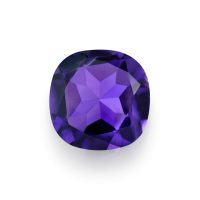
An exotic jewelry gemstone comparable in wearability to Amethyst, Grandidierite (Mohs Hardness: 7 – 7.5) is an excellent choice for everyday normal wear. Grandidierite should always be stored carefully to avoid scuffs and scratches. Clean with gentle soap and lukewarm water, scrubbing behind the gem with a very soft toothbrush as necessary. After cleaning, pat dry with a soft towel or chamois cloth.
Map Location
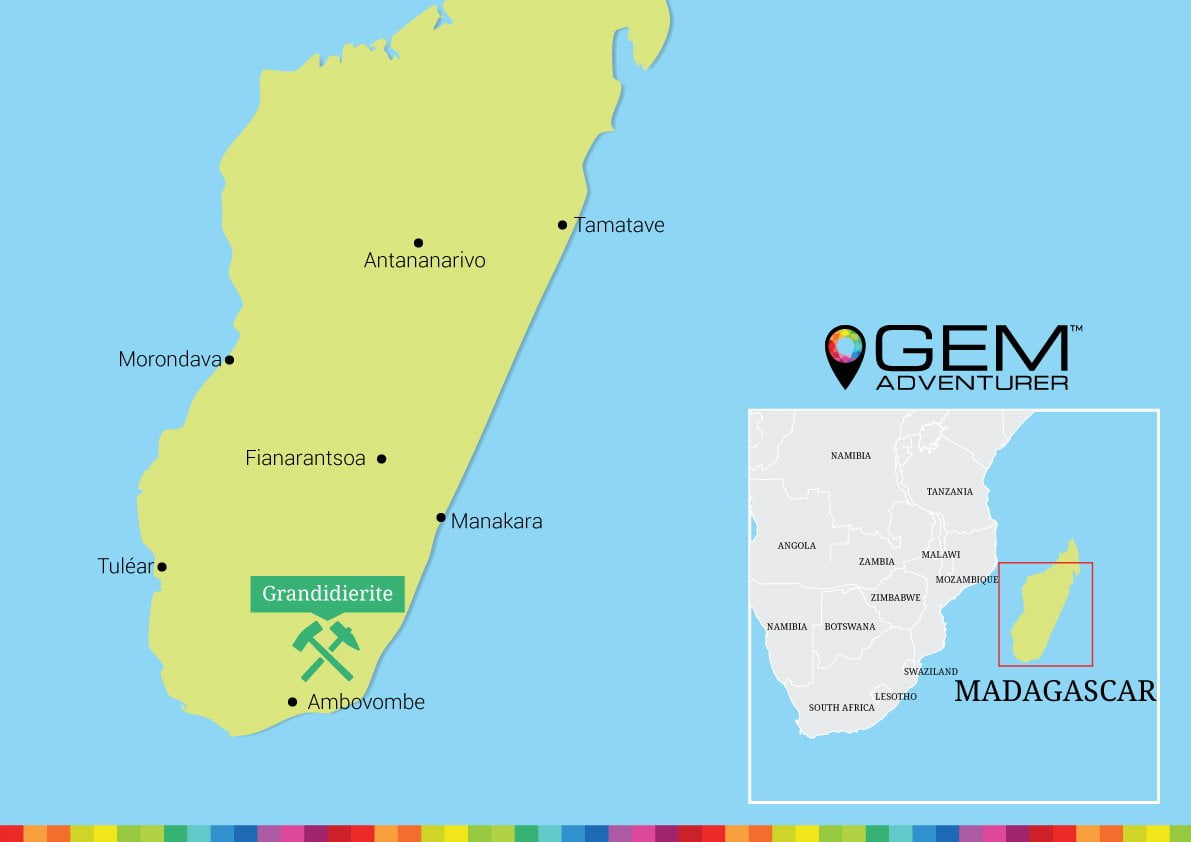
Click map to enlarge