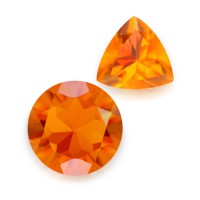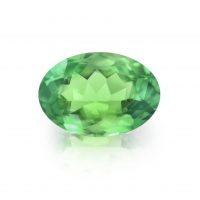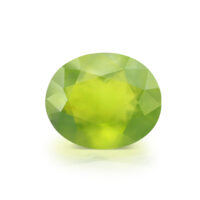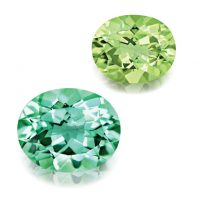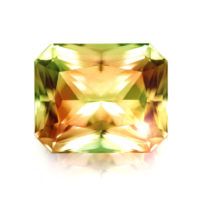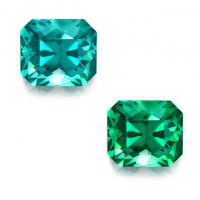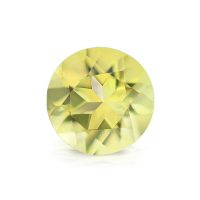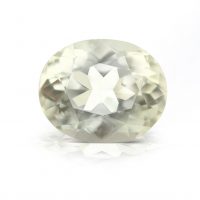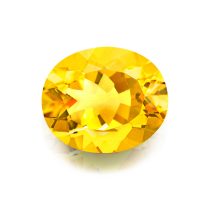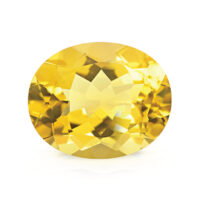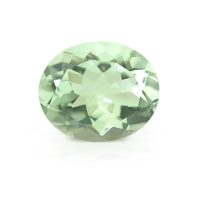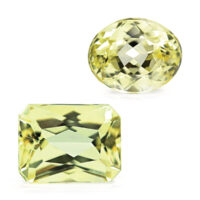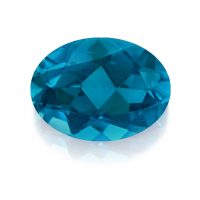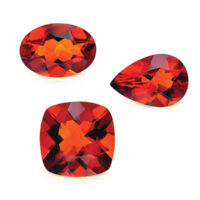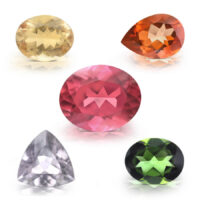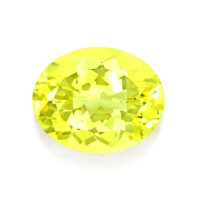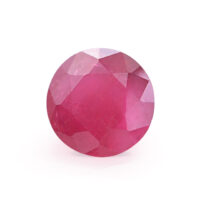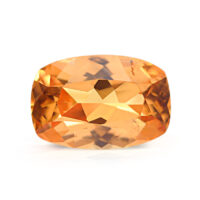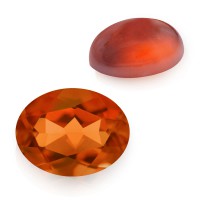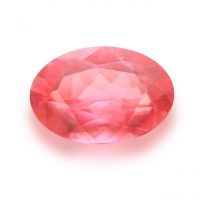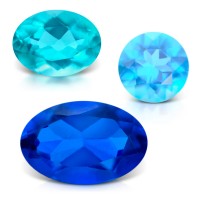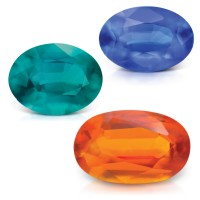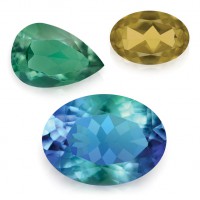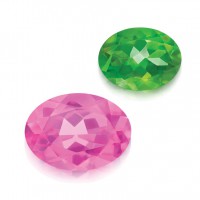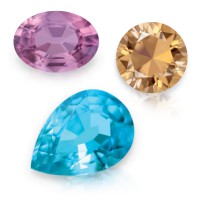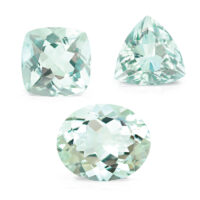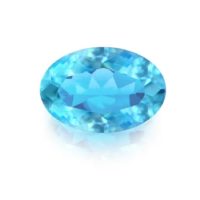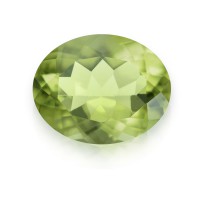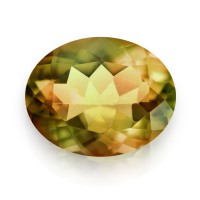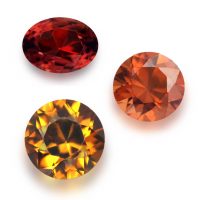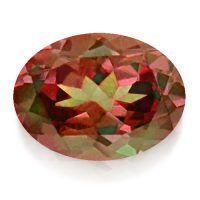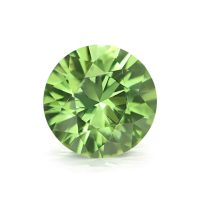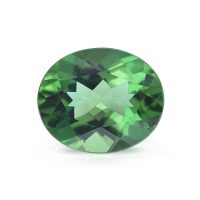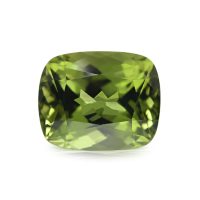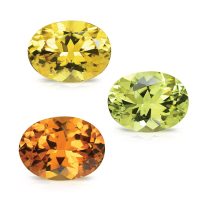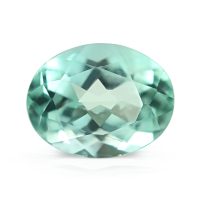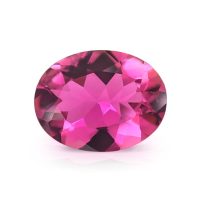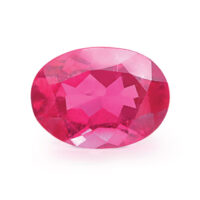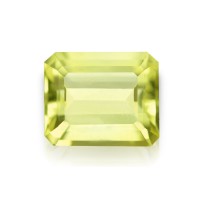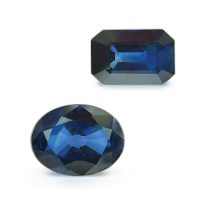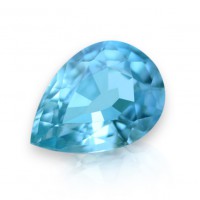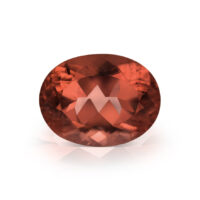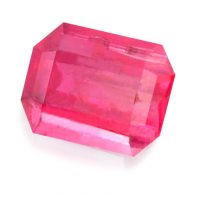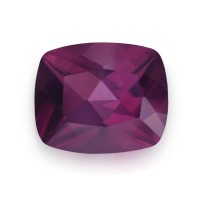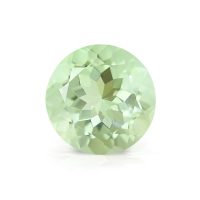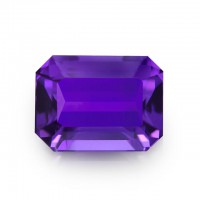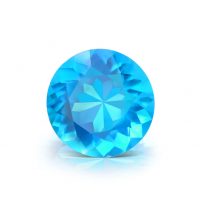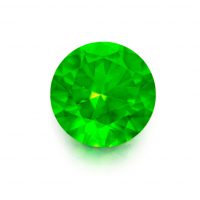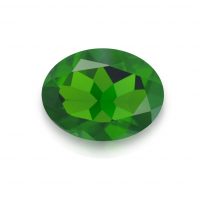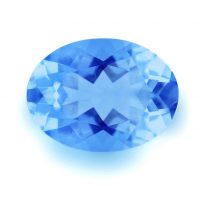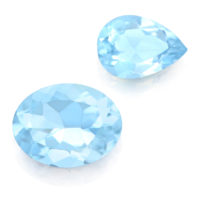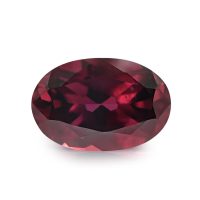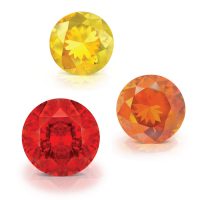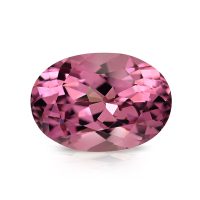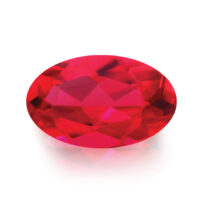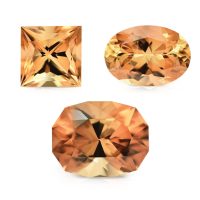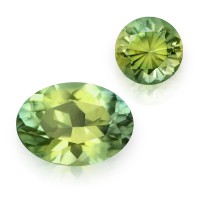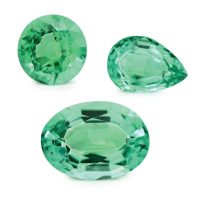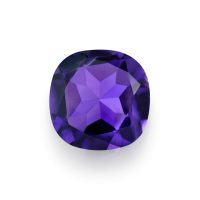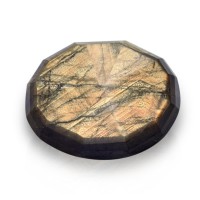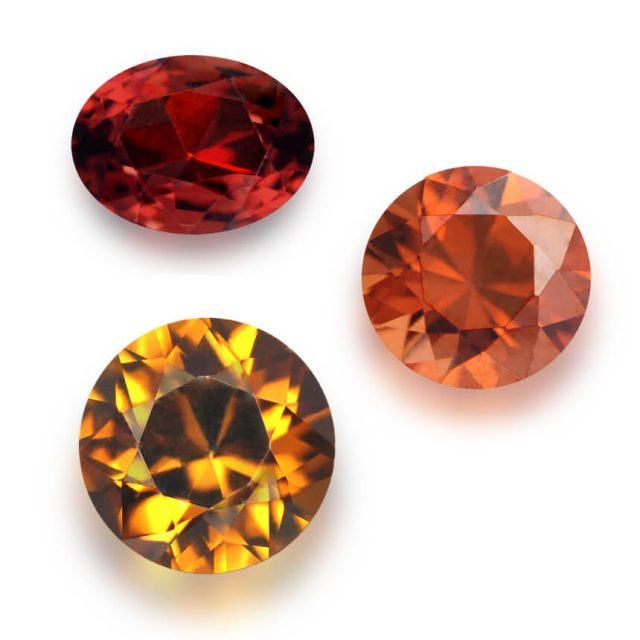
Chance discoveries from a famous Sapphire source, Kings Plains Zircon are extremely rare, all-natural, fine Aussie Zircons, aptly named for their esteemed birthplace. Unearthed at the family-owned ‘Wilson Gems Mine’, Australia’s famed Kings Plains in New South Wales is sadly nearing depletion. Kings Plains Zircon elegantly combines gorgeous autumnal colors with Zircons’ highly-desirable, signature Diamond-like beauty. With only 4 kilograms found in 20 years (1999 – 2019), Kings Plains Zircon’s very limited, and not readily available in jewelry, making it highly-collectable for connoisseurs of gemstones from Down Under!
Hardness 7.5
Refractive Index 1.810 – 2.024
Relative Density 3.93 – 4.73
Enhancement None
Beauty
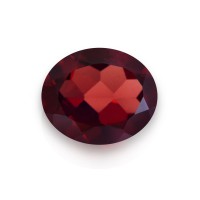
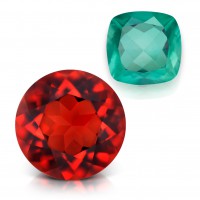
Kings Plains Zircon displays a gorgeous range of oranges, reds and yellows, including, apricots, burgundy tangerines, cognacs, champagnes, crimson cherries, golden ambers, and mandarins, sometimes with beautiful russet tints, in a wide variety of beautiful saturations (strength of color) and tones (lightness or darkness of color). Zircon’s constant shift of attractive secondary colors is accentuated by its high-transparency and signature ‘Diamond-like’ optical beauty:
- Zircon has an excellent, sharp brilliance due to its high refractive index (2.02 vs. 2.42) approaching Diamond, the most brilliant natural gemstone.
- Zircon’s high fire significantly boosts its beauty and value. While all gemstones of a large size exhibit fire, Sphalerite (0.156) is the world’s most dispersive gemstone, followed by Demantoid/Andradite (0.057), Cerussite (0.055), Sphene (0.051), Diamond (0.044), and Zircon (0.039).
- Excellent scintillation, play of light or simply, sparkle.
- Diamond-like (adamantine) luster, the highest non-metallic luster, beautifully reflects a high percentage of surface light.
- Zircon is also strongly doubly refractive, resulting in stunning sparkling mosaic facet patterns and alluring optical depth. Also known as birefringence, this optical phenomenon splits a single ray of light entering a mineral into two rays, each traveling at a different direction/speed.
To maximize its inherent beauty and optical properties, optimal lapidary is always absolutely critical for Zircon. Kings Plains Zircon is expertly faceted in the legendary gemstone country of Thailand (Siam), home to some of the world’s best lapidaries, at the Wilson’s dedicated cutting house in the internationally acclaimed gem town of Chanthaburi. Each crystal was carefully orientated to maximize its colorful brilliance, maintaining an eye-clean clarity (the highest quality clarity grade for colored gemstones, as determined by the world’s leading gemological laboratories), with a superior mirror-like polish accentuating its exceptional adamantine luster, and an attractive overall appearance (outline, profile, proportions, and shape).
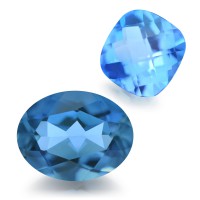
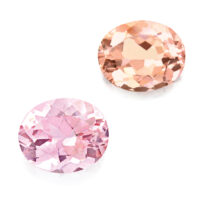
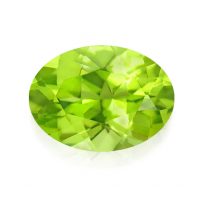
One of December’s birthstones, ‘Zircon’ was coined in 1783 by Abraham Gottlob Werner from the evolution of two etymologies; one is the Arabic ‘zarkun’ (red), another the Persian words ‘zar’ (gold) and ‘gun’ (color). Its name aside, Zircon actually comes in an array of colors, including blue, champagne, cinnamon, coffee, cognac, golden, green, honey, orange, red, saffron, turmeric, white (colorless), and yellow. It also has an assortment of historical and commercial names, which can be confusing. Mentioned by Axel Cronstedt in 1758, Jargon is pale yellow; Jacinth is red and was named by Georgius Agricola in 1555; Hyacinth is yellowish-red (or perhaps even blue), and is from ‘Hyacinte’, named by Barthelemy Faujas de Saint-Fond in 1772; Matara Diamond or Ceylon Diamond is white; Starlite or Siam Zircon is blue; and Ligure, originally named ‘Lyncurion’ by Theophrastus in 300 BC, is apparently generic. Lastly, a gem that may have been today’s Zircon was called ‘Chrysolithos’ by Pliny the Elder in 37 AD. Unfortunately, Zircon is often unfairly confused with the inexpensive synthetic Diamond simulant, cubic zirconia. While their names sound similar, and Zircon is an excellent Diamond alternative, this is where any similarity ends. Widely distributed, mineral Zircon is found in most igneous and metamorphic rocks and is also common in sedimentary deposits, being the most frequent constituent of most sands. Zircon’s hardness, high melting point (over 2500°C), and metals (zirconium and hafnium), see it widely used in a variety of applications. While analyzing Zircon’s composition in 1789, Martin Heinrich Klaproth, a German chemist, discovered zirconium. This metal was then isolated from Zircon in 1824 by Jöns Jacob Berzelius, a Swedish chemist. A gemstone since antiquity, rich in history, legend and lore, Zircon’s been found in some of the world’s oldest archaeological sites, which is no surprise given its durability. A tiny 4.4-billion-year-old fragment of Zircon discovered in Western Australia is the oldest mineral formed on earth. Perhaps it should be said that ‘Zircons are forever’! A popular gemstone for nearly 2,000 years, Zircon appears in several ancient texts, including the Bible and the Hindu poem of the mythical Kapla Tree, which was bejeweled with leaves of Zircon and gifted to a god. Some sources mention a Jewish legend that names the angel Zircon as the guardian appointed to watch over Adam and Eve in the Garden of Eden. Called by its ancient names, Ligure and Jacinth, Zircon gets several mentions in the Bible. Firstly, as one of the ‘stones of fire’ (Ezekiel 28:13-16) that was given to Moses and set in the breastplate of Aaron (Exodus 28:15-30) and secondly, as one of the 12 gemstones set in the foundations of the city walls of Jerusalem (Revelations 21:19). Andreas, the Bishop of Caesurae, who wrote in the late 10th century, was one of the earliest writers to link the apostles with the 12 gems of Jerusalem. He associated Jacinth (Zircon) with the Apostle Simon. According to its mythology, Zircon represents purity and innocence. Like so many other gems whose changes in their colors or luster are said to be indicative of their wearer’s mood, health or fate, Zircon’s loss of luster apparently means danger is looming. As a jewelry gemstone, Zircon has enjoyed several peaks in popularity. In 16th century Europe, Italian jewelers heavily featured Zircon. Later it was also fashionable in Victorian jewelry, but it wasn’t until the ‘roaring 20s’ that Zircon got its first taste of modern popularity.
Rarity
Given its famous deposits in Cambodia, Nigeria, Sri Lanka, and Tanzania, fine antipodean Zircon is exceedingly scarce and virtually unknown outside Australia. While Australia has the world’s largest Zircon mineral reserves (approximately 35 percent with over 320 recorded deposits), and mines more Zircon than any other country, this is ostensibly all industrial, very few crystals are gemstone quality. Typically found alongside Sapphires, Australian Zircons’ main gemmy sources are the alluvial deposits in eastern Australia (New South Wales, Queensland and Tasmania) weathered from basaltic volcanic rocks around 66 million years ago. Several locales in New South Wales (NSW), especially the Sapphire fields of the New England area, including Kings Plains, sporadically unearth beautiful Zircons, but in small amounts. The Northern Territory also occasionally yields limited quantities of attractive Zircons at a handful of locations in the Central Desert Region, including Harts Range, and the Mud Tank field near Alcoota Station, arguably Australia’s best-known fossicking location for gem-quality Zircon.
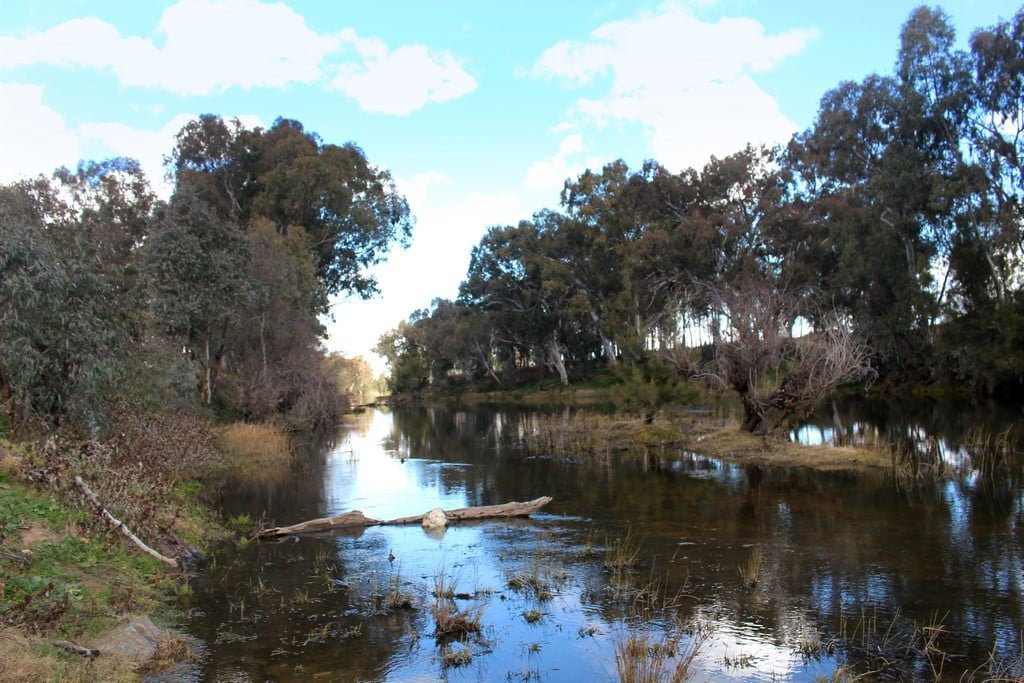
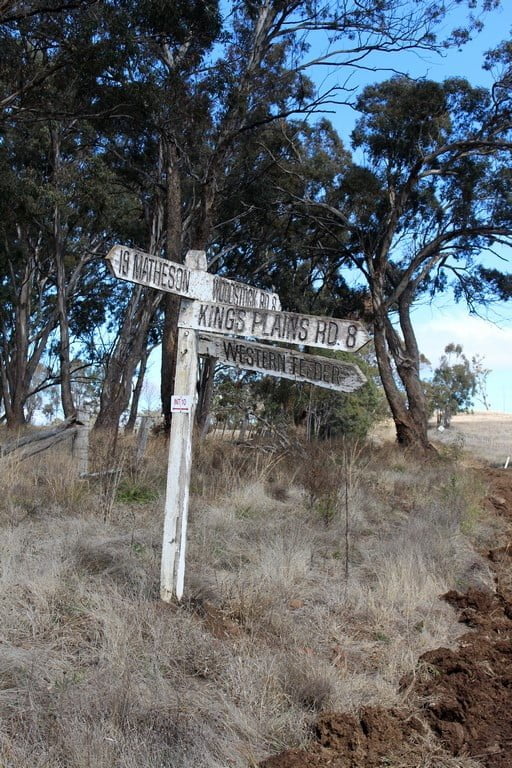
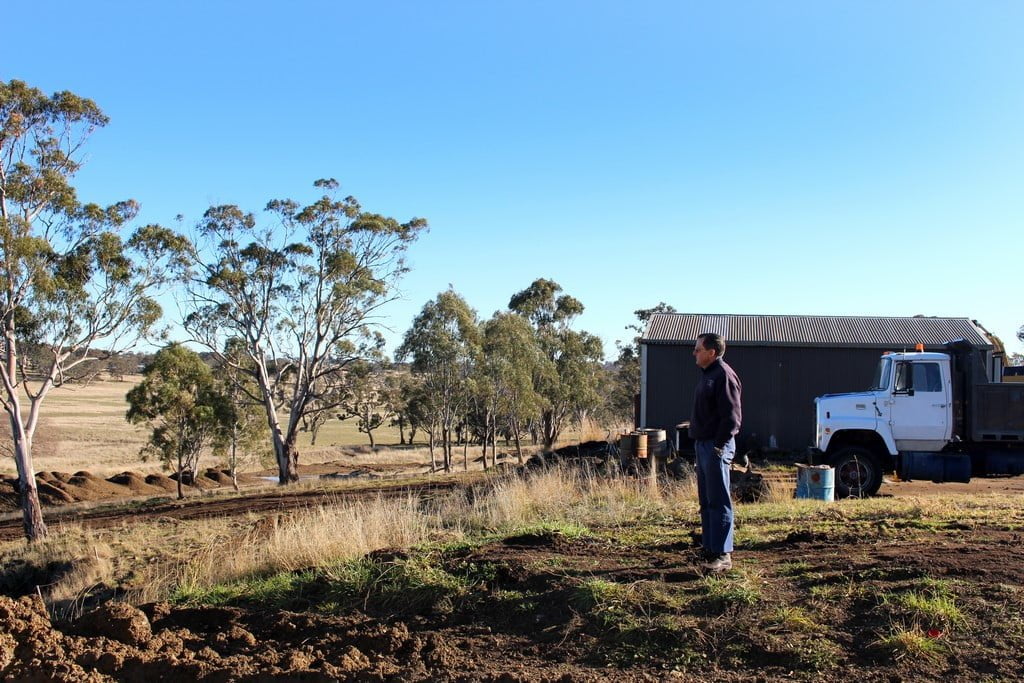
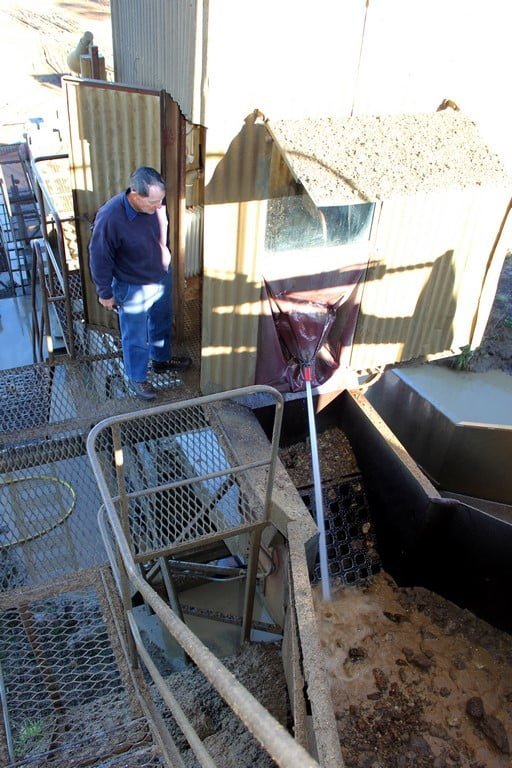
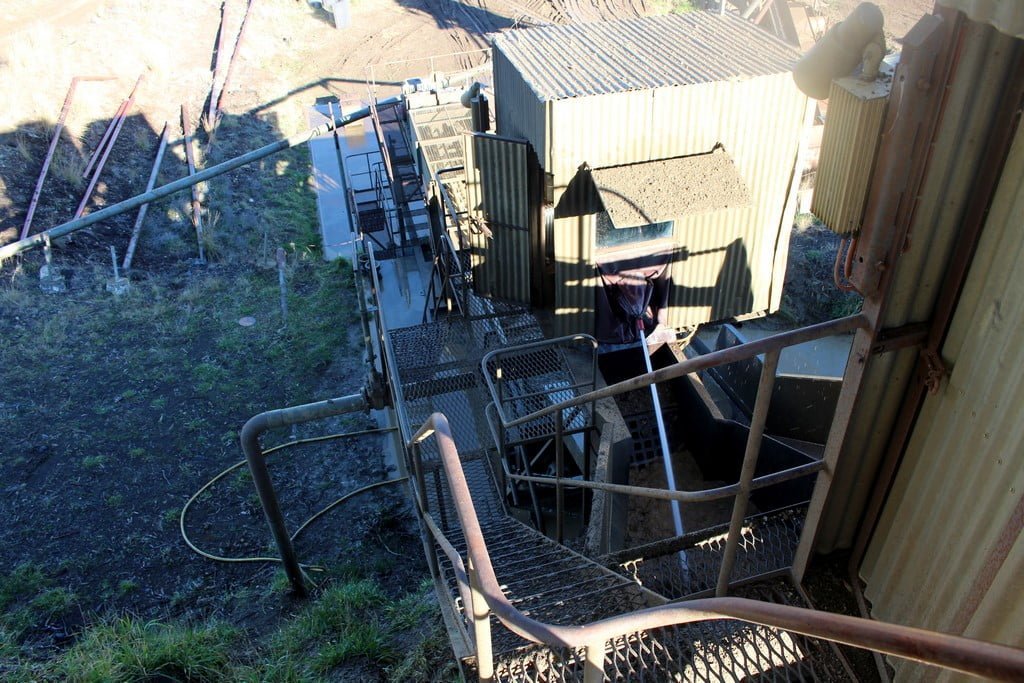
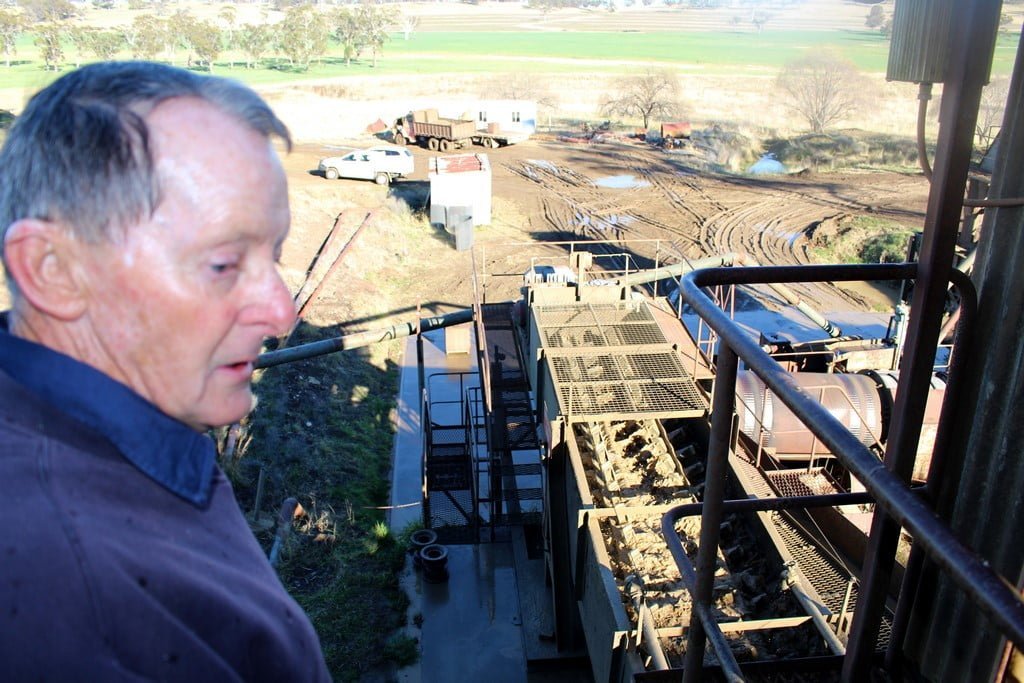
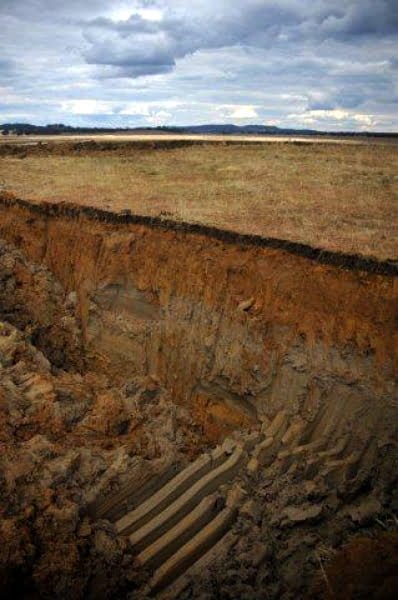
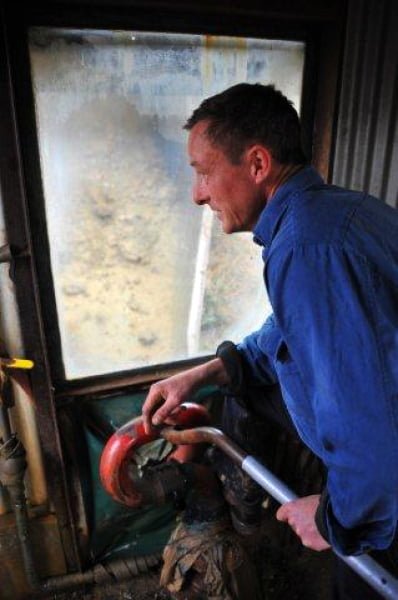
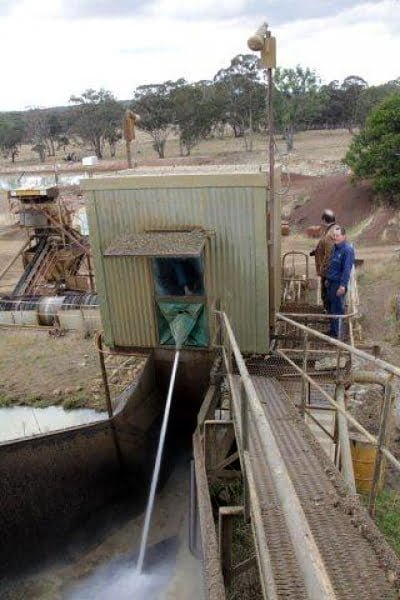
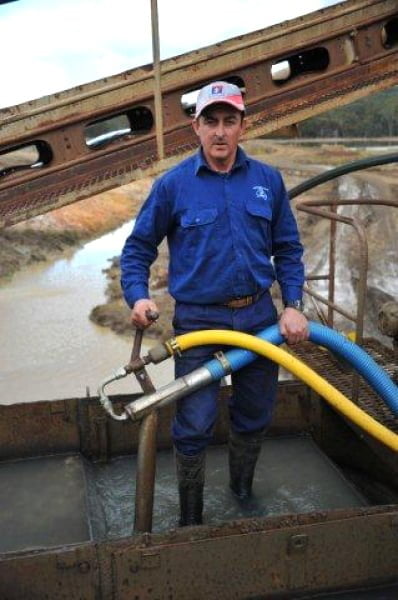
Discovered in 1854, the Kings Plains Gem Fields are an ancient dry riverbed located northeast of the town of Inverell in the Australian state of NSW. Kings Plains Zircon is from the Wilson Gems Mine, a fourth generation mine-to-market, socially responsible, family operation, with exceptional mine level value afforded by vertical-integration. The principal miner, John ‘Jack’ Wilson, has been mining gemstones for well-over 50 years. Chain of custody is extremely important in today’s gem and jewelry market, nothing is lost to unnecessary middlemen, and provenance is assured. With mined land reclaimed into pastures replanted with native vegetation, the Wilson Gems Mine is environmentally friendly. The Australian Department of Mineral Resources has asked every NSW miner to review their excellent rehabilitation processes. As gullies and eroded areas are filled-in, the reclaimed pastures are actually more productive. Kings Plains is now unfortunately nearing the end of its story, with the Wilson’s currently the deposits last remaining commercial mine.
Apart from its renowned royal blue Sapphires, the mine also yields minuscule quantities of fine Zircons. Jack collected Zircon crystals from 1999 to 2019, accumulating only 4 kilograms in 20 years. Representing less than 0.25 percent of total mine production, only 1.5 percent weigh over a carat. Importantly, Kings Plains Zircon is totally natural and unenhanced, accentuating desirability, rarity, and value; which’s significant considering well-over 90 percent of Zircons are heated to improve their color.
Durability & Care
Kings Plains Zircon (Mohs’ Hardness: 7.5) is an excellent jewelry gemstone well-suited to everyday wear. Always store Kings Plains Zircon carefully to avoid scuffs and scratches. Clean with gentle soap and lukewarm water, scrubbing behind the gem with a very soft toothbrush as necessary. After cleaning, pat dry with a soft towel or chamois cloth.
Map Location
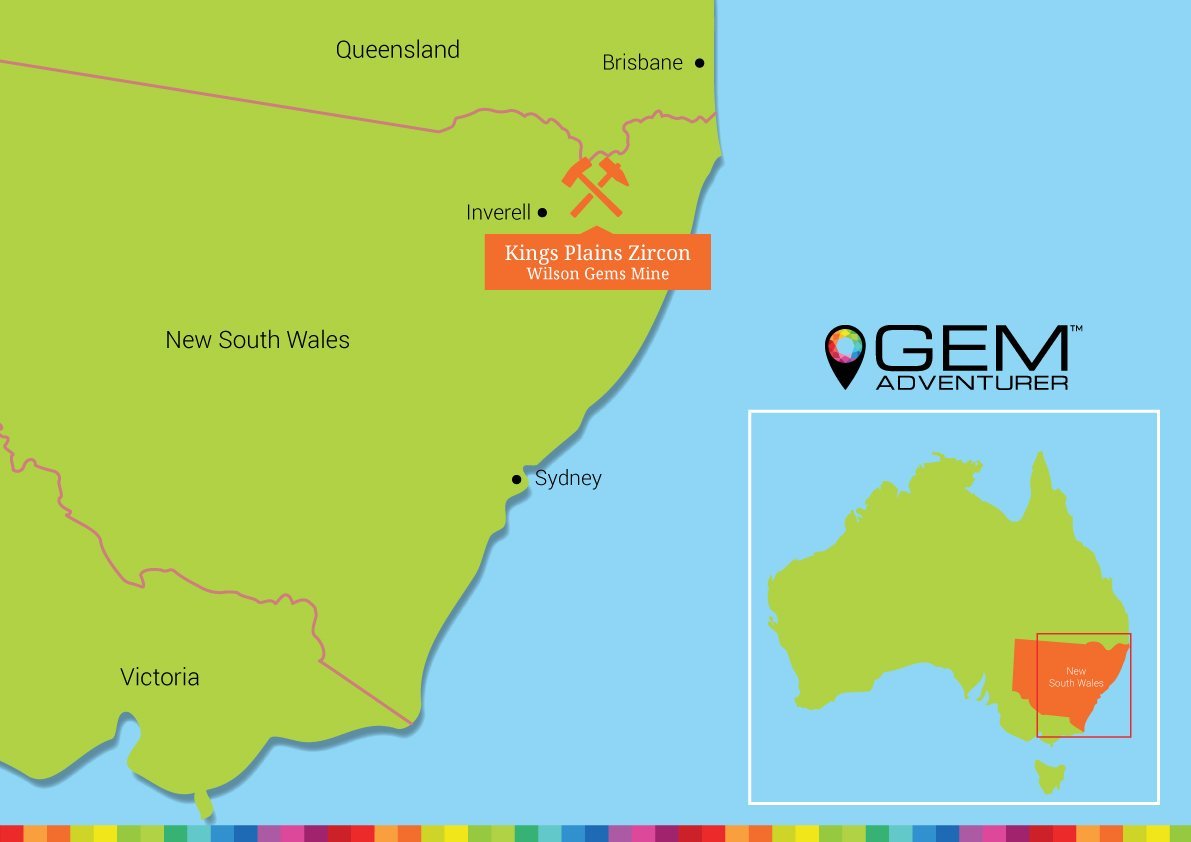
Click map to enlarge
Gem Adventurer™ Mine Visit 2015 & 2025









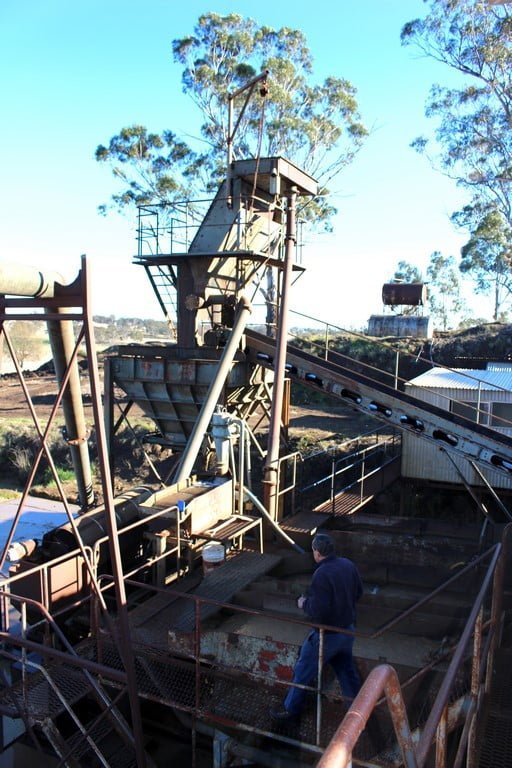


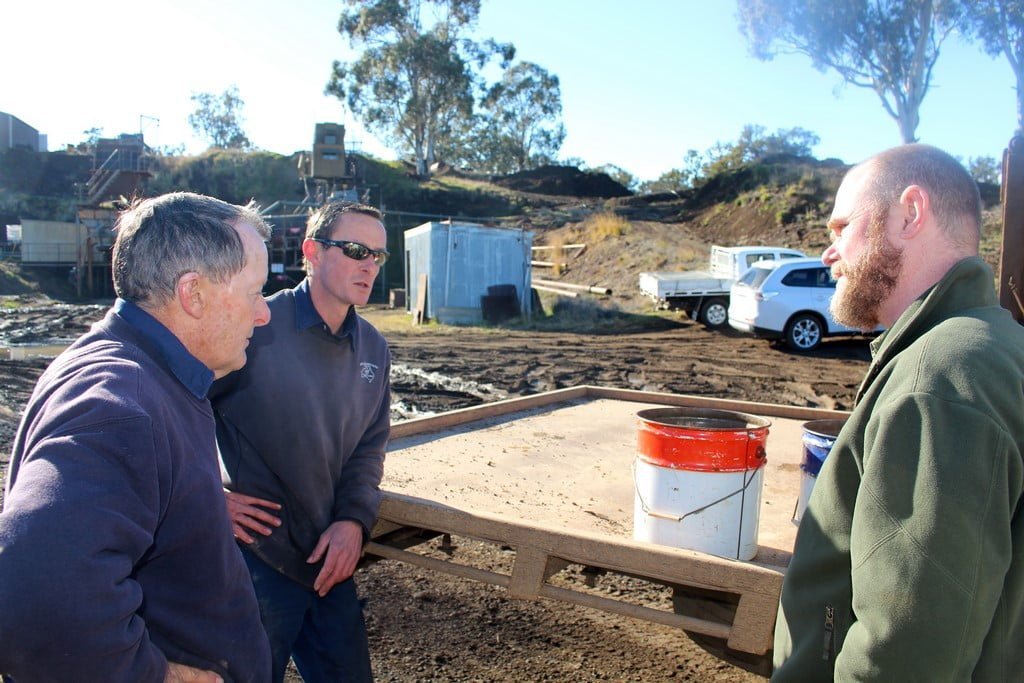


Mine Tour







Lapidary