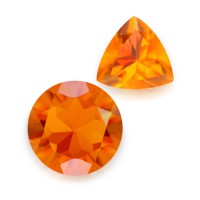
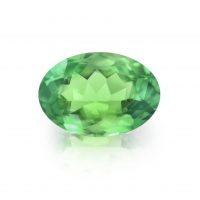
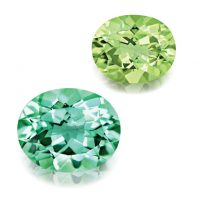
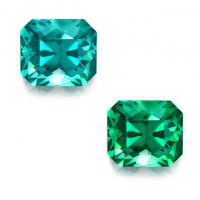
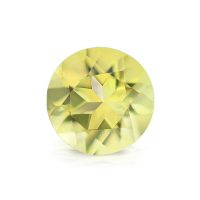
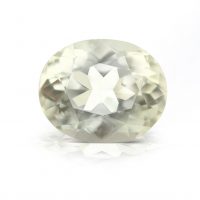
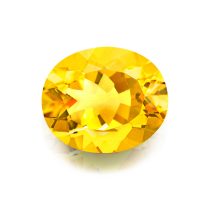
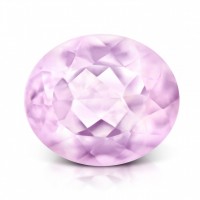
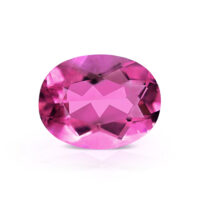
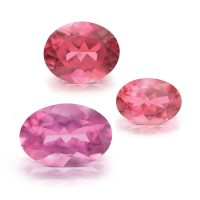
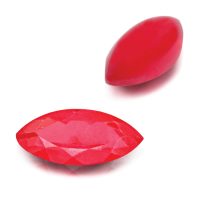
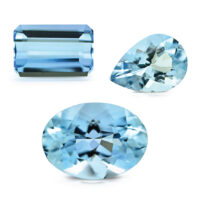
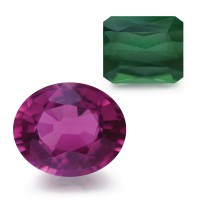
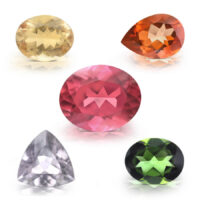
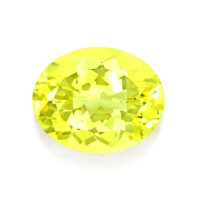
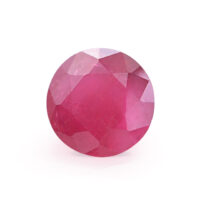
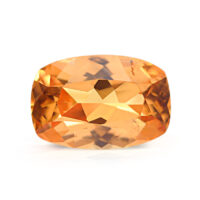
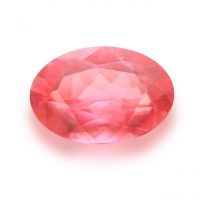
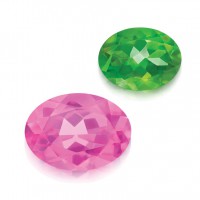
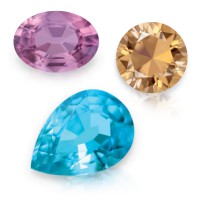
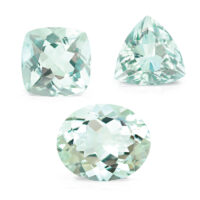
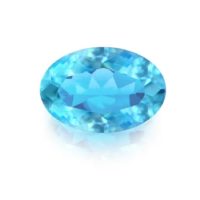
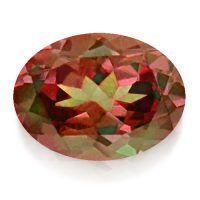
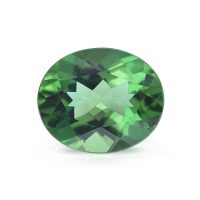
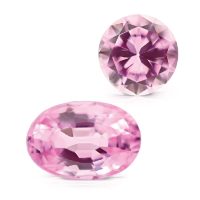
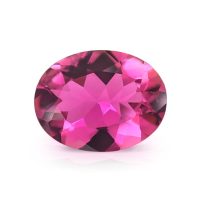
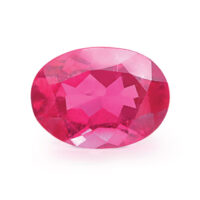
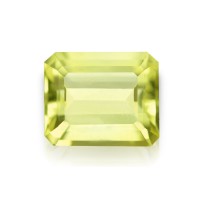
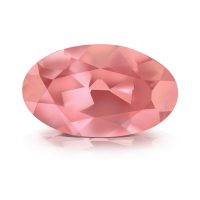
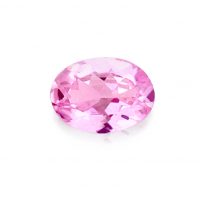
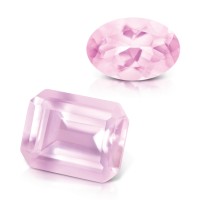
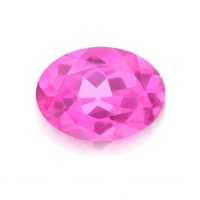
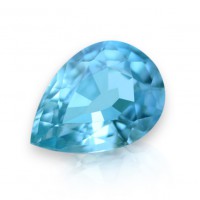
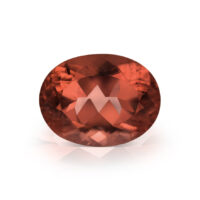
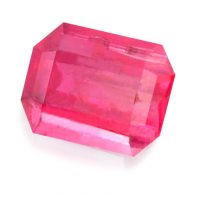
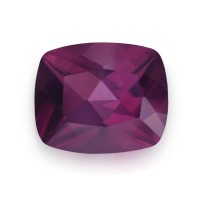
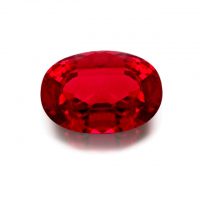
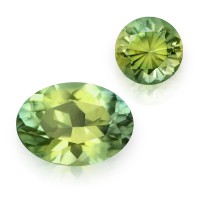
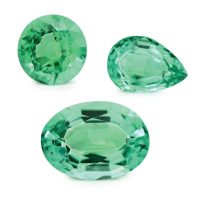
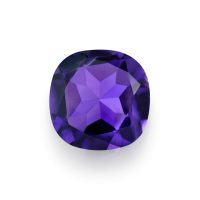
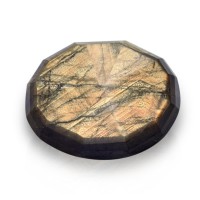
Unearthed by chance near Mwakijembe (M-wapi-gem-bay) village in Tanga, one of Tanzania’s ‘classic’ gemstone regions for which its named, Tanga Garnet is a new, 2024 discovery of Umbalite (Malaia Garnet), coined for the famous Umba River Valley, also in Tanga. A scarce, all-natural, Almandine, Pyrope and Spessartine fusion, Tanga Garnet has beautifully bright fuchsias with an exceptional brilliance, transparency, and everyday jewelry wear-ability. With its 2025 mining indicative of depletion, its unquestionably rare, and despite its beauty, Umbalite always has inadequate supply, keeping this very special Garnet, highly-collectable and undeniably-exclusive.
Hardness 7 – 7.5
Refractive Index 1.760 – 1.765
Relative Density 3.83 – 3.88
Enhancement None
Beauty
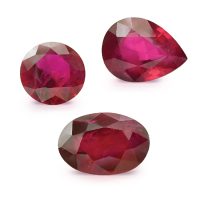
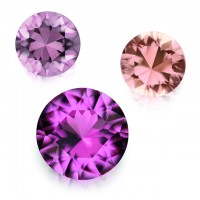
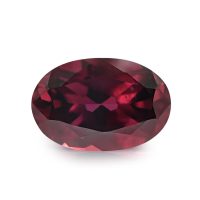
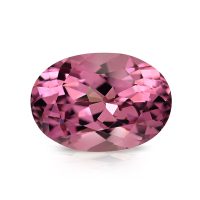
Tanga Garnet displays stunning pinkish-purples with a highly-desirable medium saturation (strength of color) and tone (lightness or darkness of color), the marketplace ideal. Rarity aside, the difference between Tanga Garnet and the related Rhodolite (Almandine & Pyrope) are Spessartine traces, resulting in wonderfully unique colors with excellent brilliance, supercharging beauty.
Possessing a high brilliance and transparency, deft lapidary that accentuates Tanga Garnet’s innate beauty is essential, with ours optimally faceted in the legendary gemstone country of Sri Lanka (Ceylon), home to some of the world’s best lapidaries. Each crystal was carefully orientated to maximize colorful brilliance, maintaining an eye-clean clarity (the highest quality clarity grade for colored gemstones as determined by the world’s leading gemological laboratories), a high/mirror-like polish (accentuating its vitreous ‘glassy’ luster), and an attractive overall appearance (outline, profile, proportions, and shape). Tanga Garnet are often faceted as Ovals and Rounds, but any cut that maximizes brilliance is indicative of fine quality.
January’s birthstone, Garnets’ come in blues, chocolates, greens, oranges, pinks, purples, reds and yellows, and are a group of minerals possessing similar crystal structures, but varying in composition, giving each type different colors and properties. Garnet’s name is derived from the Latin ‘granatus’ (from ‘granum’, which means ‘seed’) due to some Garnets’ resemblance to pomegranate seeds. A rare, cocktail primarily of Pyrope and Spessartine with traces of Almandine, ‘Umbalite’ was named in 1978 (i.e. Umba + lite, from the Greek, ‘lithos’, stone), for its discovery in the Umba River Valley, in the Korogwe Rural District of Tanzania’s Tanga Region, which is geologically in East Africa’s Mozambique Belt (see ‘Rarity’ below). Umbalite is also called Malaia Garnet (‘outcast’ or ‘out of the family’ in Swahili, the main language of Tanzania), as they don’t match the color/gemological properties of other, better-known Garnets. Umbalite was first encountered in the 60s by miners looking for Rhodolite Garnets. Initially overlooked due to its atypical hues, following gemological analysis, Umbalite was determined to be either; a Pyrope dominant, Almandine-Pyrope-Spessartine mix; or a variable Pyrope-Spessartine mix, and is generally regarded as a Pyrope-Spessartine variety. Umbalites attractive saturations/tones, typically range from red and pink, to reddish-pink, purplish-pink, reddish-purple, and purple, also including, orange-pink, reddish-orange, and orangish-red. Used in adornment for over 5,000 years, Garnets were popular in ancient Egypt from around 3100 BC, being used as beads in necklaces, as well as inlaid jewelry (gems set into a surface in a decorative pattern). Garnet’s many myths frequently portray it as a symbol of light, faith, truth, chivalry, loyalty and honesty. In Judaism, a Garnet is said to have illuminated Noah’s Ark, and Garnet (carbuncle) was also one of the gems in the ‘breastplate of judgment’ (Exodus 28:15-30), the impetus for birthstones in Western culture. Crusaders considered Garnet so symbolic of Christ’s sacrifice that they set them into their amour for protection. In Islam, Garnets illuminate the fourth heaven, while for Norsemen, they guide the way to Valhalla. A Grimm’s fairy-tale even tells of an old lady, who upon rescuing an injured bird was rewarded for her kindness with a Garnet that glowed, illuminating the night.
Rarity
Part of East Africa’s Great Rift Valley, one of the greatest gem deposits on earth, East Africa’s Mozambique Belt has yielded some of the world’s finest gemstones, including exceptional Garnets, Sapphires, Tourmalines, and Zircons. Since the 60s, Tanzania’s Tanga Region has been one of the world’s most significant gemstone locales. Containing a variety of metamorphic and igneous rocks, the Tanga Region’s gemstones are mainly mined from primary host-rock, and secondary eluvial deposits (weathered crystals near their host-rock).
Exceedingly scarce, Umbalite mainly borderers northern Tanzania’s Tanga Region and southern Kenya, with much smaller deposits found near Mahenge in the Ulanga District of Tanzania’s Morogoro Region (1993), Sri Lanka (mid-80s), Bekily, Madagascar (late-90s), and Manica, Mozambique (2016). Most recently in Tanga, a local gemstone prospector found bright, purplish-pink Garnet crystals near Mwakijembe (aptly ‘shovel it’ in Swahili), around April 2024. Featuring a wonderful open color, additional miners soon rushed to try their luck. Undoubtedly something special, they were later confirmed to be rare Umbalite.
Far scarcer than Rhodolite, Tanga Garnet possesses a rarity similar to the coveted Spessartine and Tsavorite, which has also been found in this region. Unearthed at Tanga since the 60s, this very rare Garnets mining’s been increasingly irregular/sporadic since its discovery. Tanga Garnet’s color consistency and good sizes are also ideally suited to jewelry, especially when compared to Mahenge Umbalite. Beauty and jewelry suitability aside, Umbalites’ currently extremely limited, and while the deposit’s size is unknown, since January 2025 miners are reportedly unearthing fewer brighter Garnets, instead finding the region’s usual darker hues/Rhodolite compositions, indicative of depletion.
Due to Umbalite’s rarity, Tanga Garnet has quickly become highly prized by gem collectors, with prices highly fluctuating since its discovery; savvy connoisseurs are securing theirs while still available. Increasingly limited, especially in calibrated sizes for jewelry collections, Tanga Garnets are also totally natural and unenhanced, accentuating desirability, rarity, and value.
Durability & Care
Tanga Garnet (Mohs’ Hardness: 7 – 7.5) is an excellent choice for everyday jewelry. Tanga Garnet should always be stored carefully to avoid scuffs and scratches. Clean with gentle soap and lukewarm water, scrubbing behind the gem with a very soft toothbrush as necessary. After cleaning, pat dry with a soft towel or chamois cloth.
Map Location

Click map to enlarge