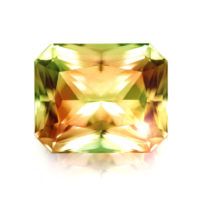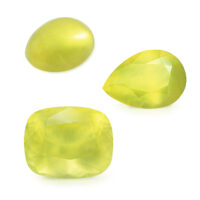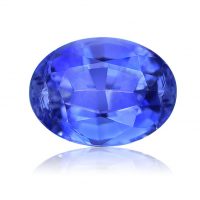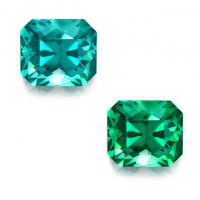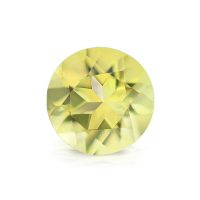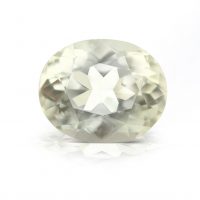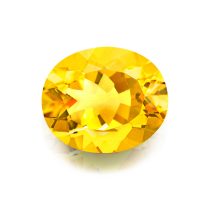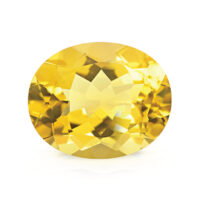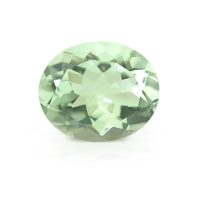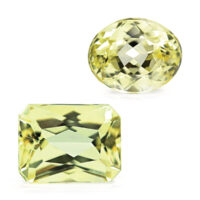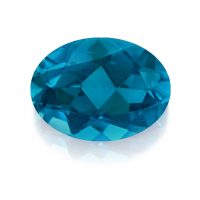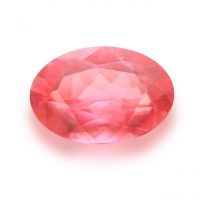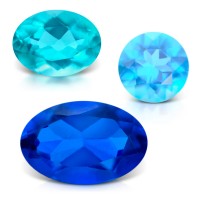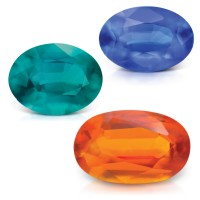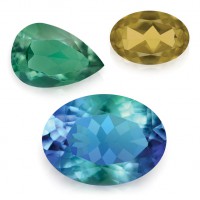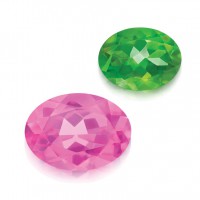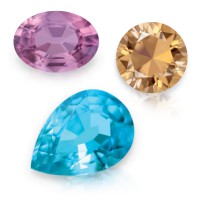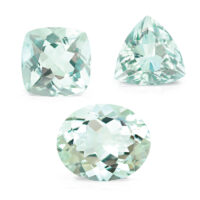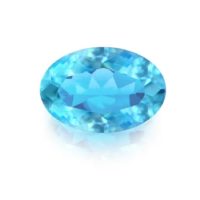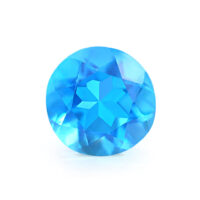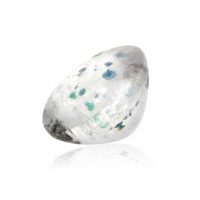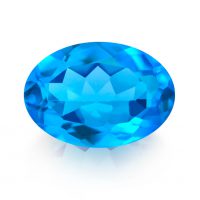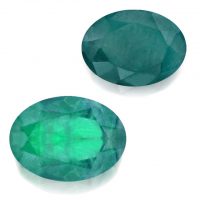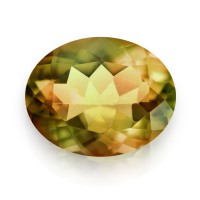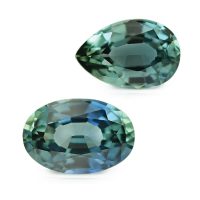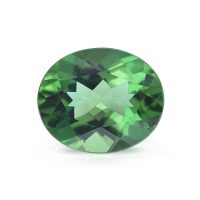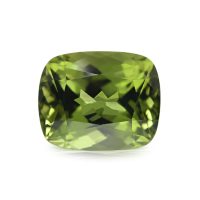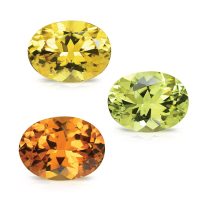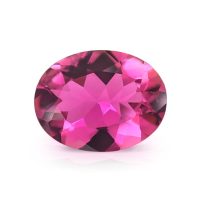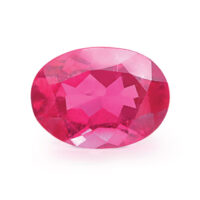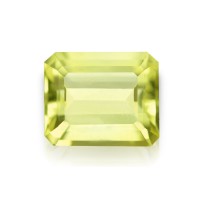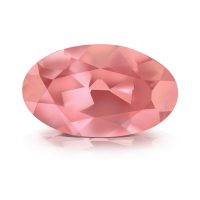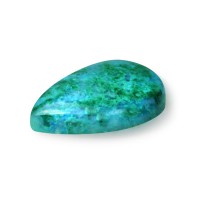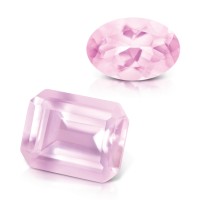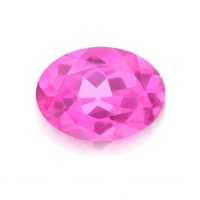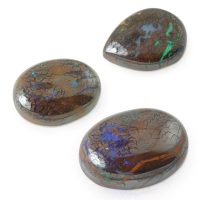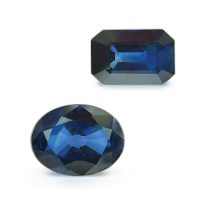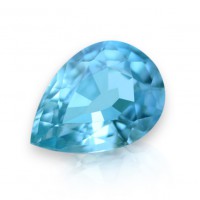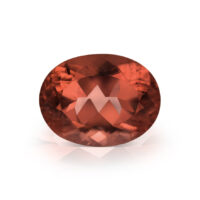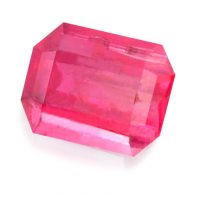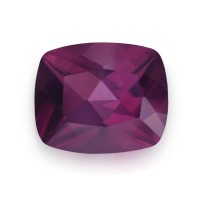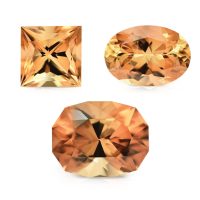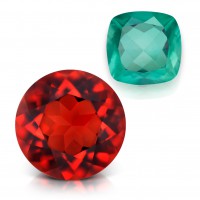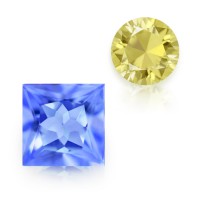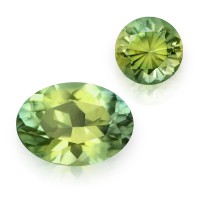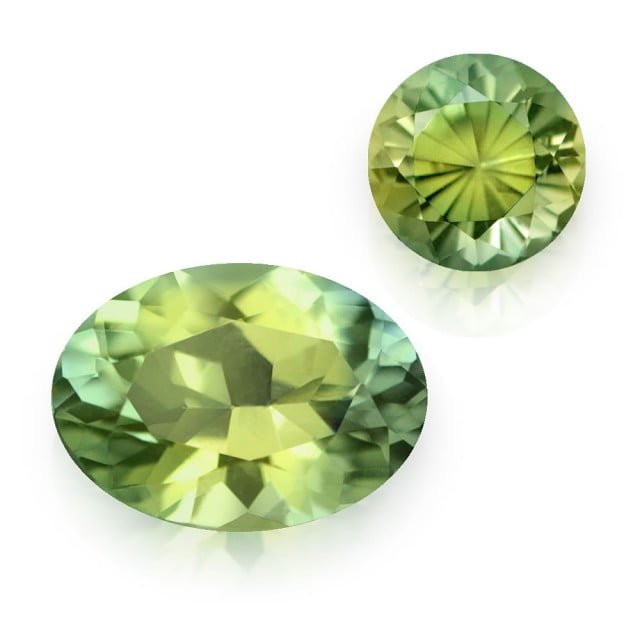
September’s birthstone, Sapphires’ a truly mesmerizing gemstone with a rich history, potent symbolism, and popularity spanning over 2,500 years. Officially proclaimed in 1902, Queensland’s famous Anakie Gem Fields’ exclusively unearth Wattle Sapphires, who’s beautiful colors are named for their gorgeous blend of ‘Aussie Green & Gold’, reminiscent of Australia’s national flower, the Golden Wattle (Acacia Pycnantha). The most attractive and valuable of all Particolored Sapphires, Wattle Sapphire’s stunningly unique, individual character’s immensely popular, but also exceedingly scarce… it’s estimated less than three percent of Australia’s Sapphires are Wattles!
Hardness 9
Refractive Index 1.762 – 1.788
Relative Density 3.95 – 4.03
Enhancement Standard/Traditional Heat
Beauty
Once one of the gem business’s best kept secrets, historically restricted to gemstone professional’s family and friends, Wattle Sapphires are some of the most beautiful gems of the entire Corundum (Ruby & Sapphire) family. Coarse to very coarse banding of blues, greens and yellows results in the uniquely beautiful ‘Particolor’ (Parti-color) or ‘Particolored’ (Parti-colored) Sapphires. Commonly referred to as ‘Parti Sapphire’, they’re aptly named for their ‘party’ of colors. Now more widely known, color banding is relatively common in Queensland Sapphires, and more prevalent/better developed than in Sapphires from other deposits. For example, Bicolors/Particolors are found in Kenya and Sri Lanka, but not in the quality, or quantities, of Queensland. When ‘Parti Sapphire’ bands are wide enough to give a clear color separation, such as the stunning ‘Green & Gold’ of Wattle Sapphires, the effect is uniquely beautiful, but dependent on the gem being correctly orientated during lapidary, as well as size. Also known as Mimosa, the Golden Wattle was officially proclaimed as Australia’s national floral emblem on 1st September, 1988.
Optimal lapidary is always absolutely critical for Sapphire, minimizing the aesthetic impact of color unevenness due to zoning (location of color in the crystal versus how the gem is faceted), or excessive windowing (areas of washed-out color in a table-up gem, often due to a shallow pavilion), both important value considerations.
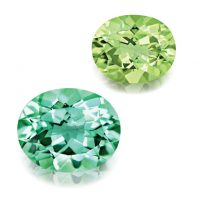
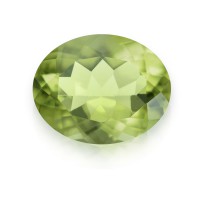
Coined for Australia’s national floral emblem’s golden blossom and green foliage, Wattle Sapphire displays signature, and defining, green and yellow Particolours with a highly-desirable medium to medium-light saturation (strength of color) and tone (lightness or darkness of color), the marketplace ideal. Optimally-faceted by experienced, socially responsible, dedicated specialist Sapphire lapidaries in Guangzhou (China), each crystal was carefully orientated to maximize its colorful brilliance/signature ‘Wattle Particolors’, maintaining an eye-clean clarity (the highest quality clarity grade for colored gemstones, as determined by the world’s leading gemological laboratories), with a superior mirror-like polish accentuating its attractive vitreous (glassy) luster, and an attractive overall appearance (outline, profile, proportions, and shape).
Ruby & Sapphire are color varieties of the mineral Corundum (crystalline aluminum oxide), named from the Sanskrit for Rubies and Sapphires, ‘kuruvinda’. Other colored (Allochromatic) gems, trace elements such as chromium, iron and titanium, as well as color centers, are responsible for Corundum’s rainbow of colors. While ‘Sapphire’ alone typically refers to its blues, its other hues are collectively described as ‘Fancy Sapphires’, with prefixes used to denote specific colors, e.g. Padparadscha. Red Corundum is Ruby, but there’s also Pink Sapphire… While Pink Corundum is historically considered to be ‘Ruby’ in Asia, due to the immense popularity Pink Sapphire has garnered, this term is now recognized globally. Red and pink are technically the same color, only varying in saturation and tone. Because Rubies are worth more than Pink Sapphires, arguments over where pink stops and red begins were once common. To resolve these disputes, in 1989 the International Colored Gemstone Association (ICA) sensibly stated: “Pink is really just light red. The ICA has passed a resolution that the light shades of the red hue should be included in the Ruby category since it was too difficult to legislate where red ended and pink began. In practice, pink shades are now known either as Pink Ruby or Pink Sapphire.” Sapphires name is derived from the Latin, ‘sapphirus’, from the Greek ‘sappheiros’, meaning blue stone. Believed by some etymologists to originate from either the Hebrew ‘sappir’ (precious stone) or the Sanskrit ‘sanipriya’. Used to describe a dark precious stone, ‘sanipriya’ means ‘sacred to Saturn’, with Sapphire regarded as the gem of Saturn in Indian astrological beliefs. Historically, ‘sappheiros’ usually referred to Lapis Lazuli rather than Blue Corundum, with the modern Sapphire probably called ‘hyakinthos’ in ancient Greece, but colored gems were often grouped together in antiquity. Believe it or not, Sri Lankan Sapphires were reportedly used by the Greeks and Romans from around 480 BC, which provides evidence of the ancient trade routes used by our ancestors. Like all famous gemstones, Sapphire features in mythological and religious stories. Whether these really referred to what we know as Lapis Lazuli or blue gems collectively during antiquity is uncertain. According to Greek mythology, the first person to wear September’s birthstone was Prometheus. While Persians believed Sapphire’s reflections gave the sky its colors, Sapphire is mentioned in the bible: Exodus (24:10), the throne of God is paved with Blue Sapphire of a heavenly clarity, it is also one of the 12 ‘stones of fire’ (Ezekiel 28:13-16) set in the breastplate of judgement (Exodus 28:15-30). As one of the 12 gemstones set in the foundations of the city walls of Jerusalem (Revelations 21:19), Sapphire is also associated with the Apostle St. Paul. Sapphires have long symbolized faithfulness, innocence, sincerity and truth, so it’s not surprising that for hundreds of years they were popular engagement ring gemstones. Apart from being one of the world’s favorite hues, blues are also psychologically linked to calmness, loyalty and sympathy. While Sapphire’s popularity as an engagement gemstone has been somewhat upstaged by Diamonds since the 50s, they’re making a comeback. For example, in 1981 Prince Charles gave Lady Diana an engagement ring set with a stunning 18 carat Ceylon Sapphire, and more recently (2011) Prince William tied the knot with Kate Middleton using the same engagement ring.
Rarity
Embodying a gemstones’ quintessential ideals; breathtaking beauty, genuine rarity, and everyday durability; Sapphires are one of the world’s most coveted, enduring, and valuable gems. Sapphires are also one of the ‘Cardinal’ Four’ gemstones, along with Diamond, Emerald, and Ruby. Sapphire’s classic source, Ceylon (renamed Sri Lanka in 1972) holds the earliest record for Sapphire mining. While Sapphires traditionally hail from Sri Lanka and Myanmar (Burma, specifically Mogok), other sources include, Australia, Cambodia (Pailin), China, Ethiopia, France, Greenland, India (Kashmir), Kenya, Laos, Madagascar, Malawi, Nigeria, Pakistan, Tanzania, Thailand, USA (Montana), and Vietnam. Mined from both primary and secondary deposits, Sapphires form in two rock types:
- Crystallizing deep within the Earth’s crust, brought to the surface in Igneous Rocks (basalts, lamprophyre, monzonite, or similar), commonly called ‘Basaltic Sapphires’; Origins: Australia, Cambodia, China, Ethiopia, France (Auvergne), Kenya, Laos, Madagascar, Nigeria, Tanzania, Thailand, USA (Montana, primary host rock), and Vietnam; Age: 66 million years or less.
- Metamorphic Rocks (aluminous shales, gneisses, marbles, or similar); Origins: France (some), Greenland, Kashmir (India & Pakistan), Madagascar, Malawi, Myanmar, Sri Lanka, Tanzania, and the USA (Montana, secondary alluvial); Age: 450 – 750 million years, occasionally up to 3 billion years.
Few people realize that Australia is actually one of the world’s major Sapphire sources. During the late 80s, Australia was the leading Sapphire miner, supplying 70 percent of the world market. While times have changed, recent mining at the Anakie Gem Fields in Queensland’s remote Central Highlands Region, has revitalized global interest and availability of beautiful Queensland Sapphires, wonderfully regaining this historic Antipodean gem’s former glory. Australian Sapphires’ main sources are the New England (Kings Plains) Gem Fields in northern New South Wales (NSW), and the Anakie Gem Fields in Queensland, with small, secondary deposits in Tasmania.
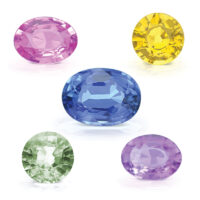
Most gem-quality Australian Sapphires, approximately 90 – 95 percent by weight, occurs in various shades of blue, with the majority rich royal to midnight. The Anakie fields unearth darker Blue Sapphires, and purer greens and yellows than the NSW deposits due to Anakie Sapphires’ crystallizing in a more iron-rich environment. Ranging from pastel through to midnight, most Queensland Sapphires are blue, with the second most prevalent colors teals (blue green, bluish-green, or greenish-blue), followed by greens, goldens, and yellows. Occasionally color change (Alexandrite-like and greenish yellow to orangey pink), mauve, orange, pink, purple, and star (black or bronze very similar to those from Bang Kha Cha in Thailand’s Chanthaburi Province, as well as blue, blue-gray, gold, and green) Sapphires are found, but they are extremely rare. While Blue, Golden, Green, Parti, Teal, Wattle and Yellow are usually available calibrated for jewelry collections, Orange, Pink and Purple are only occasionally available free-size. Most Queensland Sapphire crystals range from a grain of sand to the size of a pea, typically yielding small accent to two carat gemstones, larger gems are rarely found. The increasing rarity of Sapphires from the Anakie Gem Fields aside, Wattle Sapphires are estimated by leading Australian Sapphire professionals to only represent less than 3 percent of all Australian Sapphires. Exceedingly scarce, very few Wattle Sapphires make it to the retail jewelry marketplace.
Starting with the chance discovery of Sapphires by Queensland gold miners in 1851, from 1873 – 1875, Archibald John Richardson, a State Government Surveyor, found Sapphire near Anakie approximately 50 kilometers to the west of the town of Emerald, eventually becoming a partner in a Sapphire mining company. According to local folklore, ‘Emerald’ was named because Green Sapphires found near the town were originally thought to be Emeralds. While the Anakie area was officially proclaimed a gem field in 1902, sporadic mining started in the 1890s with most Sapphires sold to Tsarist Russia via German buyers. Mining consisted of sinking shafts or digging shallow pits, then washing the rough with sieves. By 1913 two tons of Sapphire had been extracted, with the small towns of Rubyvale and Sapphire appearing to service miners. The advent of World War I, the collapse of Imperial Russia, and the elimination of German buyers brought mining to a virtual standstill. Despite a short boom at the end of the war, following the Great Depression, interest in Anakie Sapphires waned from 1930 – 1960, partly due to harsh conditions at the fields, with high temperatures and little water resulting in limited mining. For example, only USD100 of Sapphires were mined in 1957!
In the 60s, the burgeoning demand for rough Sapphire throughout Asia saw mining at Anakie resume and by 1969, the Anakie fields were being mined via large-scale, fully mechanized operations. The towns of Anakie, Emerald, Rubyvale, Sapphire, Tomahawk, and Willows in central Queensland quickly became global Sapphire havens. Since the 80s there has been a steady decline in output, mainly due to the depletion of commercially viable areas and mounting operational costs. Many artisanal surface mines as well as small, semi-mechanized underground operations now run alongside the large, heavily mechanized workings. The Willows Fossicking Area is 11 kilometers off the Capricorn Highway. The turn is 24 kilometers pass the Anakie/Sapphire crossroads and about a 45-minute drive west of Emerald. The Willows is a popular fossicking spot as very little machinery and no corporate mining have been permitted in the past. The ‘Willows’ in particular is known for yielding unique fancy-colored Sapphires. Some of the world’s most famous Sapphires have been found at the Willows, including a 332 carat Yellow Sapphire crystal, appropriately named the ‘Golden Willow’. Great Northern Mining worked the Subera area near Anakie in the 90s, with gems being sent to Sri Lanka for heating and cutting, but suspended operations in October 1995, reportedly due to poor yields. The field was then leased by Richland Resources, a company listed on the London stock exchange and the owners of Tanzanite One (C Block), with them commencing operations at the Capricorn Sapphire mine in April, 2015. In June, 2016 Richland Resources updated their resource estimate for the mine.
Founded in 2017, FURA Gems is a leading global gemstone mine-to-market company mining the big-three (Emerald, Ruby and Sapphire), through subsidiaries in Australia, Colombia, and Mozambique. FURA employs environmentally and socially responsible mining practices, a clear and scientific grading mechanism, guarantee of provenance, and complete traceability. In 2020, FURA purchased Capricorn Sapphire and Great Northern Mining. The 73 Sapphire mining licenses of Great Northern Mining are a continuous block of 15 square kilometers and share a boundary in the east with Capricorn Sapphire’s 3 mining licenses (5 square kilometers), allowing FURA to scale up the combined mining operations. According to FURA, these open-pit mines have a minimum 15-year duration, and their ongoing evaluation indicates the existence of additional resources. Since 2021, FURA is actively marketing Queensland Sapphires with an intent to regain their former position on the global platform, rebuild the market, boosting the interests of Queensland, and its people. Some of FURA’s community activities include, aiding artisanal miners, community newsletter, encouraging art/sports, fossicking activities, healthcare, lapidary training, meals on wheels, and upgrading technological infrastructure.
Our Wattle Sapphires are socially responsible, ethically and environmentally mined and cut, with exceptional mine-level value afforded by vertical-integration. Sourced mine-to-market from vaulted historic mechanized family-owned mining and FURA Gems, these exceptional Wattle Sapphires were curated by legendary Australian gemologist and leading Aussie Sapphire expert, Terry Coldham BA (Geology); Fellow of the Gemological Association of Australia; Fellow of the Gemological Association of Great Britain; Former Australian Ambassador & Director of the International Colored Gemstone Association; and Former Federal President of the Gemological Association of Australia. Chain of custody is extremely important in today’s gem and jewelry industry, nothing is lost to unnecessary middlemen, and provenance is assured.
Long weathered from their 66-million-year-old, volcanic basalt host rock, Queensland Sapphires are mined from an ancient alluvial deposit (gem gravels transported/settled by creeks/rivers/streams). Predominately located on private farmland leases, the Anakie Gem Fields are mainly worked commercially using reclaimable open pit mining, with the very limited underground mining, environmentally noninvasive and heavily regulated by the Australian Department of Mineral Resources. Environmentally-Friendly, clean mining practices include: community engagement, energy efficiency, environmental monitoring, land rehabilitation, low-impact mining, transparent reporting, waste reduction/recycling, and water management). Artisanal hand mining and/or fossicking involves digging from old creek beds, now underground, and sieving it to separate out the sand and oversized rocks. It’s then washed before the Sapphires can be hand sorted from the other heavy gravels. With open-pit mining, once the gems are removed, the soil is returned, with mined farmland reclaimed into pastures replanted with native vegetation. As gullies and eroded areas are filled-in, the reclaimed lands actually more productive.
Well-over 90 percent of Sapphires are permanently heated to alter their color and/or improve color uniformity and/or appearance. Wattle Sapphires are enhanced using ‘Standard/Traditional Heat’ (usually 1375°C, but 1200°C – 1700°C, 1 – 36 hours, carefully repeating to complete), which is permanent, stable, and the universally accepted marketplace standard.
Heating Sapphires to improve clarity or develop color has been used in some form for hundreds, if not thousands of years. Likely practiced in the sub-continent over 4,000 years ago, heating is one of the earliest known gemstone enhancements. Early references to the heating of gemstones include, Pliny the Elder in his ‘Naturalis Historia’ (c. 77 AD), and two Egyptian papyri dating to the 3rd or 4th century AD. The scientist Abu Rayhan al-Biruni not only developed the specific gravity scale, using it to identify many gemstones, but in his book, ‘The Book Most Compressive in Knowledge on Precious Stones’ (c. 1048 AD) he describes in detail the 1100°C heating of Corundum to remove dark colored areas. Interestingly, this is basically the same as today’s modern ‘low’ temperature enhancement, referred to as ‘Standard Heat’ or ‘Traditional Heat’.
While almost all Sapphires are heated, this is not always a simple ‘traditional’ process that originates in antiquity, with new techniques continuously being developed (e.g. heating with pressure, c. 2009). Often a sophisticated process that has taken experienced specialists’ decades to perfect, high temperature heating can significantly change a Sapphire’s original appearance (and value). For example, modern electric and gas furnaces can heat Sapphires to 1800°C (close to their melting point) for up to seven days, sometimes with this being repeated numerous times. These high temperatures allow the incorporation of additives, such as glass (filling cavities and cracks) and coloring agents (e.g. beryllium bulk diffusion to dramatically alter color). As these enhancements radically change the color and clarity of arguably inferior gemstones, Sapphires that have been heated with additives should be disclosed, and not simply described as ‘heated’.
Durability & Care
The world’s second hardest gemstone, Sapphire is an excellent choice for everyday jewelry (Mohs’ Hardness: 9). Wattle Sapphire should always be stored carefully to avoid scuffs and scratches. Clean with gentle soap and lukewarm water, scrubbing behind the gem with a very soft toothbrush as necessary. After cleaning, pat dry with a soft towel or chamois cloth.
Map Location

Click map to enlarge