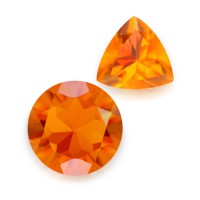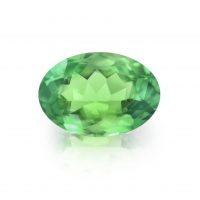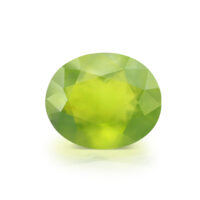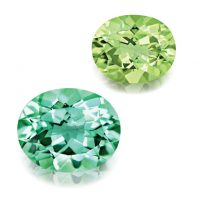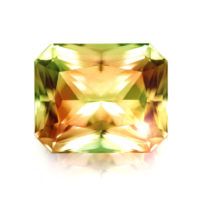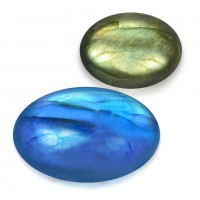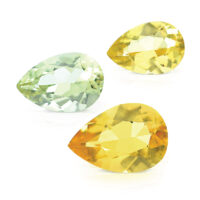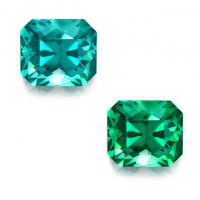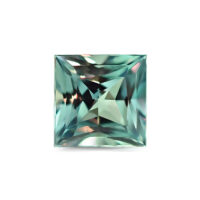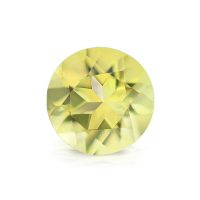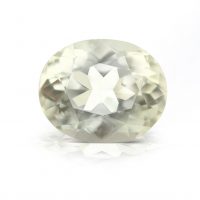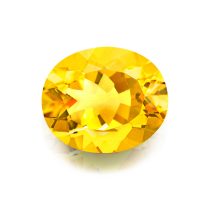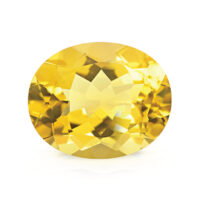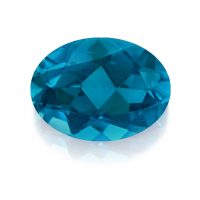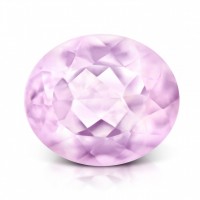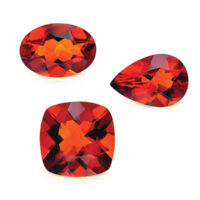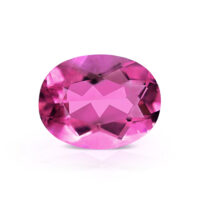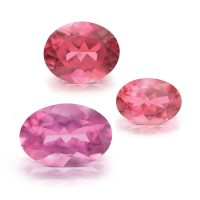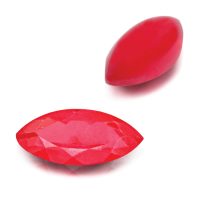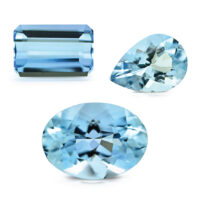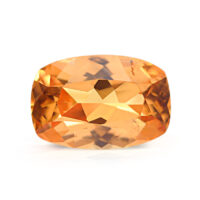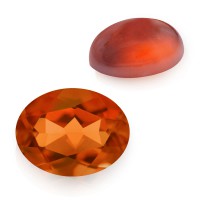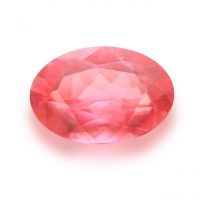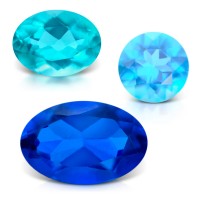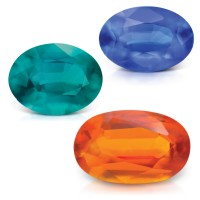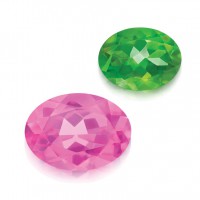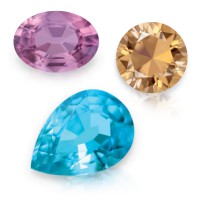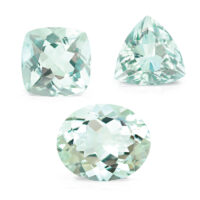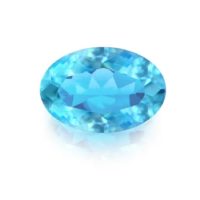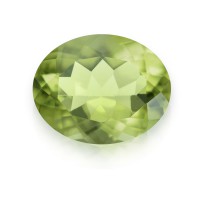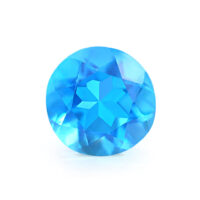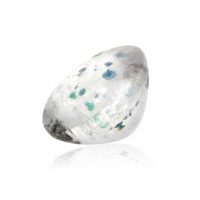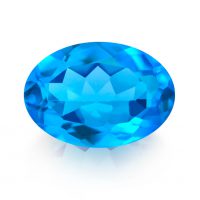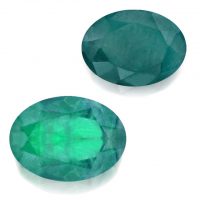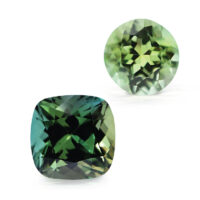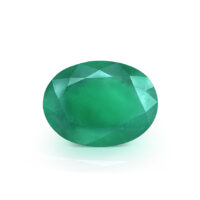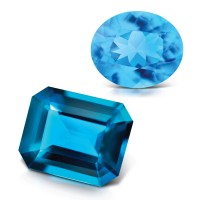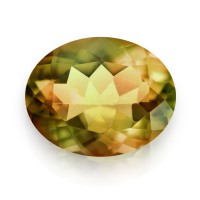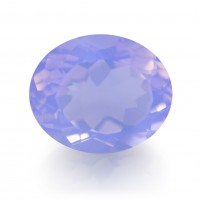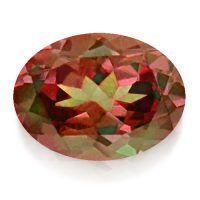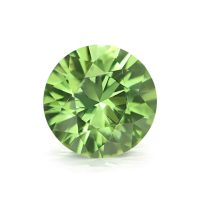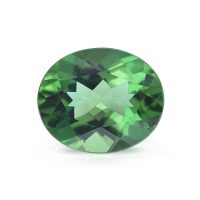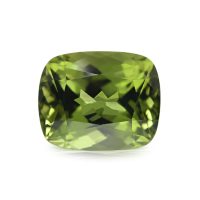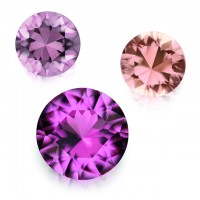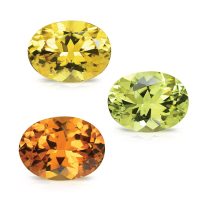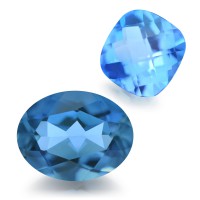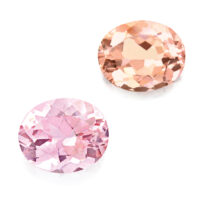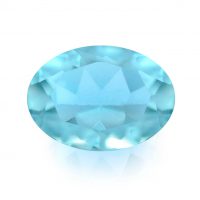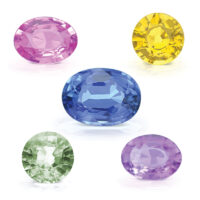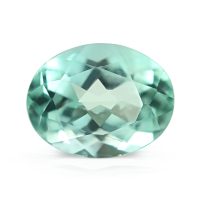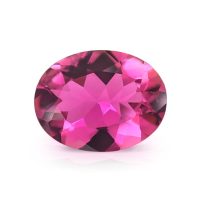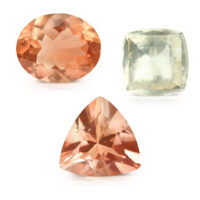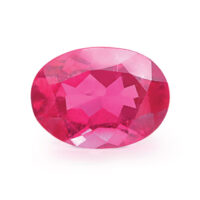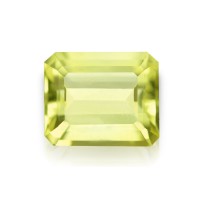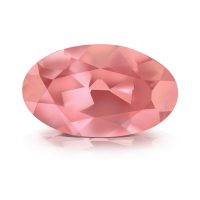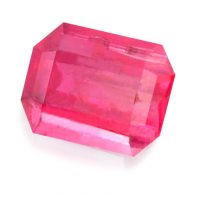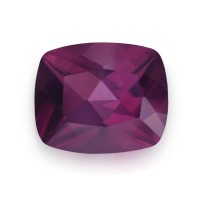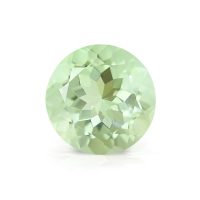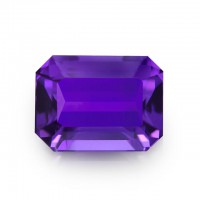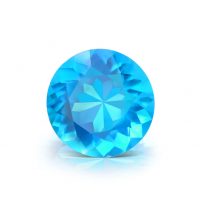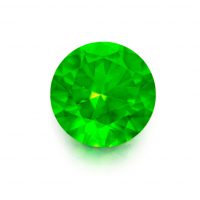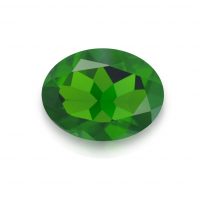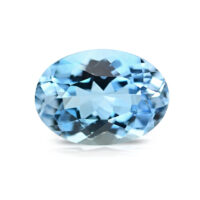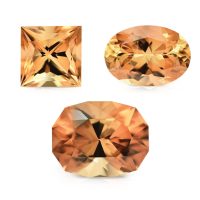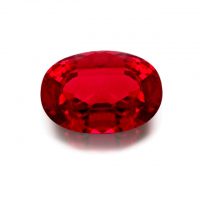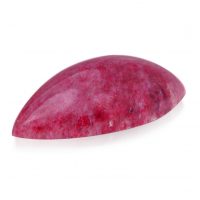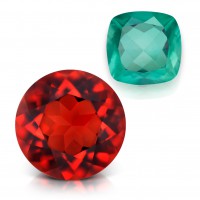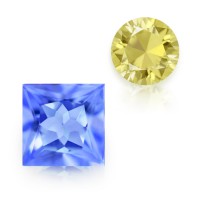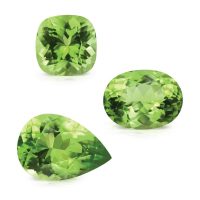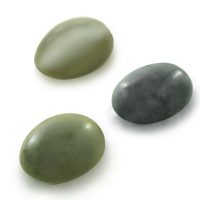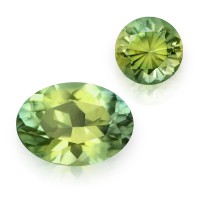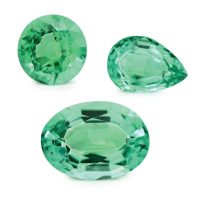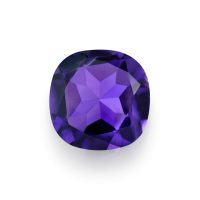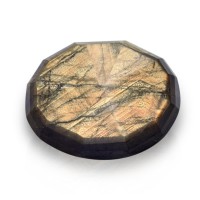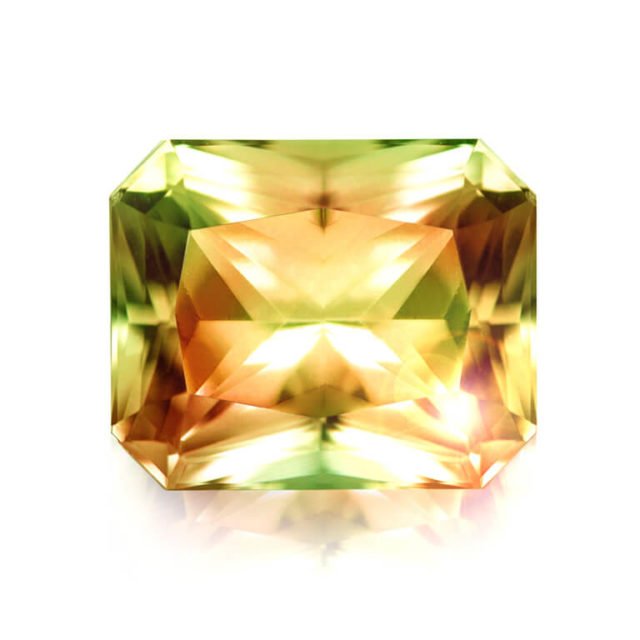
Prior to the formation of its modern republic, Türkiye was ruled by the Ottoman Empire (1299 – 1922). Aptly known as the “Ottoman Gem,” Anatolite is the rare color-changing variety of Diaspore, exclusively from Anatolia, Türkiye. Named for its locale, Anatolite offers sole-source rarity, breathtaking colors in different lighting, and everyday wearability. A celebrity favorite on the red carpet, in leading designer collections, and featured in fashion magazines, its reactions are inspiring. Beautiful, scarce, and phenomenal, Anatolite’s beguiling palette and exotic pedigree make this “Turkish Delight” perfect for jewelry connoisseurs.
Hardness 6.5 – 7
Refractive Index 1.682 – 1.752
Relative Density 3.30 – 3.39
Enhancement None
Beauty
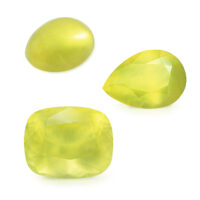
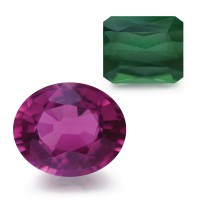
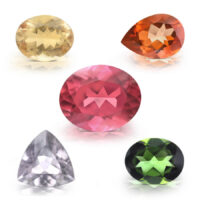
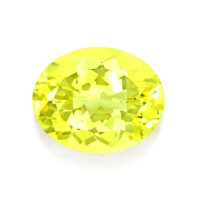
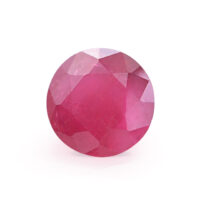
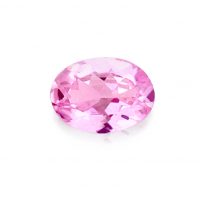
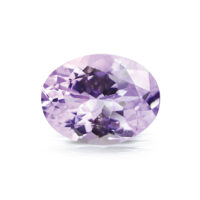
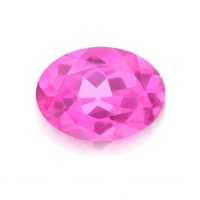
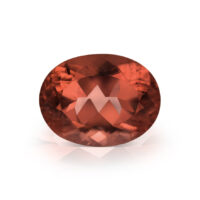
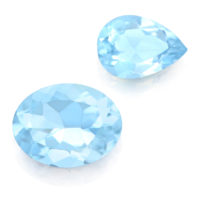
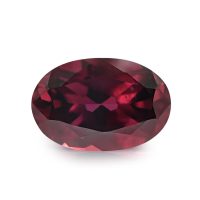
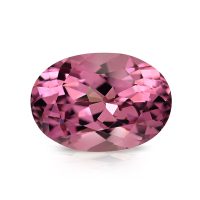
Undeniably beautiful, Anatolite has a well-developed and highly attractive color-change observable under different illumination, displaying a variety of body colors specific to each light source: kiwi (bright green) with flashes of canary (vivid yellow) in natural daylight, champagne or ginger (pastel to medium brownish orange yellow) in traditional indoor fluorescent lighting, and raspberry, pink, or Rhodolite-like hues (purplish-pinks) under candlelight (incandescent). These colors also appear from different angles, with a wide variety of other hues in alternate lighting conditions.
Compared to other color-changing gems, Anatolite has unique and highly desirable characteristics: excellent brilliance and scintillation (play of light); superior appearance in mixed lighting, displaying all colors at once; change is not limited to two basic colors; and its color change isn’t dependent on dark tones, typically displaying medium-light to medium saturations (strength of color) and tones (lightness or darkness). Color Change Diaspore is also strongly pleochroic (specifically trichroic), where three colors and their intensity shift when viewed from different angles under the same light source: violet blue, plum red, and pale asparagus green. Pleochroism gives Anatolite multiple hues from different viewing angles, while color change delivers dramatic shifts in different lighting. These two distinct but complementary optical phenomena make Anatolite one of the most beautifully visually complex and rare gemstones available. The versatile nature of its changing colors also suits every complexion, fashion, personality and style. Like all gemstones, larger Anatolite displays a more striking change and greater color intensity.
While color change is a rare and desirable optical phenomenon, seeing it can sometimes be challenging, especially if unrealistic expectations cloud perceptions. Most natural color-changing gemstones are not like traffic lights. Some synthetics almost sport this ability, but they look far from ‘natural’. Color-Change Diaspore, more than any other color-changing gem, is experiential. Viewing Anatolite in a variety of different lighting conditions is ideal, truly revealing the appealing nuances and subtleties of its color change.
The quality of faceting is critical, as Color-Change Diaspore must be correctly oriented to accommodate its perfect cleavage, color change, pleochroism, and polish. Anatolite is optimally faceted in the legendary gemstone country of Thailand (Siam), home to some of the world’s finest lapidaries and renowned for its master gem cutters. Each crystal is carefully oriented to maximize its signature colors and brilliance, achieving a mirror-like polish that accentuates its vitreous (glassy) luster, an attractive overall appearance (outline, profile, proportions, and shape), and eye-clean clarity (the highest clarity grade for colored gemstones, as determined by the world’s leading gemological laboratories) thereby maximizing its inherent color change.
Color-Change Diaspore has numerous tradenames including Anatolite (derived from its birthplace and the Greek lithos meaning stone), Ottomanite, Turkish Diaspore, Turkizite, and two registered names. First described in 1801 at Mramorsk Zavod in Russia’s Urals, Diaspore (aluminum oxide hydroxide) was named by French crystallographer and mineralogist, Abbé René Just Haüy (1743 – 1822) from the Greek Diaspora (διασπείρειν, to scatter), in reference to cracking when exposed to high temperatures. While Türkiye was once the world’s only gem-quality source, alluvial deposits in Myanmar (Burma) near Mong Hsu have yielded limited amounts of chromium-colored, gemmy pinkish-purple Diaspore crystals in small sizes since 2004, and Pink Diaspore colored by chromium and vanadium traces was found near the village of Ragha in the Goshta District of Nangarhar Province, Afghanistan in February 2020. Color-Change Diaspore may contain traces of chromium, iron, manganese, titanium, and vanadium, with the strongest evidence pointing to iron and manganese as the key drivers of its unique color change. Some Color-Change Diaspore even displays the coveted cat’s-eye effect (chatoyancy). Dependent on a gem being cut en cabochon, chatoyancy appears as a single bright reflective line of light, similar to a cat’s eye. Sporting a phenomenal dual effect (color change + chatoyancy), this Color-Change Diaspore variety is exceedingly scarce. Also known as the Alexandrite Effect, color-change gems show different colors when viewed in different light sources. “Emerald by day and Ruby by night,” Alexandrite is the quintessential color-changing gemstone that started interest in this phenomenon. As revealed by rainbows, white light is composed of the individual colors of the spectrum: blue, green, orange, red, violet, and yellow. When white light passes through a gem, some of these spectral colors are absorbed. The spectral colors of white light least absorbed combine to produce the color of the gem. Changes in a light source’s component colors cause gems to look different in various lighting conditions. Although they appear similar to our eyes, sunlight has very strong blue wavelengths, while electric light is richer in red wavelengths. In color-change gems, selective absorption of different colors of the spectrum from different light sources results in our ‘color-change’ perception. Color-change gems are rated by the strength of their change, and how attractive and distinct their colors are in both daylight and incandescent light. Color-Change Diaspore is easily differentiated from simulants by its higher refractive index and double refraction, yet instances of color-change glass deceptively sold as Color-Change Diaspore to tourists visiting Türkiye occur. Mirroring its increasing popularity, some are even accompanied by fabricated documentation certifying them as genuine. A synthetic color-change glass manufactured in India, Alexite’s color change is induced by the addition of chromium, iron, manganese, and vanadium. Zandrite is another synthetic glass whose color change is affected by neodymium. While they don’t look authentic to the professional, both simulate Color-Change Diaspore to the untrained eye. While there are undoubtedly reputable jewelers in Türkiye, nothing tarnishes a holiday more than discovering the genuine memento purchased is paste, only worth a fraction of what was paid.
Rarity
Color change is a rare and highly valued optical phenomenon in gemstones, making color-changing gems (Alexandrite, Color-Change Fluorite, Color-Change Garnet, Color-Change Sapphire, and Color-Change Diaspore) extremely coveted.
A unique fusion of East and West, Türkiye is a bridge between two cultures and the birthplace of major civilizations, including the Hittite, Byzantine and Ottoman Empires. Although Chalcedony’s name was derived from Chalcedon (an ancient port near Istanbul), and Purple Jadeite is exclusive to the country, Türkiye is not overly associated with gemstones. Only found in the Ilbir Mountains in Anatolia, southwest Türkiye, Anatolite’s rarity is easy to appreciate.
From the early 50s until 1972, Diaspore crystals in the İlbir Mountains — specifically the Pınarcık area near Milas, Muğla Province — were studied extensively by the Turkish Government. In 1972 Etibank acquired the mining rights to all Turkish deposits and began mining bauxite at the original mines in the Küçükçamlık and Büyükçamlık hills.
Initially hand-mined, Color-Change Diaspore crystal specimens gained popularity with collectors after promotion at the Basel and Munich mineral fairs in the late 70s. It was first recognized as a gemstone in 1977 when examined by the Gemmological Association of Great Britain’s Gem Testing Laboratory in London. While commercial faceting began in the early 80s, in 1982 the Turkish Government halted Etibank’s mining activity. Many Diaspore crystals were extracted and sent overseas by Euro-Asia Ltd., who introduced the gem to market in 1994, with an article also appearing in Gems & Gemology (Winter 1994). In 2005 all Anatolian mining areas were privatized by public auction, and Milenyum Mining Co. reopened the mine in 2006, beginning Diaspore’s first commercial mining.
While Color-Change Diaspore was originally from a single mine, it’s now worked by several operations within the same deposit. Mined directly from its bauxite host rock (mainly comprised of boehmite, diaspore, and gibbsite), which is difficult and time-consuming, cutting yields are usually small, typically 1–3 percent, but rarely more than 15 percent. Given its sole source and the rarity of color-changing gemstones, this accentuates its scarcity, particularly when the typical return on a gem mineral is 20–35 percent. Available in classic and specialty cuts, Anatolite’s average size is 1–3 carats, with sizes exceeding 5 carats exceptionally rare.
With over 90 percent treated, gemstone enhancements are prevalent in the marketplace, sometimes having a significant impact on price. Anatolite remains one of the few gemstones that are entirely natural and unenhanced, accentuating desirability, rarity, and value.
Durability & Care
A popular jewelry gemstone well‑suited to everyday normal wear, Anatolite (Mohs hardness 6.5 – 7) should always be stored carefully to avoid scuffs and scratches. Clean gently with mild soap and lukewarm water, carefully scrubbing behind the gem with a very soft toothbrush if needed. After cleaning, pat dry with a soft towel or chamois cloth.
Map Location
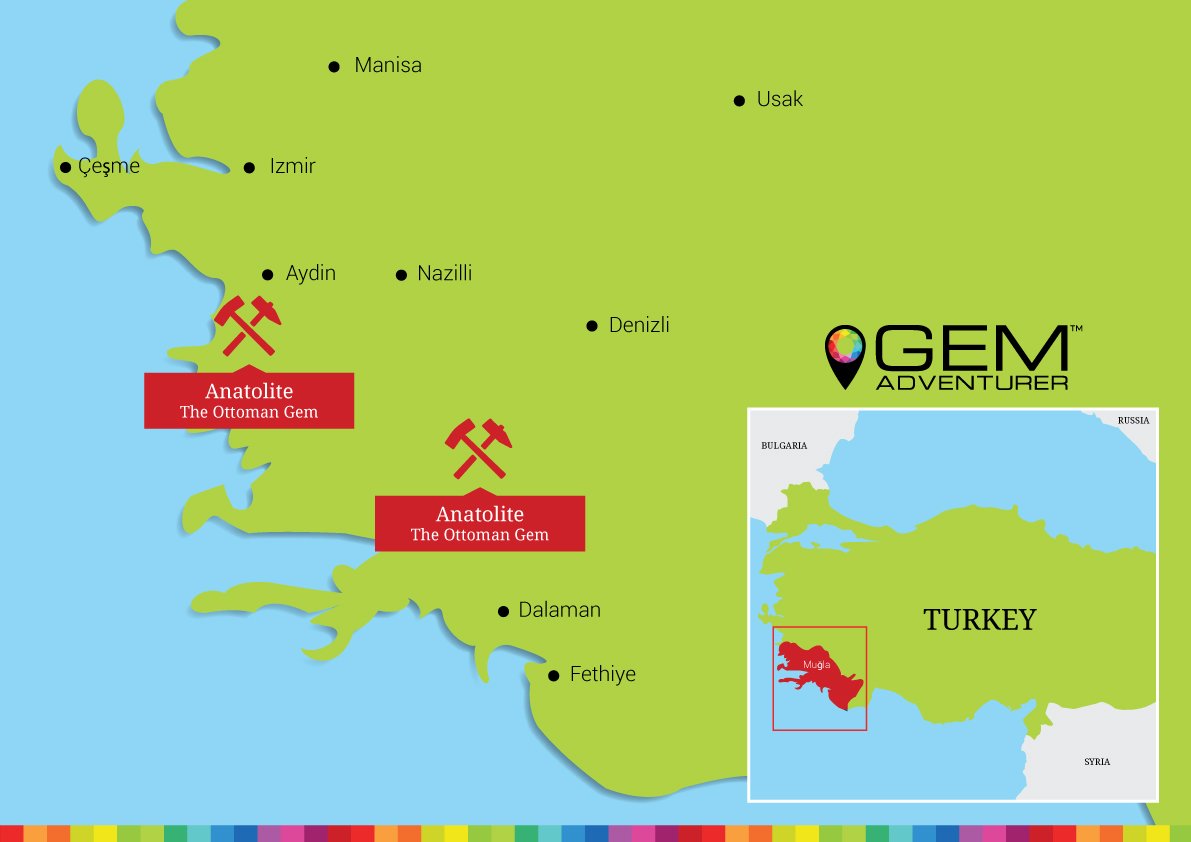
Click map to enlarge