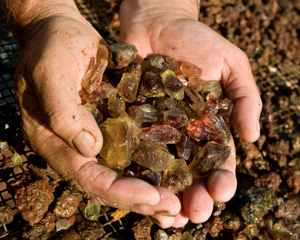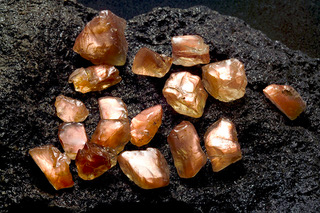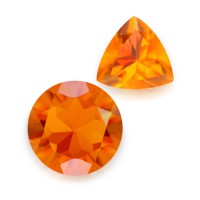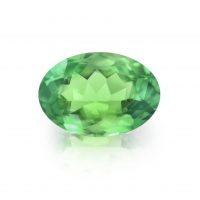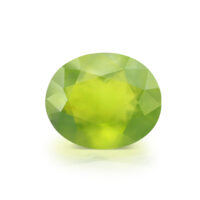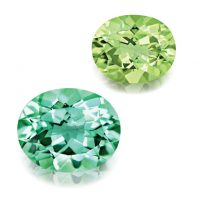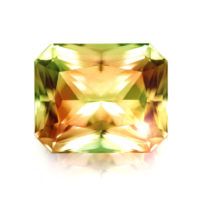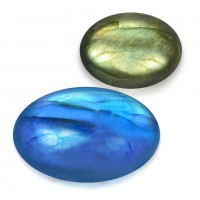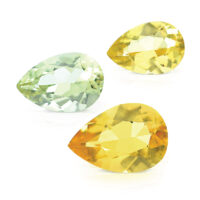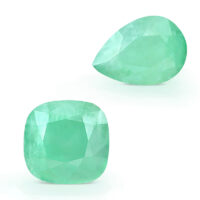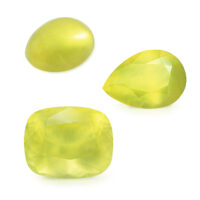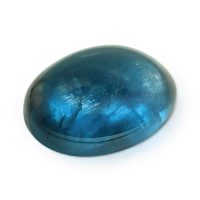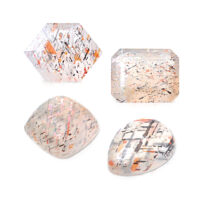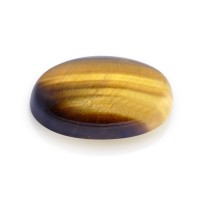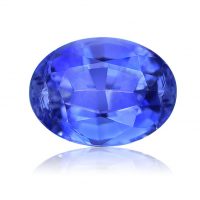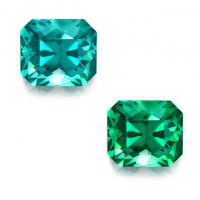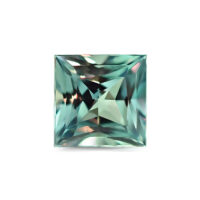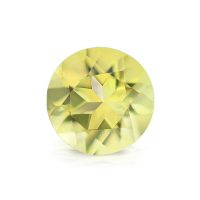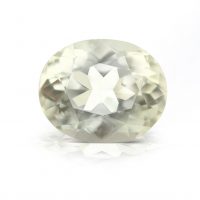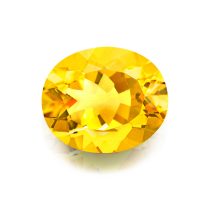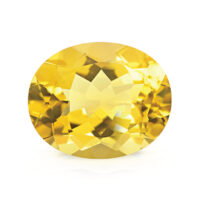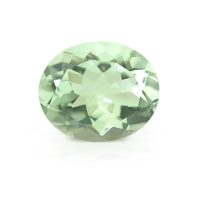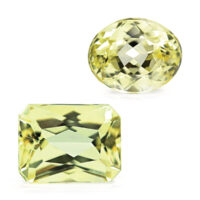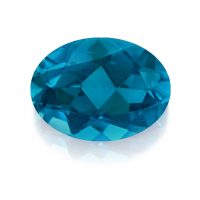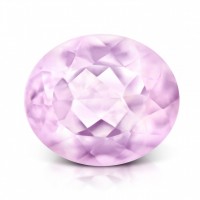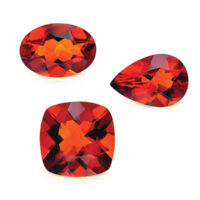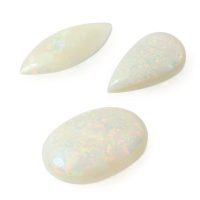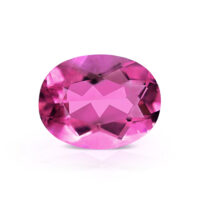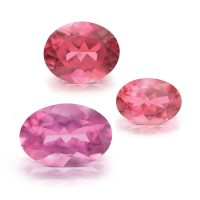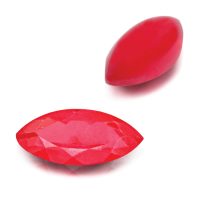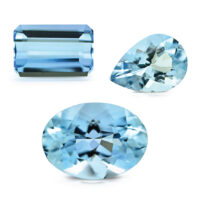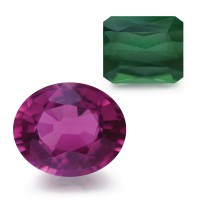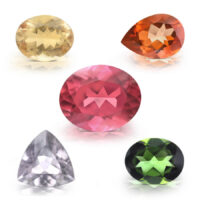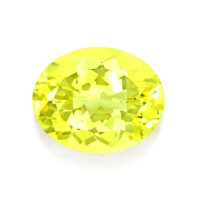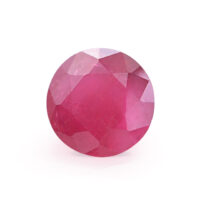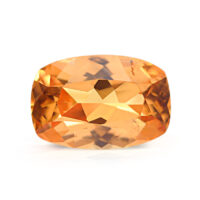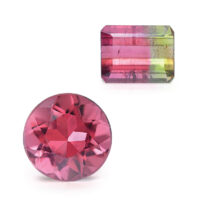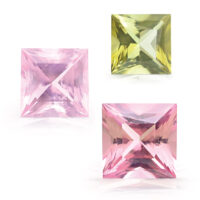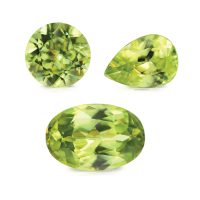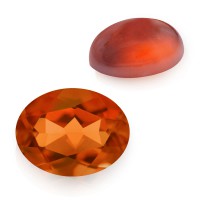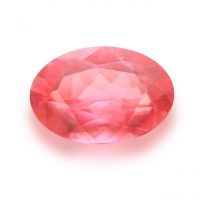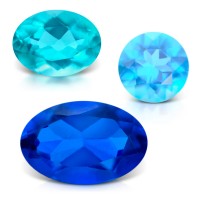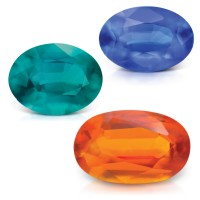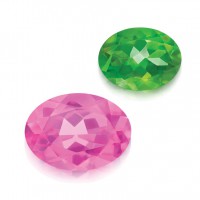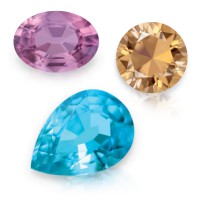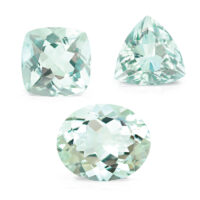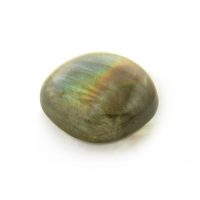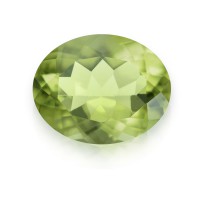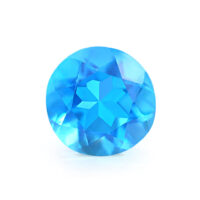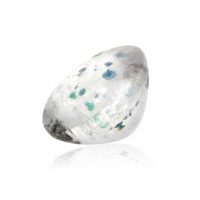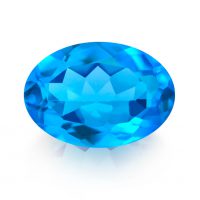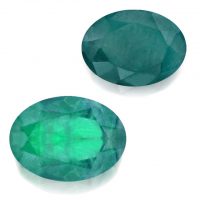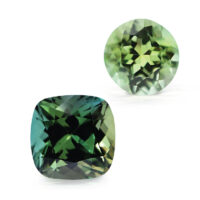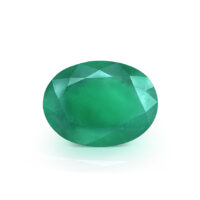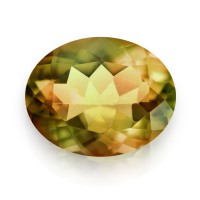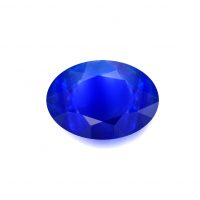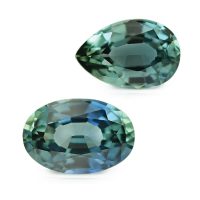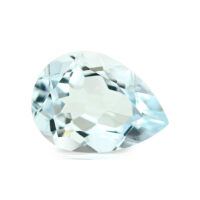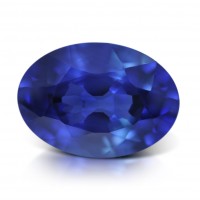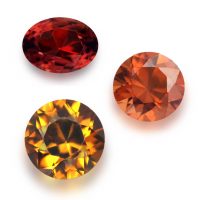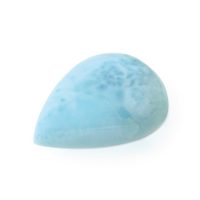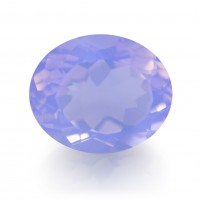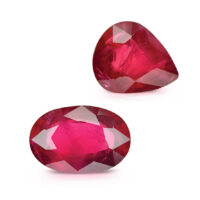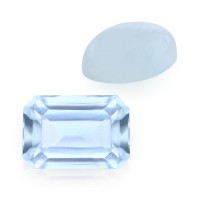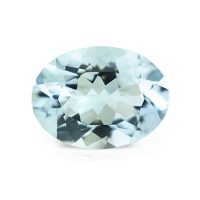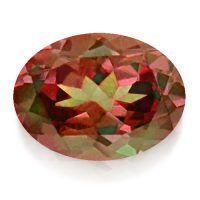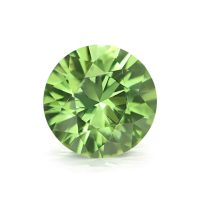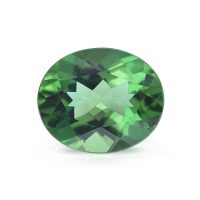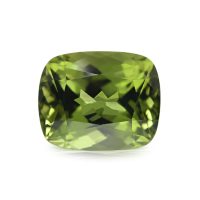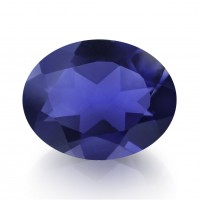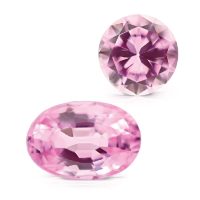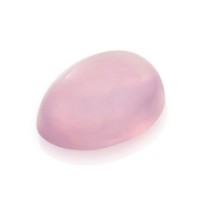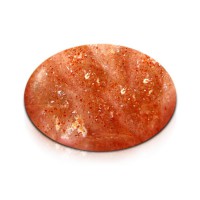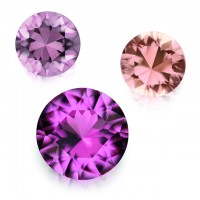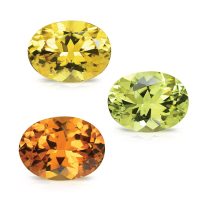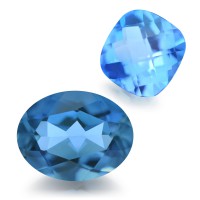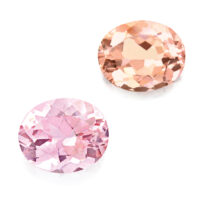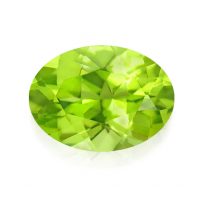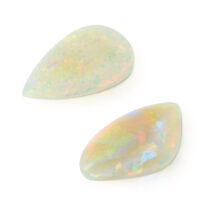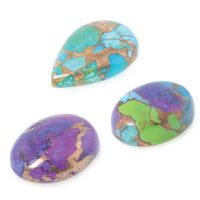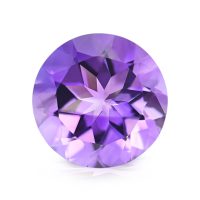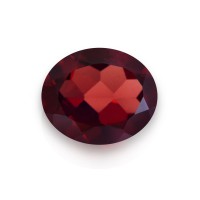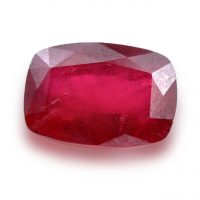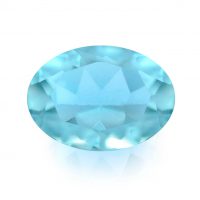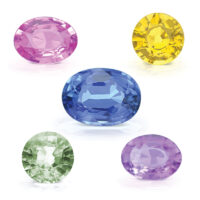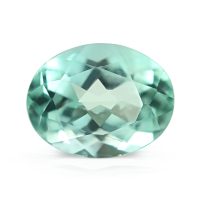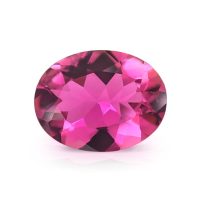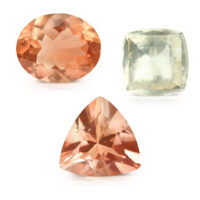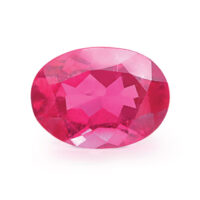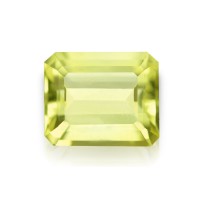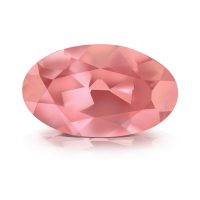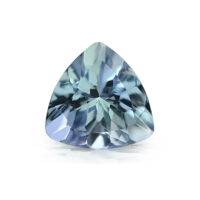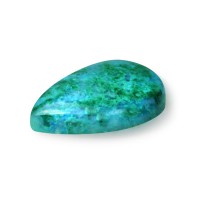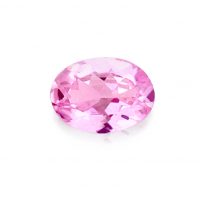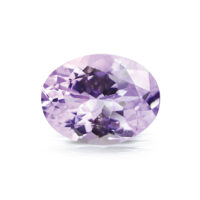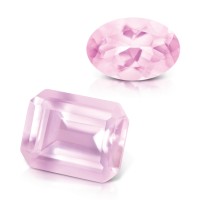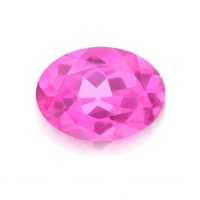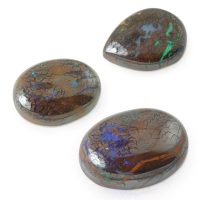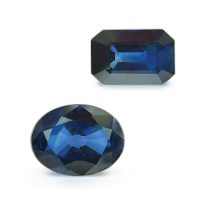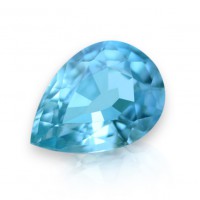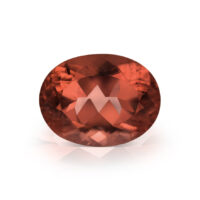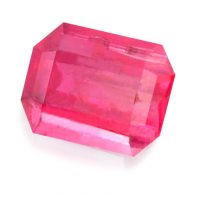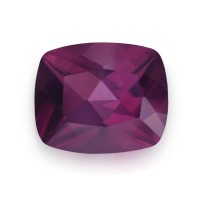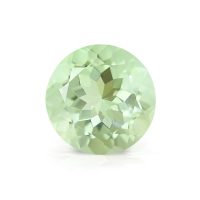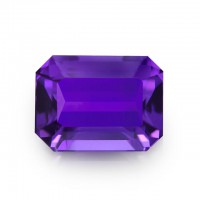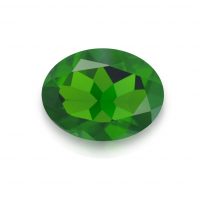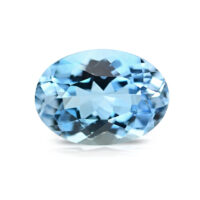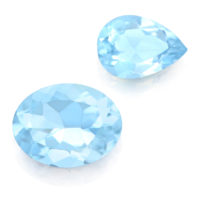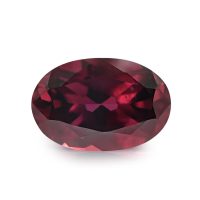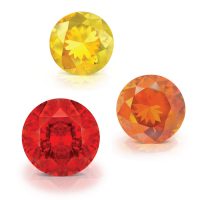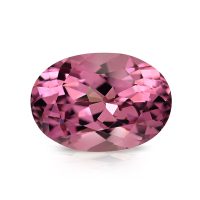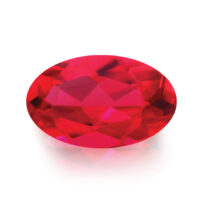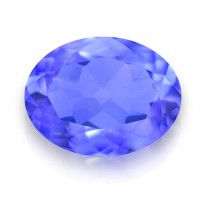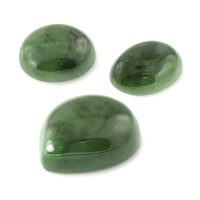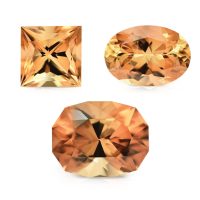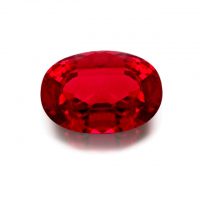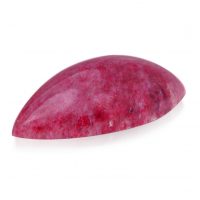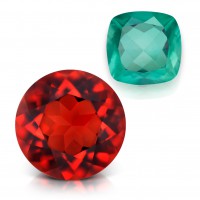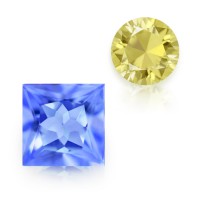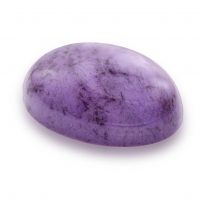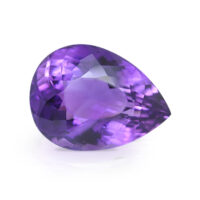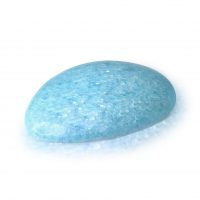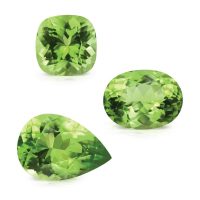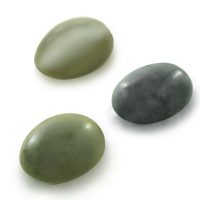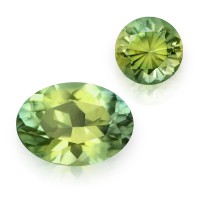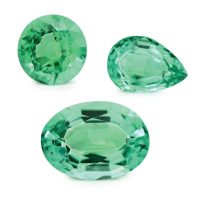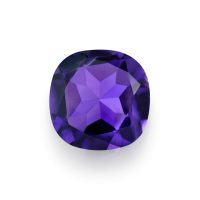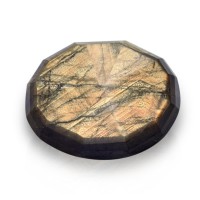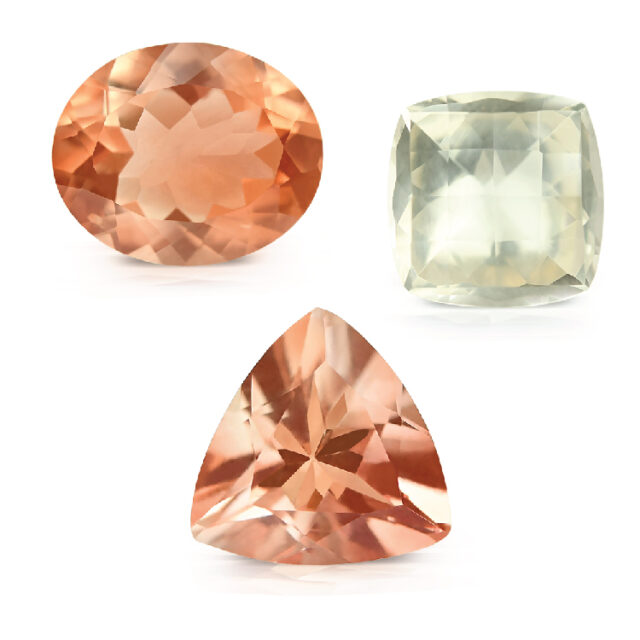
The state’s official gem since 1987, Oregon Sunstone ranks among the world’s rarest gemstones. Its breathtaking, all‑natural colors were first coveted by Native Americans, and today remains highly valued by jewelers and connoisseurs. Unique among Feldspars, it is one of only two colored by copper aventurescence, affording hallmark hues with a subtle glitter and glow. Showcasing gorgeous peaches, pinks, and yellows, it embodies radiance and rarity, with three limited deposits in Oregon’s high desert ensuring exclusivity. Ethical and environmental, our Oregon Sunstone is mine‑to‑market from the famed Ponderosa Mine, discovered in 1980.
Hardness 6.5 – 7.0
Refractive Index 1.559 – 1.568
Relative Density 2.67 – 2.72
Enhancement None
Beauty
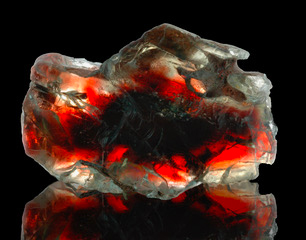
Named for its semblance to the sun, Sunstone’s most important and signature attribute is its defining aventurescence, aptly coined the ‘Sunstone Effect’ or schiller. This beautiful sunlight phenomenon is caused by glittering metallic inclusions reflecting light multiple times as it travels through the gemstone, resulting in a spangled, glittery sunlight effect. Aventurescence dates to an 18th‑century Venetian glasswork, when copper filings accidentally fell into a batch of molten glass. According to legend, the workers exclaimed, “a ventura,” meaning ‘by chance,’ on noticing their glass with sparkles. ‘Schiller’ derives from Old High German “scilihen,” meaning to blink or wink. Most Sunstone is typically red‑brown with hematite and/or goethite aventurescence. Oregon Sunstone’s aventurescence is caused by bright, citrus‑hued copper platelets, with smaller inclusions resulting in a subtle glow and larger inclusions providing a glittery, attractive appearance. This is very rare, affording Oregon Sunstone truer red and orange color bursts, complemented by golden schiller.
Oregon Sunstone exhibits unique optical and physical properties, including a wide range of saturated body colors, its aforementioned aventurescence, and uniquely, strong pleochroism (specifically trichroism). Potentially challenging for cutters, Oregon Sunstone (copper‑bearing Labradorite) is trichroic, where three colors and their intensity shift when viewed from different angles, typically showing variations of red, green, and yellow/gold depending on orientation. Although Oregon Sunstone can show three directions of pleochroism, this striking feature is unusual for Labradorites, let alone Feldspars. Some uniformly red crystals do not show green in any orientation, but all green crystals have at least one red direction. Because its trichroic appearance depends on the relationship of exhibited color to twin planes (the internal growth structures within the crystal that split light into different directions), Oregon Sunstone’s frequent color‑zoning also presents an orientation issue for lapidaries. While aventurescence defines Sunstone, color and transparency are also critical to value, with less transparent crystals typically cut en cabochon.
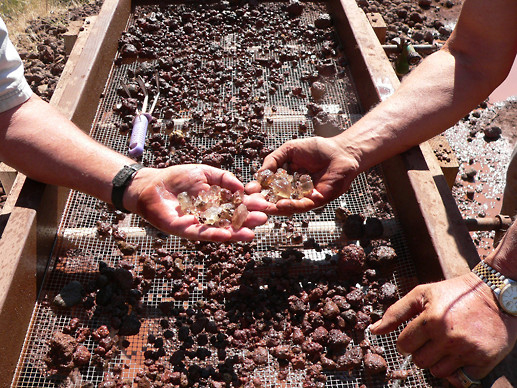
Varying copper sees Oregon Sunstone range from colorless to yellow, as well as many shades of green, red, and pink, including bicolors and tricolors. Ours display gorgeous peaches (soft, warm blends of pink, orange, and yellow), pinks, and yellows with highly desirable even hues, in medium‑light to medium saturations (strength of color) and tones (lightness or darkness of color), a marketplace ideal. Its colors may shift slightly depending on the trichroic viewing angle, yet maintain beauty in both natural and incandescent lighting — the exceptionally rare gemological ideal. Its characteristic aventurescence and iconic colors aside, Sunstone’s key value determinant is its transparency. Ours are transparent to semi‑transparent, with excellent brilliance, brightness, clarity, and minimal opacity. Although it features an attractive vitreous (glassy) luster, Sunstone can appear metallic‑looking due to its aventurescence. Classified as a Type II gemstone by the Gemological Institute of America (GIA), Oregon Sunstone, like Ruby, typically grows with minor inclusions that may be eye‑visible. Our Oregon Sunstone has good clarity for this rare gemstone, ranging from slightly included (fairly clean, with minor inclusions visible to the unaided eye) to eye‑clean, the highest quality clarity grade for colored gemstones as determined by the world’s leading gemological laboratories.
Aside from careful orientation to accommodate its trichroism and color‑zoning, Oregon Sunstone generally cuts easily, quickly achieving a brilliant polish, with the occasional unraveling of a cleavage plane, an uncommon and readily resolved occurrence. Oregon Sunstone colors usually occur in a bulls‑eye pattern, with a spot of color surrounded by a clear or light straw‑colored rind. Faceted Sunstone’s best color is achieved by focusing the available color at the gem’s culet, placing as much color as possible in the pavilion, ideally orienting it beneath and parallel to the table. Such orientation causes light entering the crown to reflect throughout the color zone before exiting the gem. Our Oregon Sunstones were optimally faceted at a dedicated lapidary in the legendary Indian gemstone city of Jaipur, home to some of the world’s finest cutters and renowned for its master lapidaries. Each crystal was carefully oriented to maximize its color and brilliance, achieving a mirror‑like polish (accentuating its vitreous, glassy luster) and an attractive overall appearance (outline, profile, proportions, and symmetry).
A silicate mineral occurring in igneous rocks (volcanic rocks formed from cooled and solidified magma or lava), Feldspars are prized for their beautiful optical phenomena, such as adularescence, aventurescence, and iridescence. ‘Feldspar’ derives from the German “feldt spat,” meaning ‘field stone,’ due to its ability to enrich the soil with plant nutrients. Feldspars are distinguished by their calcium, potassium, and sodium content/ratio, and divide into two subgroups: Plagioclase and Orthoclase, or more technically: Plagioclase Feldspars (Albite – Anorthite) and Alkali/Potassium Feldspars (Orthoclase – Albite). While the Plagioclase group includes most gemstone varieties, gems in the Orthoclase group share the same chemical composition, but are distinguished by their crystal structure. Both have Sunstones and Moonstones, with these names referencing a visual appearance, rather than their chemical composition or crystal structure. Sunstone is typically bicolor, colorless, green, orange, pink, red, or yellow, with aventurescence caused by tiny platelets of copper, goethite, hematite, ilmenite, and/or magnetite. Sister gem to Labradorite and Moonstone, Oregon Sunstone is a transparent to translucent member of the Plagioclase Feldspar group; gem-quality, copper-bearing Labradorite Feldspar known as Sunstone due to its appearance. While beautiful aventurescence defines Sunstone, adularescence is typically synonymous with Moonstone, and iridescence, Labradorite. In fact, the metallic iridescence in Labradorite is aptly called ‘labradorescence’. Considering its name, it’s not surprising that various legends connect Sunstone to the sun. Like the sun, Sunstone was thought to represent energy, light, power, and warmth. For ancient Indians, Sunstone was believed to be a piece of the sun that would endow insight, good health, power, and prosperity. Sunstone was also once coveted for its purported ability to guide its wearer through life’s journey. According to one story, Pope Clement VII (1478 – 1534) possessed a Sunstone with a golden spot that moved across the gem in motion with the sun. Native Americans used glittering Oregon Sunstones in medicine wheel ceremonies to connect with the sun’s healing light, as well as in sacred bundles and burial sites. One Native American legend tells of a great warrior who, when wounded by an arrow, took refuge in the Ochoco Mountains… droplets of his blood fell onto Oregon Sunstone, absorbing his warrior spirit, deepening their red color, and imbuing them with sacred power.
Rarity
While Feldspars are found world‑over, they are rarely gem‑quality. Sunstones are predominantly mined in India, Madagascar, Tanzania, Tibet, and the USA. Always scarce, especially in fine qualities, Sunstone is not only one of the most coveted Feldspars but also one of the world’s most valued gemstones. Undeniably the rarest Feldspar gemstones, Oregon Sunstone and Tibetanite (Tibetan Andesine or Tibetan Sunstone) are the only two Feldspars colored by copper. Closely related to Labradorite, Andesine is a Plagioclase named for its 1841 discovery in the Andes Mountains of South America.
Oregon Sunstone is formed in molten lava erupted onto the earth’s surface during volcanic activity. As the lava weathers away or is broken up, the crystals are revealed. Oregon Sunstone was first collected by Native Americans who saw it glittering on the ground. Traded and bartered to early Western settlers as well as other tribes, this beautiful gemstone spread as far east as the Mississippi River and as far north as central Alaska. This rare Feldspar is only found in three small known deposits in the Oregon High Desert: the initial discovery ~34 kilometers north of Plush in Lake County, south‑central Oregon — also referred to as the Lakeview, Rabbit Hills, or Rabbit Basin location; a small deposit reported near the White Horse Ranch in southeastern Harney County, south‑central Oregon; and importantly, the Ponderosa Sunstones Mine (Pinkie Nos. 1 – 4 Claims) in northwestern Harney County, the source of our gems.
Oregon Sunstone was formally adopted as its official state gemstone in 1987, following legislative recognition beginning in 1985. In 1992, major jewelers H. Stern and Tiffany & Co. added this unique Oregon gem to their collections, calling it ‘American Sunstone’. World‑renowned for its stunning beauty, Oregon Sunstone has won many awards over the last two decades, including 10 winning entries (2002 – 2007) in the AGTA (American Gem Trade Association) Cutting Edge Awards, with additional recognitions continuing through 2025. With colors complementary to all precious metals, Oregon Sunstone’s characteristics also allow it to be cut and polished in varied lapidary styles, enhancing its natural splendor. This is why some of the world’s most renowned jewelry designers are creating distinctive Oregon Sunstone collections encompassing casual, contemporary, and elegant creations.
The Ponderosa deposit’s modern discovery occurred in the summer of 1980 when a logging operation cut through the area, and cowboys running range cattle found clear crystals on the surface. Lode claims were staked, and pick‑and‑shovel mining activities began that summer. Gem broker Larry Gray first worked the claim, the third known deposit of Sunstone in Oregon. As mining continued, it soon became obvious Ponderosa had the widest range of Oregon Sunstone colors ever discovered. In 1985, miners unearthed an enormous piece of rough (uncut gemstones) weighing about 40 carats, which yielded three gemstones, including a deep red Sunstone of 10.7 carats. Coined the ‘Ponderosa Queen’, it was instrumental in Oregon Sunstone’s adoption as its official state gemstone.
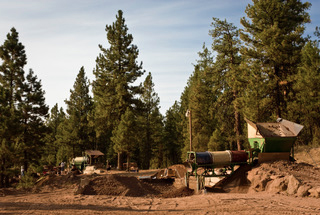
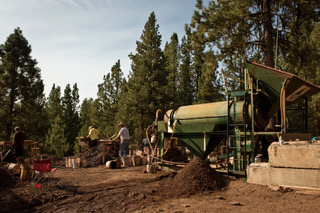
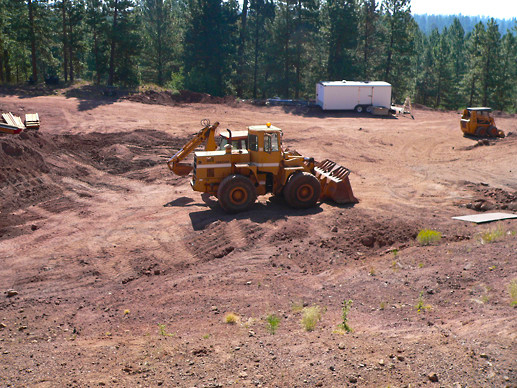
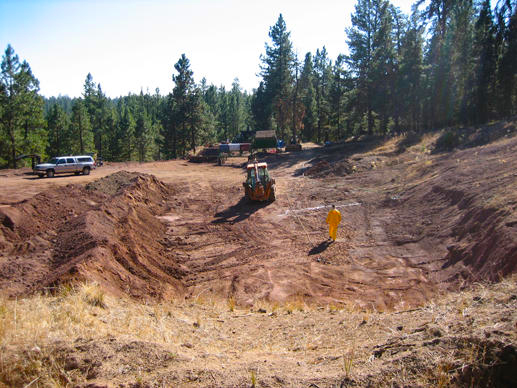
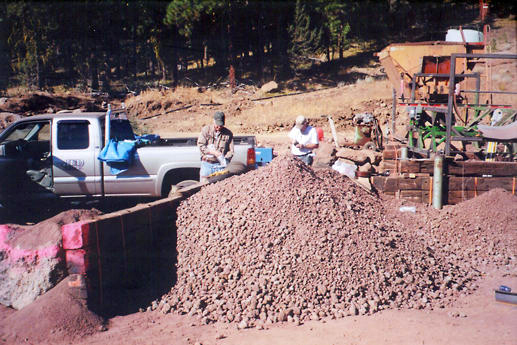
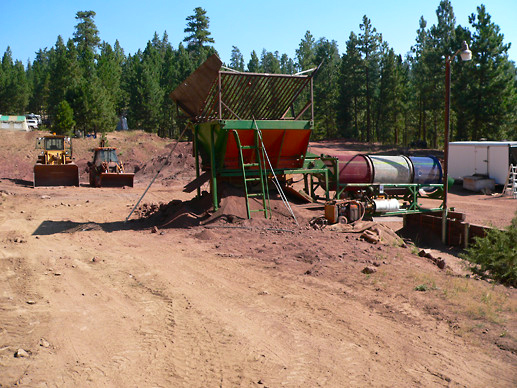
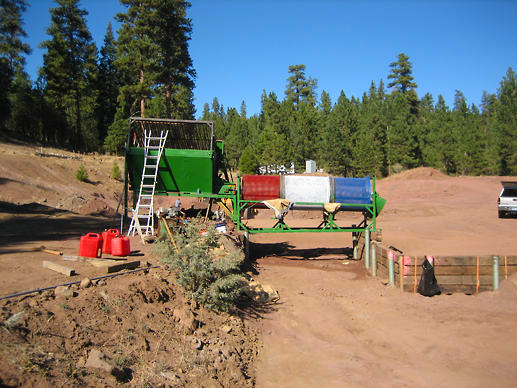
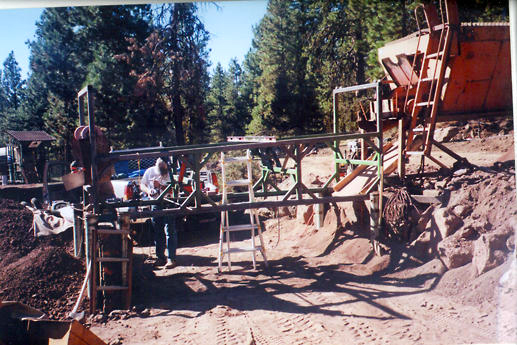
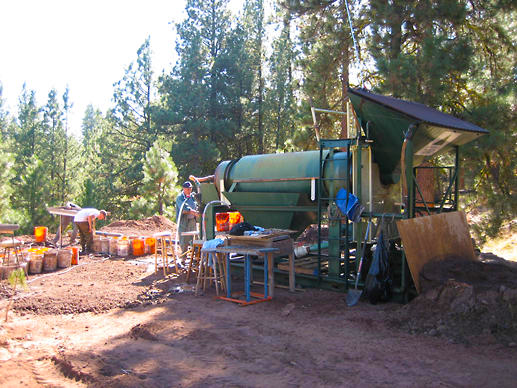
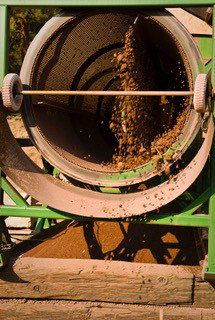
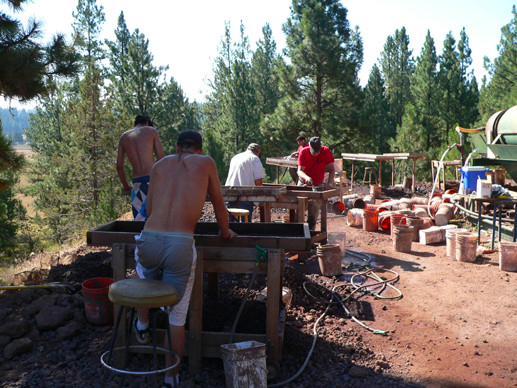
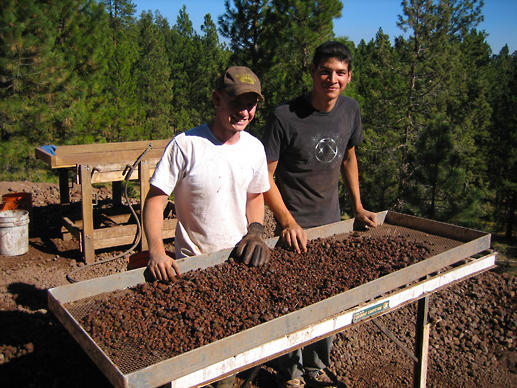
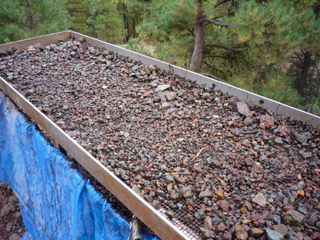
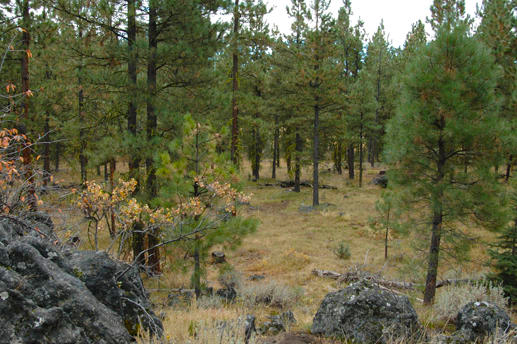
The mine is located in the high desert of southeast Oregon, just outside the town of Burns, in the Ochoco National Forest at an elevation of ~1,753 meters. This high elevation limits mining to only five months (May – October), when the summer sun finally melts the snow that blankets the mountains for the rest of the year. Ponderosa features 60 lush acres of Oregon’s ponderosa pine trees, making for a unique park‑like setting. Ethically and environmentally mined, great care of this natural resource is taken. Prior to 2006, all mining was performed by hand using shovels, picks, and hand‑screening. Mining activity has since accelerated, with heavy equipment (dry & wet trommels) refining the extraction process. The mine has several creature comforts, including a paved highway that leads right to the front gate. Ease of operation, almost antithetical to mining, is the hallmark of Ponderosa. In 2003, John and Talley Woodmark, along with their good friend Bruce Moore, founded the Desert Sun Mining & Gems Corporation (DSMG) after purchasing 100 acres of Sunstone claims in the Rabbit Basin and then successfully negotiating the acquisition of the esteemed Ponderosa Mine. Soon after, John found a gigantic crystal weighing approximately 310 carats, carving two individual works of art, each containing all of the colors in the Sunstone spectrum. Their collective vision to establish Oregon Sunstone as a premier colored gemstone quickly became a reality, and today DSMG is the world’s largest supplier of Oregon Sunstones, unearthing approximately 3 million carats each year, accounting for approximately 80 percent of natural Sunstones available in the marketplace.
As an ethical and environmental mine‑to‑market operation and members of the AGTA, Desert Sun Mining & Gems strongly emphasize environmental protection, health, and safety, maintaining strict quality control over every gemstone they mine and cut. Ponderosa is also a patented Oregon Sunstone mine, meaning DSMG legally and privately owns all land, and it is unavailable for fee digging. Simply put, they believe a “safe mine is a productive mine,” succinctly summarizing their environmental policy as “producing and protecting.”
Due to geological scarcity, AA‑grade red gemstones represent only 10 percent of all Oregon Sunstone mining. In terms of pricing, bicolor or tricolor Oregon Sunstones with green and red are priced highest; red and green Oregon Sunstones are similarly valued; oranges are about 65 – 70 percent of the price of greens and reds; pinks are approximately 30 – 50 percent of green or red Oregon Sunstones; light pink examples are 15 – 25 percent of the price of green or red Oregon Sunstones; yellows are most affordable, commanding prices 5 – 10 percent that of greens and reds. In order to maintain color orientation during lapidary, the average cutting yield is only 12 percent — significant compared to the typical gem mineral return of 20 – 35 percent, impacting rarity.
Critically, Oregon Sunstone is guaranteed to be entirely natural and unenhanced, underscoring desirability, rarity, and value. This elite attribute appeals not only to industry professionals but also to jewelers and connoisseurs around the globe. While the Tibetan copper‑bearing Andesine Labradorite Feldspar (Tibetanite) is confirmed natural, most Andesine gemstones that flooded global markets since 2002 were actually artificially colored, chemically heat‑diffused Mongolian and Mexican Labradorite.
Durability & Care
An excellent jewelry gemstone, well‑suited to everyday normal wear (Mohs Hardness: 6.5 – 7), Oregon Sunstone should always be stored carefully to avoid scuffs and scratches. Clean with gentle soap and lukewarm water, scrubbing behind the gem with a very soft toothbrush as necessary. After cleaning, pat dry with a soft towel or chamois cloth.
Map Location
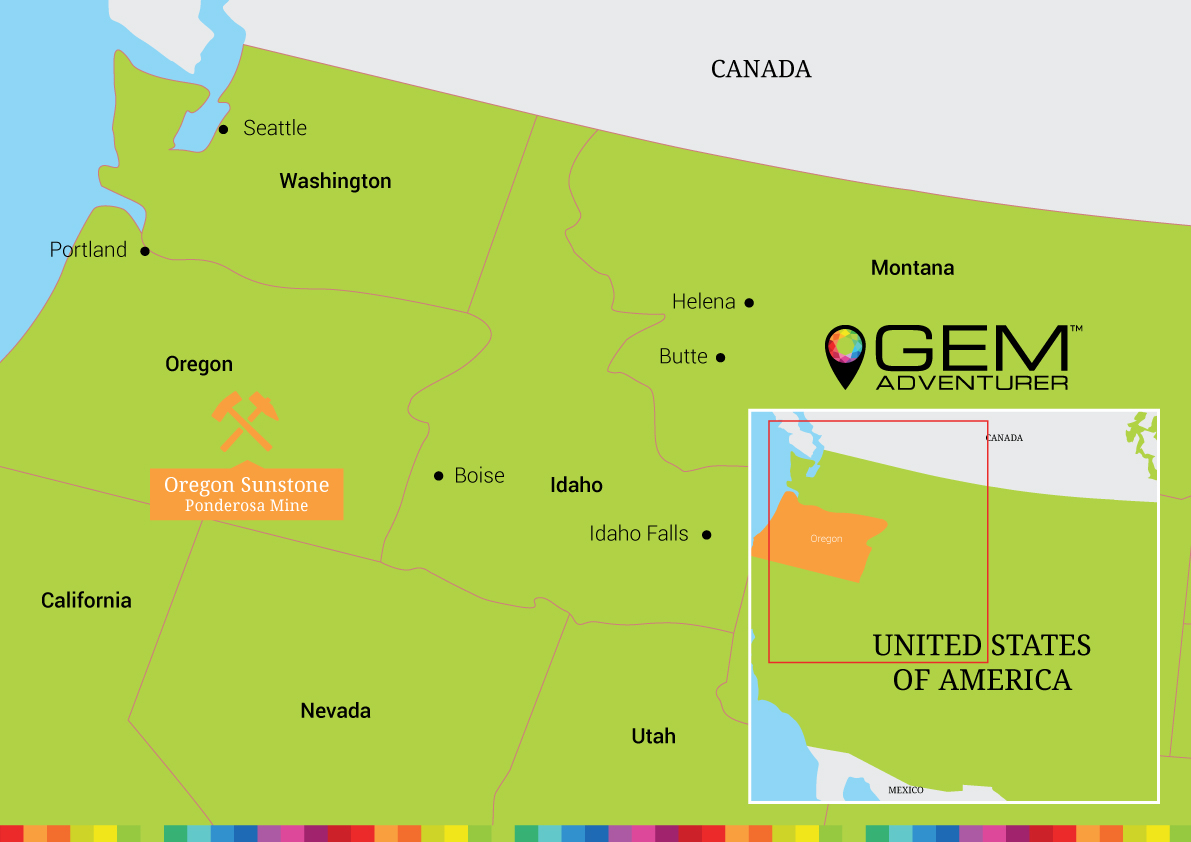
Click map to enlarge