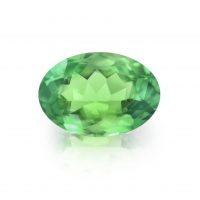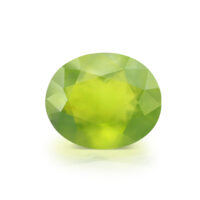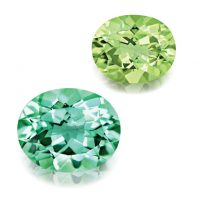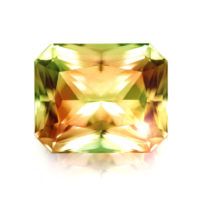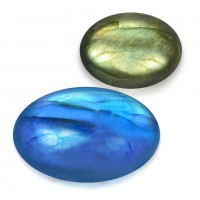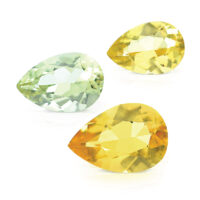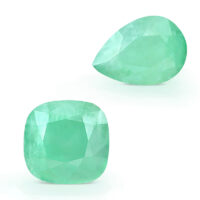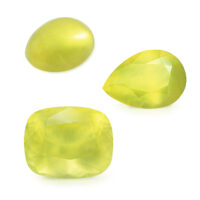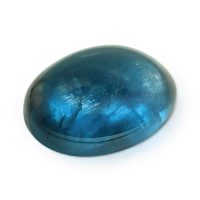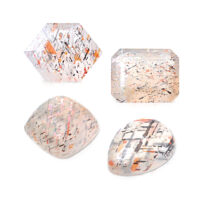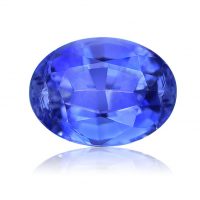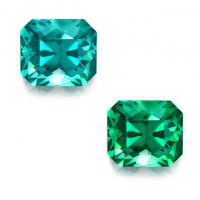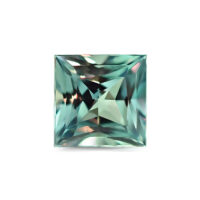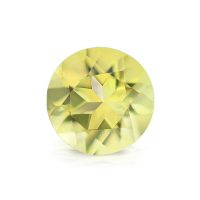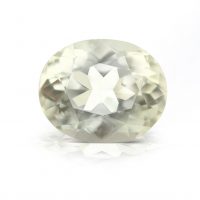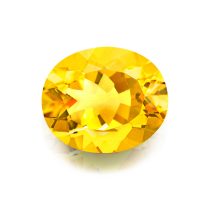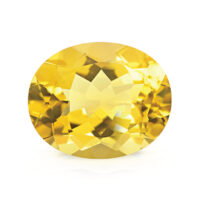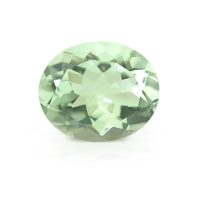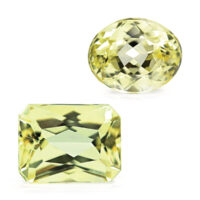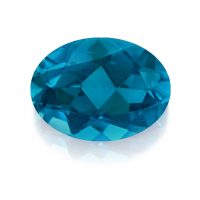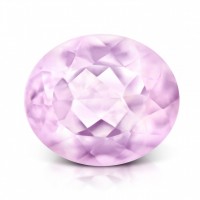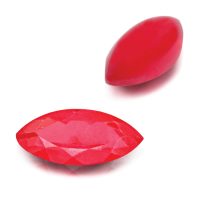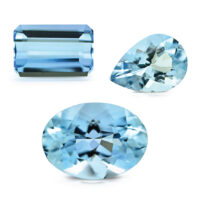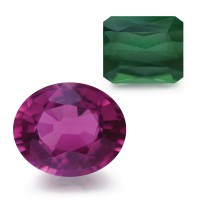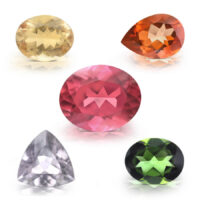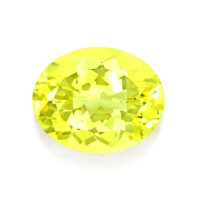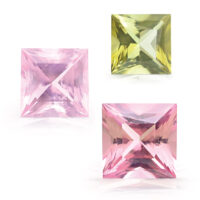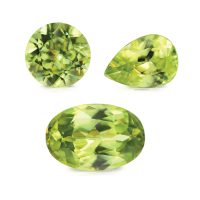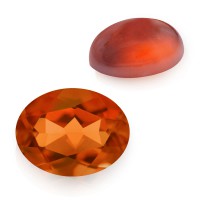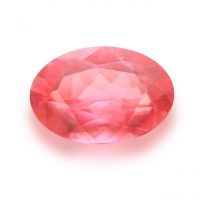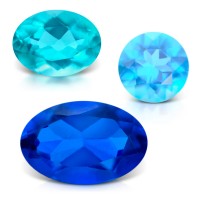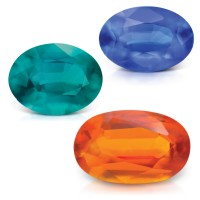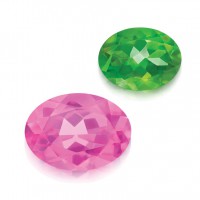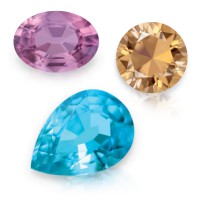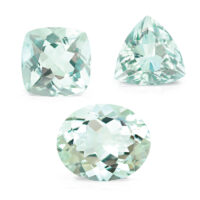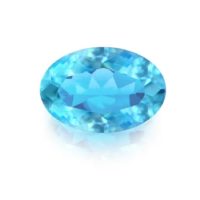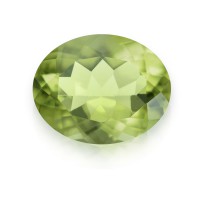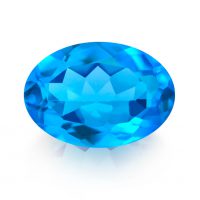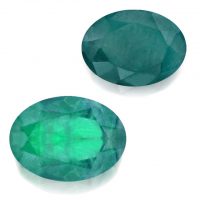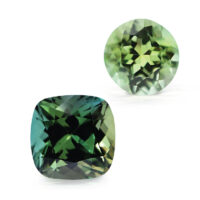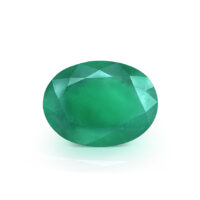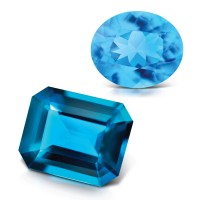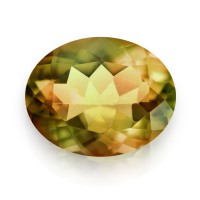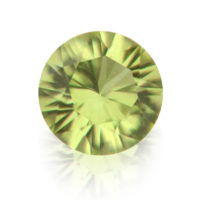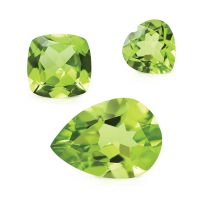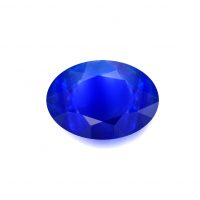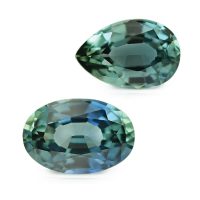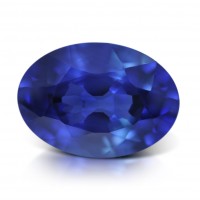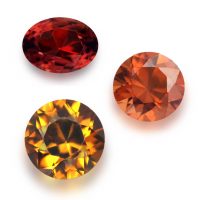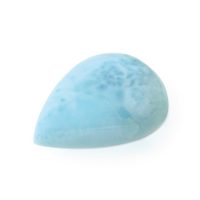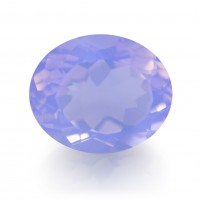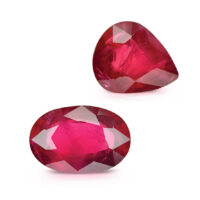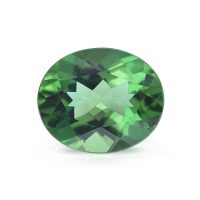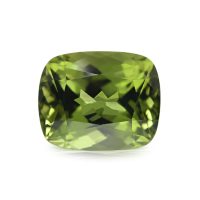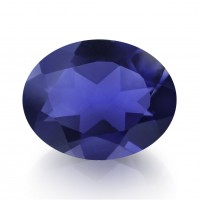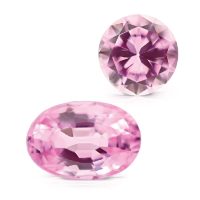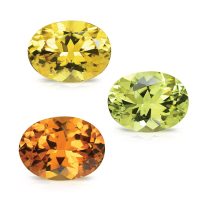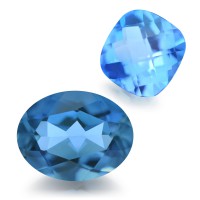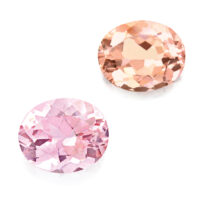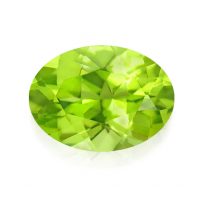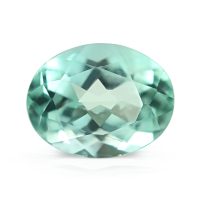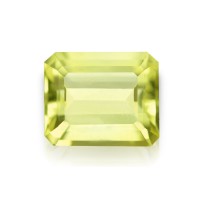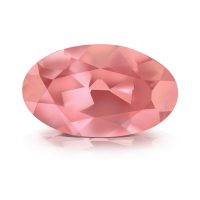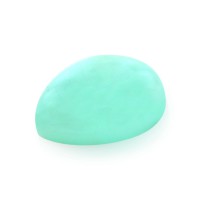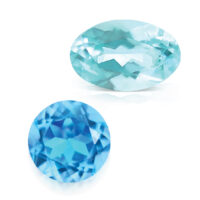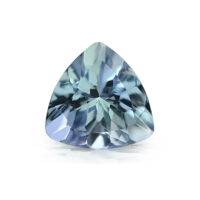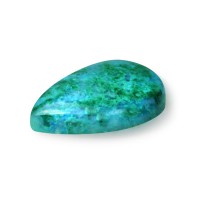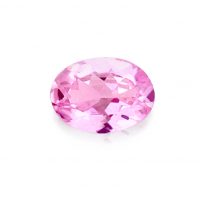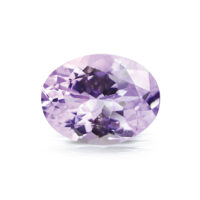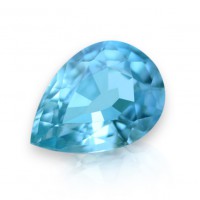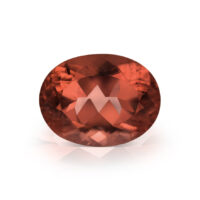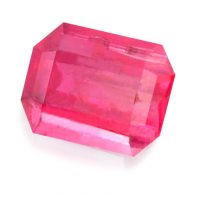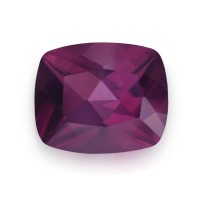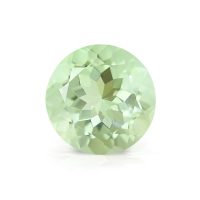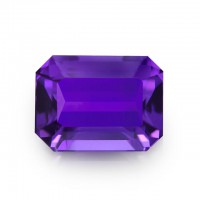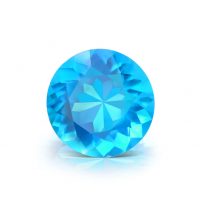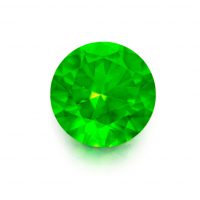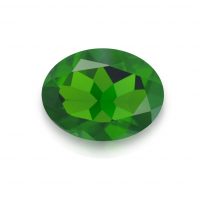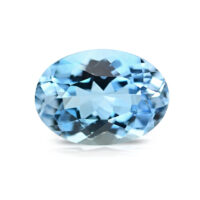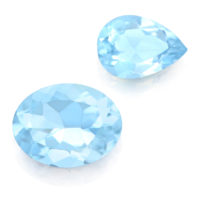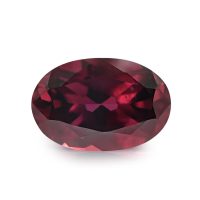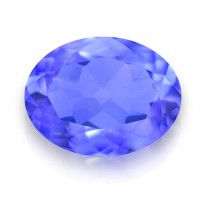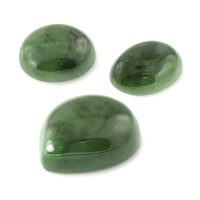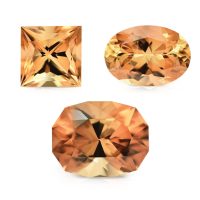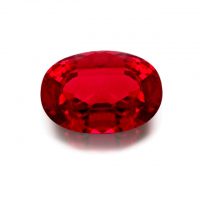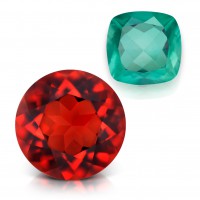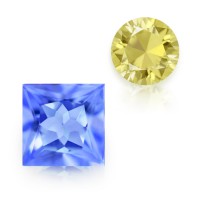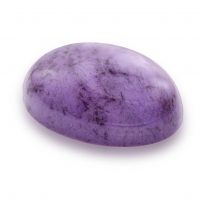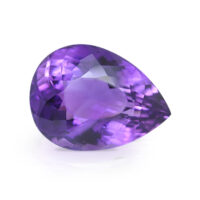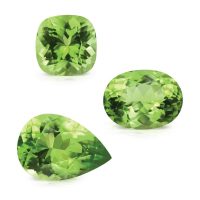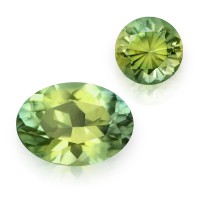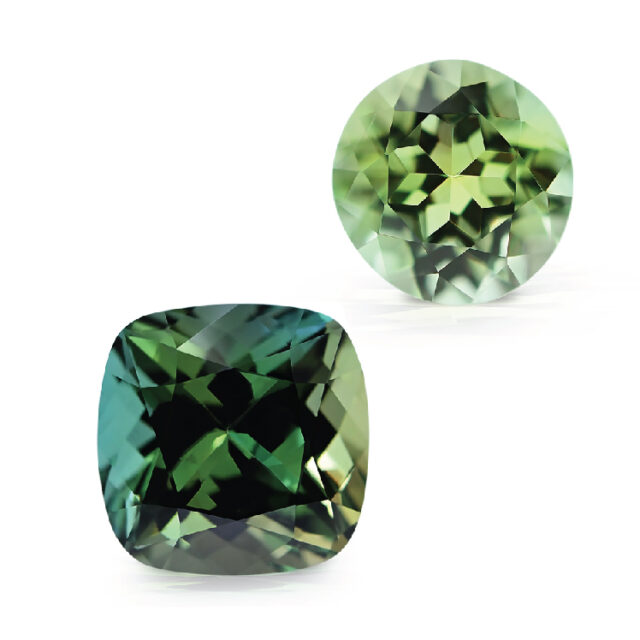
One of December’s birthstones, Tanzanite is the quintessential haute-fashion gemstone of the 20th century. Synonymous with velvety blues, Green Tanzanite’s verdant forest hues offer a beautiful, all-natural twist on a celebrated gem. Solely from Tanzania, it is defined by genuine rarity as much as beauty. Tanzanite was discovered in the 60s, yet these elusive greens remained hidden until the 90s, with supply always sporadic. Though mining is ostensibly over, a recent crystal pocket at the famed Karo Pit in D Block yielded only a minuscule supply, keeping them undeniably rare and exclusive.
Hardness 6.5 – 7
Refractive Index 1.691 – 1.700
Relative Density 3.35
Enhancement None
Beauty
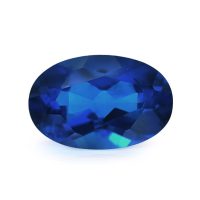
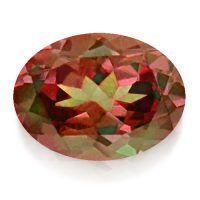
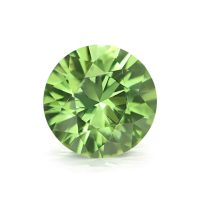
Given its high transparency and an absence of inclusions are defining characteristics of Tanzanite, color and lapidary quality are the primary determinants of value. Green Tanzanite displays gorgeous, jewel‑tone greens across a range of highly desirable medium‑light to medium‑dark saturations (strength of color) and tones (lightness or darkness). These defining greens arise from its distinctive pleochroism (specifically trichroism), where three colors and their intensity shift when viewed from different angles, together with chromium in the absorption spectrum. Its colors can also appear slightly different depending on the trichroic viewing angle, while maintaining beauty in both natural and incandescent lighting, an exceptionally rare gemological ideal.
Tanzanite is a challenging gemstone for cutters due to the orientation of its trichroic crystals. Although Tanzanite’s typically distinct trichroic hues are 1) blue, 2) purplish‑red, and 3) greenish yellow‑brown (bronze), Green Tanzanite’s are slightly different revealing, 1) greenish-yellow to yellowish brown (bronze), 2) yellowish-green, and 3) bluish green to brownish green. The quality of faceting is critical, as the visibility of trichroism depends largely on cutting. Green Tanzanite does not usually respond to heating, yet most Tanzanite is heated to permanently enhance its color, minimizing bronze tones and maximizing blues, purples, and violets. However, this process depends on the natural characteristics of each crystal and does not produce consistent results. While the rarest and most valuable color is a strong daylight sapphire‑like blue, most Tanzanite reveals a captivating interplay of its three trichroic hues, each contributing to its unique beauty.
Our Green Tanzanite was optimally faceted in the legendary gemstone country of Thailand (Siam), home to some of the world’s finest lapidaries and renowned for its master gem‑cutters. Each crystal was carefully oriented to maximize its signature color and brilliance, achieving a mirror‑like polish that accentuates its vitreous luster, an attractive overall appearance (outline, profile, proportions, and shape), and eye‑clean clarity (the highest clarity grade for colored gemstones, as determined by the world’s leading gemological laboratories).
Tanzanite that is too large or poorly cut will darken, losing brilliance. Most popular and practical for jewelry are gems under 20 carats, typically fashioned into ovals and cushions, though rounds and other shapes are also available. Color and size are linked, as richer, more intense hues are generally not found in smaller sizes. Tanzanite’s deeper, more expensive colors are often identified by quality prefixes such as ‘AAA’.
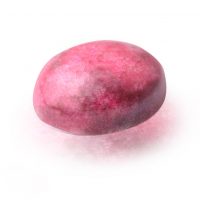
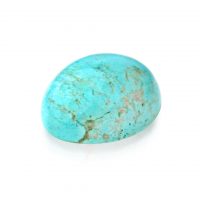
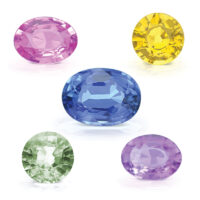
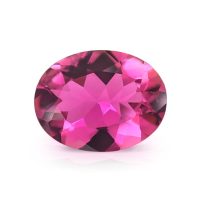
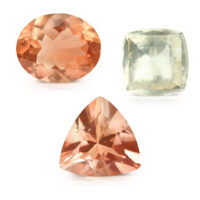
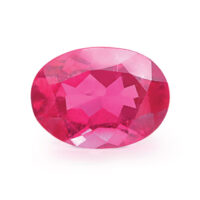
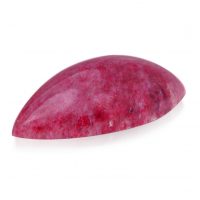
Enormously popular and one of the world’s bestselling gemstones, Tanzanite joined Turquoise and Zircon as December’s official birthstones in 2002. A variety of the mineral Zoisite, Tanzanite was christened by Henry B. Platt, former President and Chairman of Tiffany & Co., in tribute to the land of its birth. For Henry, ‘Blue Zoisite’ echoed ‘blue suicide’, yet he was fascinated by this gemstone, stating, “Tanzanite is the most important gemstone discovery in over 2,000 years.” In 1805, Abraham Gottlob Werner (1749 – 1817) described Zoisite, naming it after Sigmund Zois Freiherr von Edelstein (1747 – 1819), a Carniolan (modern‑day Slovenia) geologist, mineralogist, natural scientist, and nobleman. While technically a green variety of Zoisite, this gem is universally known in the trade as Green Tanzanite. Other Zoisite gemstones include Thulite, an opaque pink to reddish variety of Zoisite and Norway’s national gem; and Anyolite, derived from the Maasai word for ‘green’, the opaque apple‑green Zoisite, black Amphibole, and Ruby combination famously from Longido, also in Tanzania. Normally seen in gorgeous blues, bluish‑purples, and violets, Tanzanite’s different colors are due to varying amounts and ratios of chromium and vanadium. Although Tanzanite’s best velvety blues can rival the finest Sapphires, it also occurs in extremely rare and highly collectable fancy colors including golden, lilac, orange, peacock (blue & green), pink, and yellow. Similar to Sapphires, these hues are collectively described as ‘Fancy Tanzanite’, with prefixes used to denote specific colors. Even though Tanzanite’s discovery has been officially attributed to Ndugu Jumanne M. Ngoma by the Tanzanian government, popular legend connects the find to nomadic Maasai herdsmen. Apparently, they spotted beautiful blue Tanzanite crystals transformed from their original greyish‑bronze by a grass fire. Despite this story alluding to how Tanzanite’s colors transform when heated, can a grass fire really reach the temperatures (370 – 650 °C) needed? This matter was recently put to rest by highly regarded gemologist and gemstone adventurer Terry Coldham, BA (Geology), FGA, FGAA. Having never met anyone who had actually seen Tanzanite transform due to the heat of a grass fire, Terry decided to test the myth. After heating a selection of Tanzanite rough with a large quantity of dry grass, aided by a light breeze, it was obvious the gems had indeed turned blue. Manuel D’Souza staked the first Tanzanite claim, and legendary Scottish geologist Campbell Bridges, discoverer of Tsavorite, was the first person to bring Tanzanite to the GIA (Gemological Institute of America) for identification. The Maasai are a people forever linked to Tanzanite, and by sheer coincidence, they regard blue as a sacred spiritual color. Once bestowing blue beads and robes to women who had borne children, the Maasai have now adapted this tradition. Today, Maasai chiefs give Tanzanite to wives on the birth of a baby as a blessing for a healthy, positive, and successful life.
Rarity
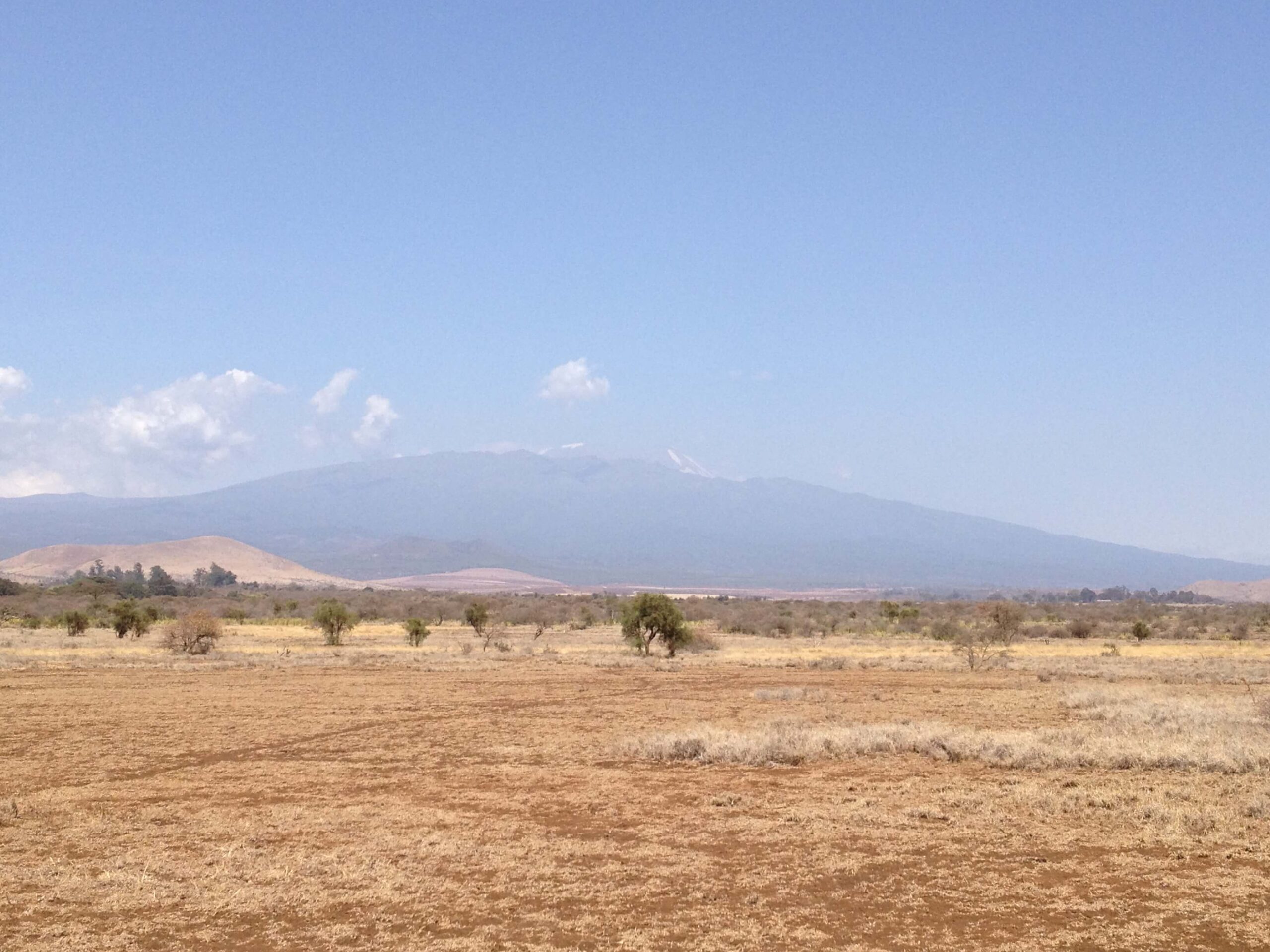
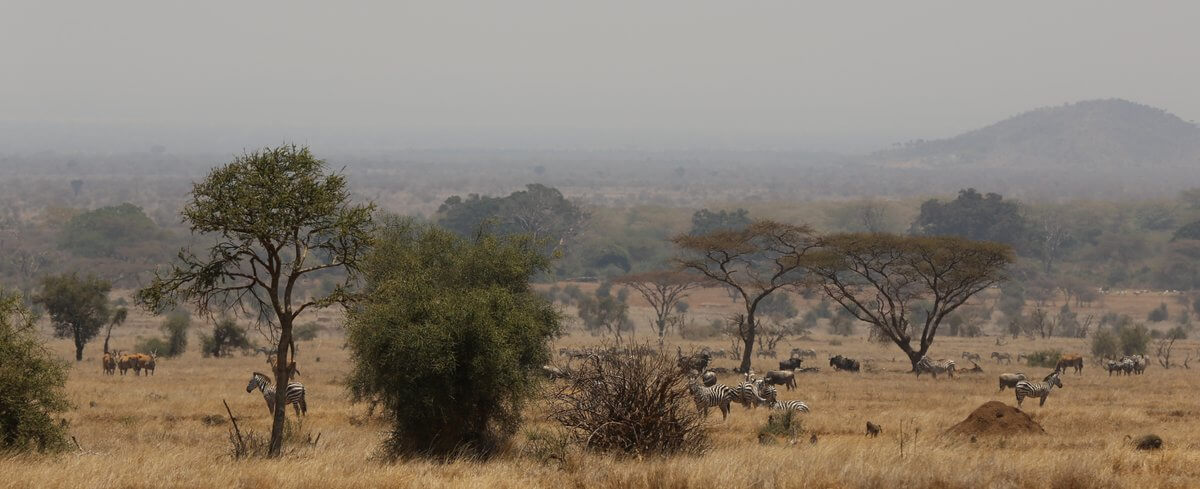
On the Great North Road, between the plains of the Serengeti and the foothills of Mount Kilimanjaro, lies the trading town of Arusha, gateway to the famous gemstones of north‑eastern Tanzania. Part of East Africa’s Great Rift Valley, this area is one of the greatest gem deposits on Earth. Tanzanite was discovered in 1967 at a geologically unique, sole deposit, not far from Arusha in the arid Merelani foothills that rise from the hot Sanya plains. Five hundred and eighty‑five million years ago, conditions at the Mozambique Metamorphic Belt created Tanzanite in a way so rare that there is less than a one‑in‑a‑million chance of it occurring anywhere else.
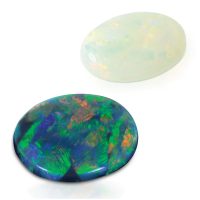
Given that Tanzanite’s sole deposit scarcely covers 20 square kilometers, it’s no surprise the gem is routinely described in the jewelry-world as “a thousand times rarer than Diamonds”. In fact, Tanzanite ranks ninth on the top‑ten list of the world’s rarest and most valuable gems: Painite¹, Alexandrite², Taaffeite³, Jadeite⁴, Red Beryl⁵, Black Opal⁶, Grandidierite⁷, Benitoite⁸, Tanzanite⁹, and Poudretteite¹⁰. While the odd included Blue Zoisite crystal has been found in Pakistan, and some very limited Kenyan ‘Tanzanite’ (Zoisite) has occasionally been unearthed, Tanzania remains the world’s only commercial deposit, segmented by the Tanzanian government into four blocks:
- A Block: Licensed to Kilimanjaro Mines Limited.
- B & D Block: Reserved for small‑scale miners, historically unearthing significant gemstones, with D Block quickly becoming famous for exceptional Tanzanite.
- C Block: Operated by TanzaniteOne Mining Company Limited, now in partnership with the state‑owned STAMICO.
Rapidly declining since the mid‑2010s, Tanzanite mining peaked in the late 20th century. In an August 2013 press release from the Tanzanite Foundation, a non‑profit organization dedicated to promoting Tanzanite, they stated, “At the current rate of mining, and given its single source and limited supply, it is estimated that there is less than 15 – 20 more years of Tanzanite left in the ground”. In a New York Times article dated 10th May, 2018, ‘Tanzanite, 50 Years Later’ by Melanie Abrams, she noted, “Experts disagree on how soon the world’s supply of Tanzanite will be exhausted, with some saying it is almost mined out”. With little activity in recent years, and the Tanzanian government canceling or suspending numerous mining licenses in 2024-25 due to dormancy and non‑compliance, the deposit’s decline has been further underscored.
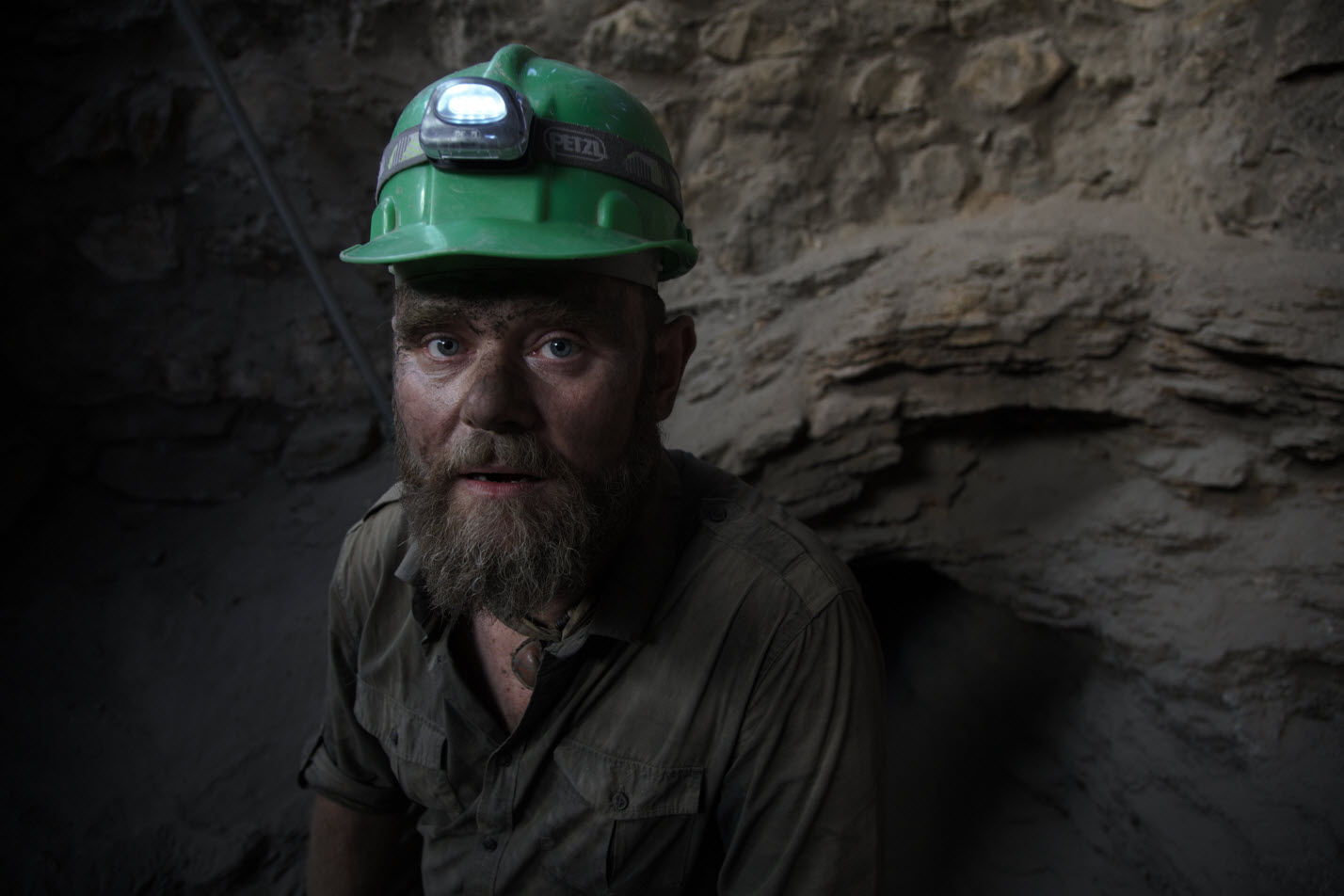
Despite this waning, our Green Tanzanite was mined from December 2025 to January 2026 at the acclaimed Karo Pit in D Block. Prospected before 1970, Karo established its reputation in the 80s and today remains a substantial open-pit mine, excavated to depths of around 150 meters. Famed for its significant geological finds and gemmy Tanzanite, Karo is best known for its highgrade, saturated Zoisite, sometimes with nearflawless, wellterminated crystals, as well as notable Apatite and gemquality Tsavorite. Green Tanzanite is easily differentiated from Apatite and Tsavorite using a dichroscope to verify its trichroic colors.
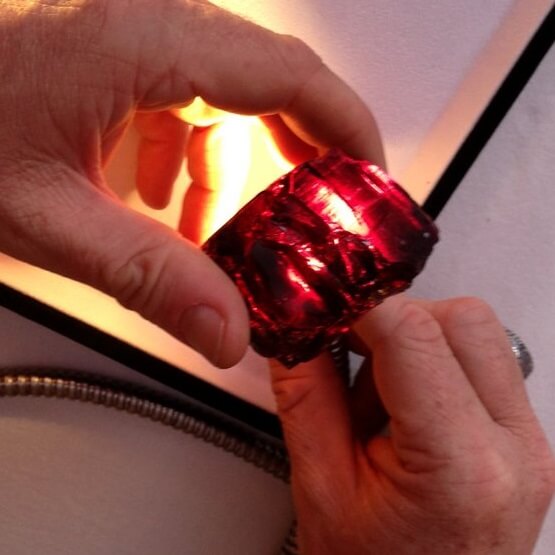
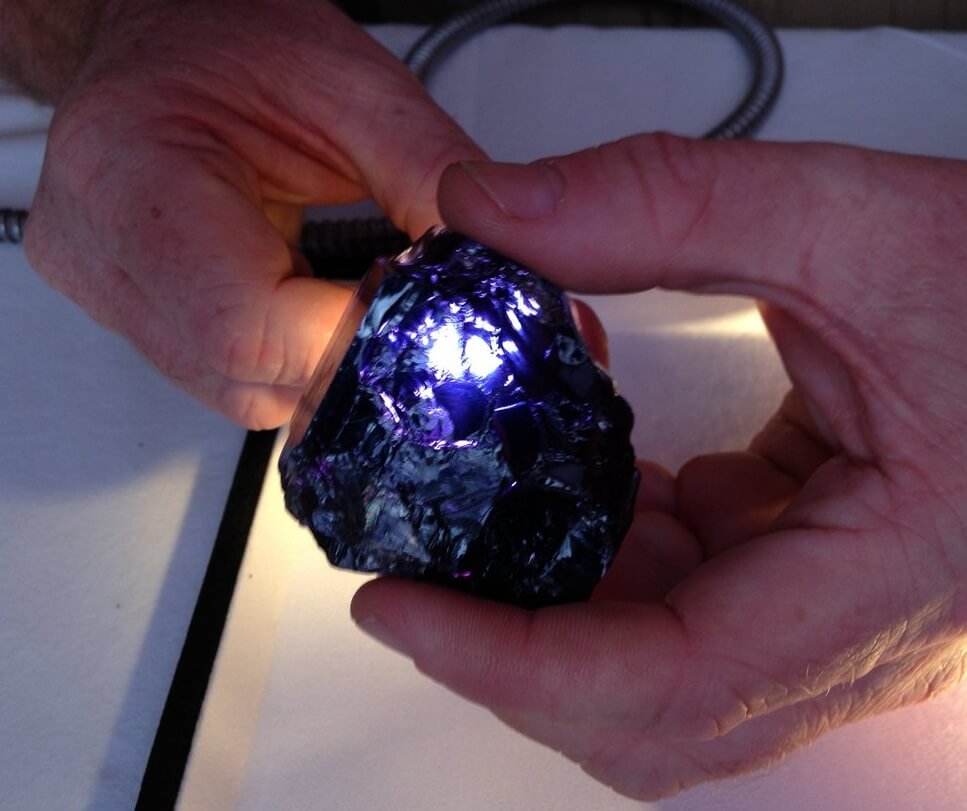
Our Green Tanzanite rough (uncut gemstones) was sourced from internationally renowned mineral trader Steve Ulatowski, who for over 40 years has been hunting some of the finest Kenyan and Tanzanian gem‑minerals direct from the source. His vertical integration ensures nothing is lost to unnecessary middlemen, affording excellent mine‑level value and fully assured provenance. Only securing around 120 grams of gemmy crystals, and with little chance of additional rough, this opportunity remains extremely limited. Assuming a typical gem‑mineral return of 20 – 35 percent, its cutting yield of 20 percent was in line with estimates, though rigorous quality control led to significant color and clarity rejection.
Tanzanite’s story is inseparable from its finite supply. In their Spring 1992 GEMS & GEMOLOGY article Gem-Quality Green Zoisite, N.R. Barot and Edward W. Boehm state, “Because the supply of these stones has been irregular since their discovery in early 1991, it is uncertain how much Green Tanzanite actually exists.” Occasionally found since the early 90s, Tanzanite’s rare greens are highly prized, yet remain exceedingly scarce, compared to the classic blue‑violets that define its identity. This extremely limited supply is not only due to geological scarcity and increasingly constrained mining, but also the accelerating depletion of historic reserves. With most Tanzanite traded in 2026 now sourced from old‑vault mining, industry analysts project that this dwindling supply could be exhausted within two decades across all grades, with finer AAA and fancy colors disappearing far sooner.
Unlike its better‑known colors that are usually heated to improve their appearance, Green Tanzanite remains one of the few gemstones that are entirely natural and unenhanced, accentuating desirability, rarity, and value. If traditional Tanzanite is thought to be “a thousand times rarer than Diamonds”, how much rarer still is Green Tanzanite? This reality underscores Tanzanite’s position as a once‑in‑a‑lifetime gemstone. As Green Tanzanite and other fancy colors remain exceptionally scarce, their allure is magnified by the knowledge that each crystal embodies a fragment of a vanishing gemological legacy.
Durability & Care
A popular jewelry gemstone well‑suited to everyday normal wear, Green Tanzanite (Mohs hardness 6.5 – 7) should always be stored carefully to avoid scuffs and scratches. Clean gently with mild soap and lukewarm water, carefully scrubbing behind the gem with a very soft toothbrush if needed. After cleaning, pat dry with a soft towel or chamois cloth.
Map Location
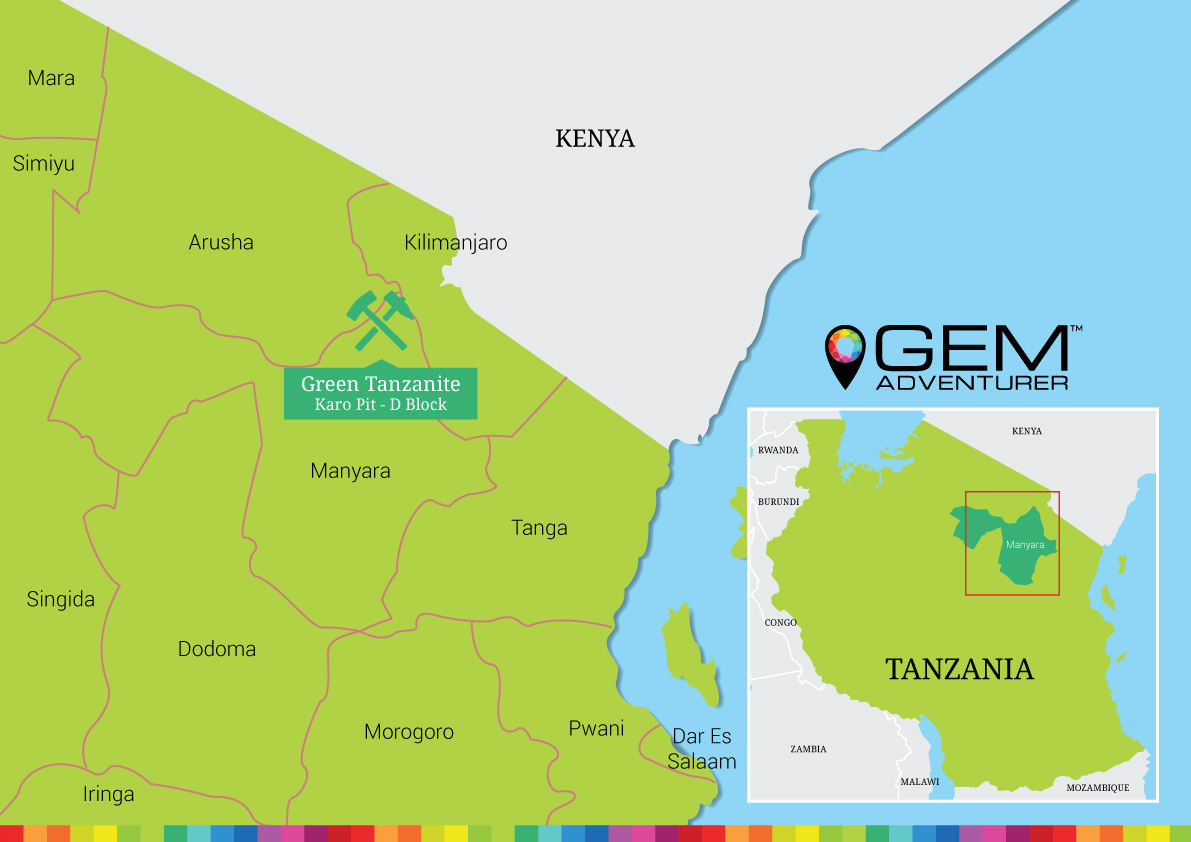
Click map to enlarge