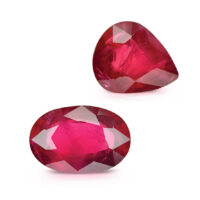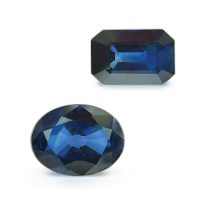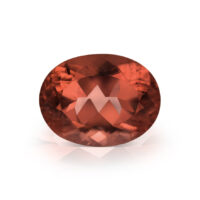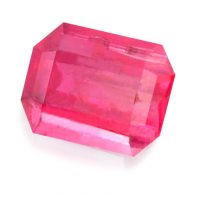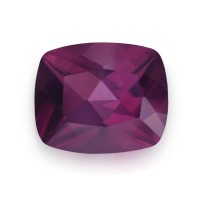
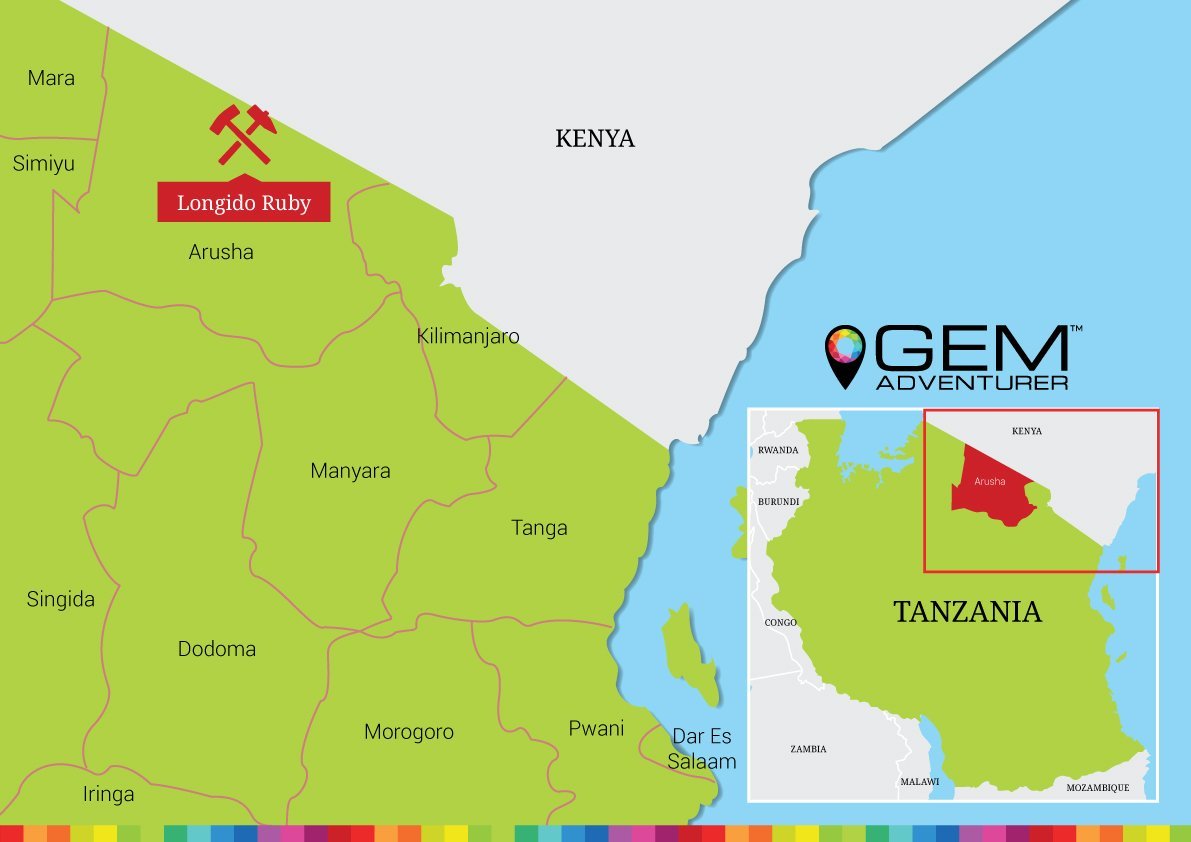
On the Great North Road, between the Serengeti plains and the foothills of Mount Kilimanjaro lies Arusha, gateway to northeastern Tanzania’s famed gem minerals. Home to some of the world’s finest gemstones, it forms part of East Africa’s Great Rift Valley, among our planet’s greatest gem localities. July’s birthstone, Ruby embodies love, passion, and romance, with a rich history, potent symbolism, and popularity spanning over 2,500 years. The “classic” African Ruby origin, Longido (lon-GEE-doh) in Tanzania’s renowned Arusha Region, has gifted gorgeous, gemmy Rubies for over a century.
Hardness 9
Refractive Index 1.762 – 1.778
Relative Density 3.97 – 4.05
Enhancement Heat with Residue
Beauty
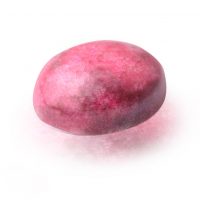
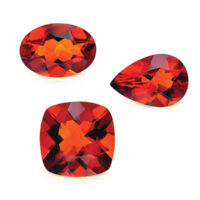
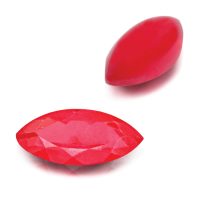
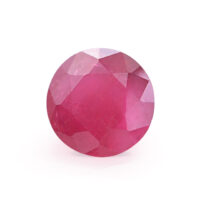
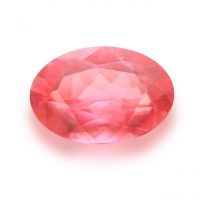
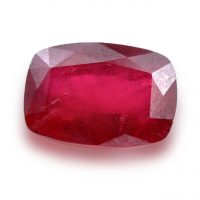
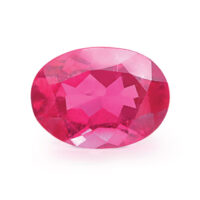
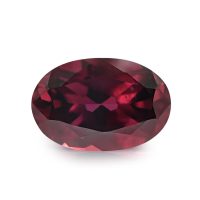
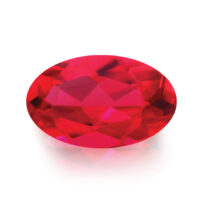
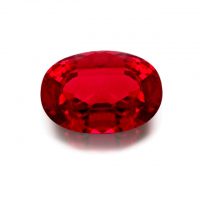
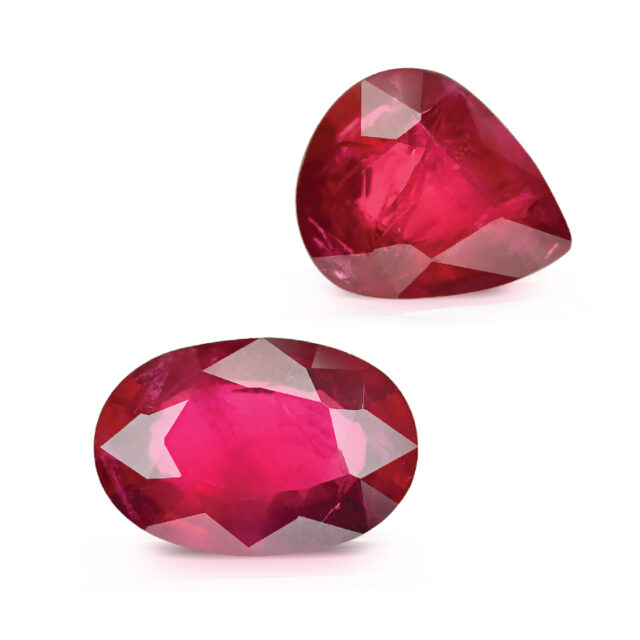
Longido Rubies display bright, intense iconic crimson reds with a highly‑desirable medium saturation (strength of color) and tone (lightness or darkness), the marketplace ideal. Prized for color consistency, Longido Ruby appears beautiful in both natural and incandescent light, a rare gemological ideal. This is unlike their Corundum cousin, Blue Sapphire, which falters under incandescent light. Longido Rubies range from bright red to purplish‑red, similar to high‑quality Mozambican Ruby, with occasional medium‑red fluorescence under long‑wave ultraviolet (UV) light and weak‑red under short‑wave ultraviolet (UV) light, enhancing beauty. Although some Rubies strongly fluoresce in natural light, Cambodian, Thai, and Songea Rubies from Tanzania lack this trait due to their high iron content.
Visually pure reds are highly valued, yet Rubies are dichroic pleochroic gemstones (two‑colored: purplish‑red and orangey‑red), meaning even the finest Rubies are only around 80 percent pure, with secondary orange, pink, purple, or violet hues. Rubies are among the world’s most expensive gems, but as usual, quality determines price. With Rubies coming in many different colors and sizes, personal preference should be the ultimate concern. Although color is subjective, for professionals the intensity and purity of Ruby’s signature reds remain the primary factor in determining value.
As transparency and inclusions also affect Ruby’s color and subsequent beauty, Ruby is clarity‑classified by the GIA (Gemological Institute of America) as a Type II gemstone (some minor inclusions that may be eye‑visible). To maintain beauty and quality, our Longido Rubies have been optimally faceted in the legendary gemstone country of Thailand (Siam), home to some of the world’s finest Corundum lapidaries. Each crystal was carefully oriented to maximize color and brilliance, maintaining a high polish (accentuating its vitreous, glassy luster), as well as an attractive overall appearance (outline, profile, proportions, and symmetry). Possessing good Ruby clarity, ours are moderately included, with minor inclusions visible to the unaided eye, characteristics that do not negate beauty or value. Optimal lapidary in Ruby reduces color unevenness due to zoning (location of color in the crystal versus how the gem is faceted) and excessive windowing (areas of washed‑out color in a table‑up gem, often due to a shallow pavilion).
Due to the nature of Longido Ruby crystals, most rough is less than 5mm, with faceted gems well under a carat, i.e. 2mm – 6x4mm sizes. Longido Ruby’s small sizes, combined with their consistent color, make them perfect for affordable multi‑gem designs, when available.
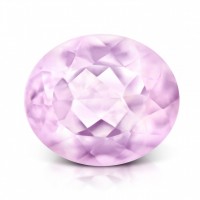
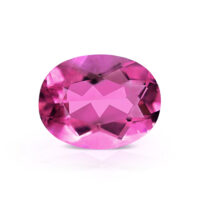
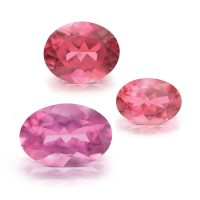
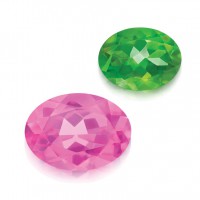
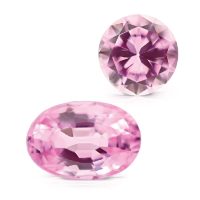
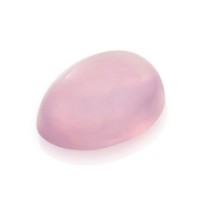
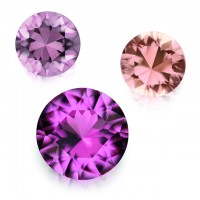
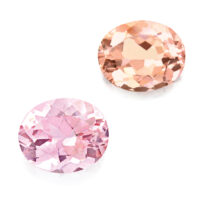
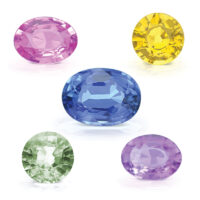
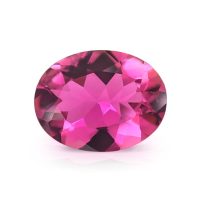
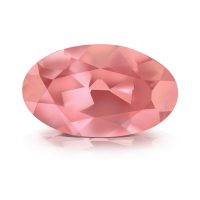
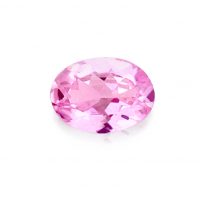
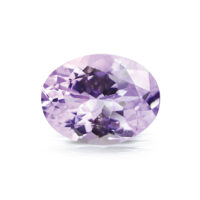
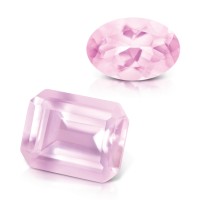
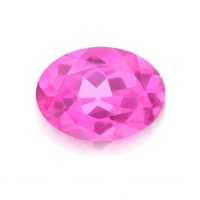
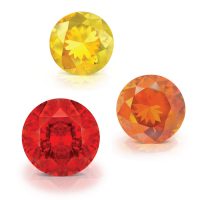
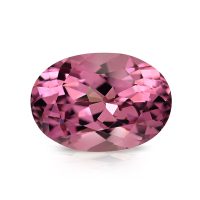
Named from the Latin ‘ruber’ (red), Ruby and Sapphire are color varieties of the mineral Corundum (crystalline aluminum oxide), which derives its name from the Sanskrit word for Ruby, ‘kuruvinda’. Other colored (allochromatic) gems, trace amounts of elements such as chromium, iron, and titanium, as well as color centers, are responsible for Corundum’s rainbow of colors. Pink Sapphires are colored by chromium traces, the same element that makes Rubies red, with higher concentrations resulting in more intense colors. Ranging from pastel pinks to deep vivid pinks, sometimes with secondary oranges or purples, Pink Sapphire’s more intense colors are often identified by prefixes such as ‘AAA’, ‘fuchsia’, ‘hot’, or ‘magenta’. Pink Corundum was historically considered Ruby in Asia, but due to the immense popularity Pink Sapphire has garnered over the last 40 years, this term is now recognized globally. Pink Sapphires are differentiated from Rubies by saturation and tone; one of the select gems that change nomenclature based on color intensity. As red and pink are technically the same color, only varying in saturation and tone, and because Rubies are worth more than Pink Sapphires, arguments over where pink stops and red begins can occur. In 1989, the International Colored Gemstone Association (ICA) stated: “Pink is really just light red.” The ICA resolved that light shades of the red hue should be included in the Ruby category, since legislating where red ended and pink began was impractical. Accordingly, pink shades are described as Pink Ruby or Pink Sapphire. Today, Ruby is defined by red; lighter tones are classified as Pink Sapphire. Though both are Corundum, Ruby’s identity rests on its red hue, while Pink Sapphire sits outside that boundary. Many red gems were called ‘Ruby’ until the development of scientific gemology in the 18th century. During antiquity, Ruby, Garnet, Spinel, and other red gemstones were collectively called ‘carbunculus’ (“little ember” in Latin). Known as ‘anthrax’ (live coal) to the ancient Greeks, these gemstones were beautiful deep red gems that became the color of glowing coal embers when held up to the sun, noting that Sri Lankan Rubies may have been available to the Greeks and Romans as early as 480 BC through ancient trading routes. Carbunculus is ‘carbuncle’ in English, and this word was also once used to describe all red gemstones. For example, in the King James Bible, Ruby and its namesake ‘carbuncle’ score several mentions. Unsurprisingly, the historical allure and myths surrounding one of the most precious gems are as colorful as its beautiful red hues. The mighty “Rubinus Lapis,” the red stone, Ruby is also the oriental “Gem of the Sun,” and as mentioned in Sanskrit texts, ancient Hindus were so enchanted by the color of Rubies that they called them Ratnaraj, “the King of Gems.” Ancient Indians believed Ruby to possess an internal fire that not only endowed long life but could even help bring the kettle to the boil. In the Middle Ages, Rubies, like many other gems, were believed to possess prophetic powers, deepening in color if bad moons were rising. Worn by ancient Burmese as a talisman to protect against illness, misfortune, or injury (not surprising, considering their blood‑like color), Rubies were once known as “blood drops from the heart of Mother Earth.” In the 19th century, Ralph Waldo Emerson penned one of his famous poems, describing Ruby as “drops of frozen wine from Eden’s vats that run” and “hearts of friends, to friends unknown.” A couple of antique terms used to describe Ruby color that are still sometimes used include ‘pigeon blood’ (a rare and valuable, traditionally Burmese Ruby color, now somewhat surprisingly a recognized trade term, albeit frequently misused) and ‘beef blood’ (an obsolete descriptor for richer reds, sometimes reminiscent of Garnets).
Rarity
Embodying breathtaking beauty, genuine rarity, and everyday durability, Rubies are among the world’s most enduring, coveted and valuable gems. Far scarcer than Diamonds, Rubies are one of the world’s most expensive gems, and the red member of the ‘Cardinal Four’ gemstones, along with Diamond, Emerald, and Sapphire. Mined from both primary and secondary deposits, Rubies and Sapphires form in igneous and metamorphic rocks, with origins including Afghanistan, Cambodia, China, India, Greenland, Kenya, Madagascar, Mozambique, Myanmar (Burma), Pakistan, Sri Lanka (Ceylon), Tanzania, Thailand, and Vietnam. A major international gemstone hub, Thailand is the transit point for 80 – 90 percent of the world’s Rubies, and around 70 percent of the world’s Sapphires, as they journey around the globe.
East Africa’s largest country and home to Africa’s highest peak (Mount Kilimanjaro), Tanzania is also a vital source for Corundum. Located alongside the mineral‑rich fields and mountains of Mozambique and Zambia, Tanzania’s abundance of gemstones, and specifically Corundum, is geologically due to the Mozambique Orogenic Belt, one of the world’s richest gem‑bearing formations. Orogeny is the process of mountain formation, usually by the earth’s crust folding. Longido Ruby’s discovery occurred during the Battle of Longido (1914–1915), also referred to as the Battle of Merkerstien. Fought under the shadow of Mount Longido, between the British and Germans, a German soldier reportedly, “glimpsed a bright red stone, a Ruby.” Returning after the war, he founded a mining company in 1924, which operated sporadically until its closure in 1971. Reopening in 1988, the mine is operated by the Longido Gemstone Mining Company. Longido is Tanzania’s first Corundum discovery, and likely the first gemstone deposit discovered in East Africa. Other Tanzanian Ruby deposits include Morogoro (1970), Mahenge (1986), Songea (1991), and Winza (2007).
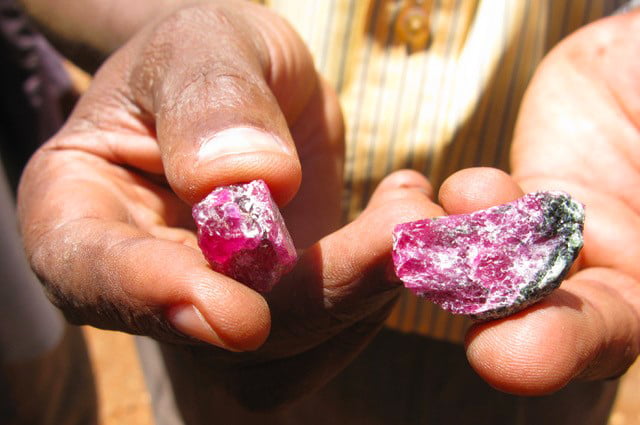
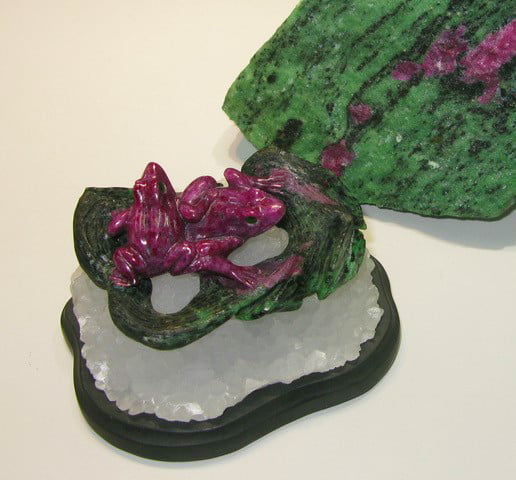
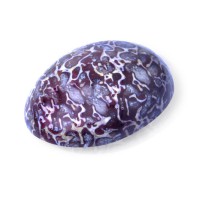
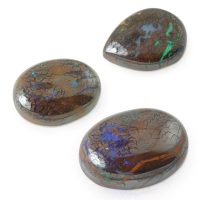
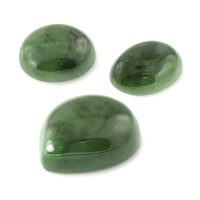
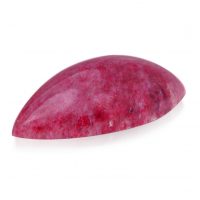
Longido Ruby has uniquely formed as hexagonal red crystals embedded in Anyolite. Derived from the Maasai word for ‘green’ (Anyoli/Anyore), Anyolite is an opaque fusion of apple‑green Zoisite, black Amphibole and Ruby, unique to Longido. Well known for “Ruby‑in‑Zoisite,” its Ruby crystals in a bright green matrix are hugely popular in both striking cabochons and carvings, maximizing their beautiful all‑natural color and patterns. The best Ruby is found in the lighter Anyolite, with the darker rocks yielding deeper brownish‑reds, somewhat similar to Indian Ruby. This, combined with the marketplace prevalence of “Longido Ruby‑in‑Zoisite,” leads the uninitiated not to associate this deposit with fine-quality Rubies.
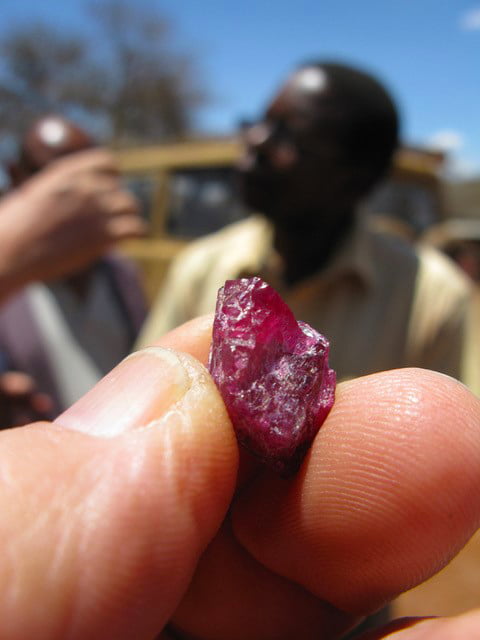
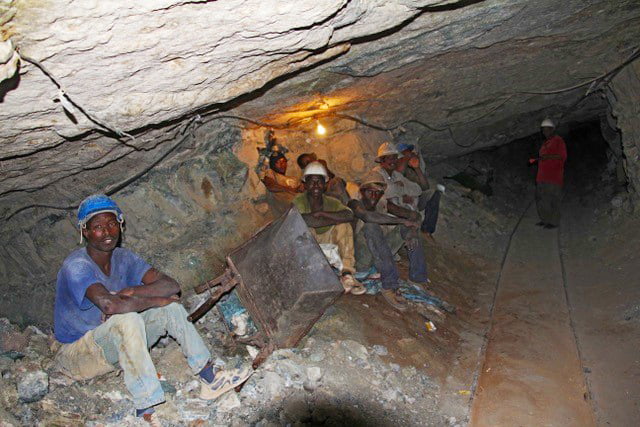
Once Rubies are hammered free of the Anyolite, cobbling is used to remove the heavy inclusions (typical of crystals embedded in their host rock) until they transmit light. Mining is labor-intensive, with one metric ton of Anyolite yielding only 80 carats of usable Ruby; one percent is cabochon grade, the rest is suitable only for carving – facetable historically too scant to note.
A new pocket of high‑quality facetable Longido Ruby from this famous locale was unearthed in 2016 – 2017, dramatically increasing the temporary availability of fine Longido Ruby. Interestingly, the discovery went largely unnoticed by many gemstone professionals, but for those aware, it marked the first time facet‑grade Longido Ruby appeared in quantity. Many connoisseurs were initially unaware, yet recognition quickly followed due to its beauty, consistency, clarity, size, and value. With this amazing pocket now long-depleted, new, limited Longido rough (uncut gemstones) continues to sporadically appear from the mine. These crystals are recovered by cobbling previously mined Anyolite and scouring old tailings (leftover mining waste) for gemmy Ruby overlooked, significantly limiting availability. Unlike the 2016 – 2017 pocket, Longido Ruby crystals today almost universally require high‑temperature enhancement to reach their full potential, the current marketplace norm. Once again challenging, Longido Ruby remains exceptional value compared to similar Rubies from better‑known locales.
Defined as any process other than cutting that improves a gem’s appearance, durability, value, or availability, about 90 percent of gemstones in the marketplace have been enhanced in some manner. As these processes have become an important part of the modern gem industry, enhancements are acceptable as long as they are disclosed, permanent, and stable. Gemologists can often spot indications of gemstone enhancements, but advanced scientific testing is frequently required for confirmation and absolute certainty. Becoming malleable around 1,900°C and melting at ~2,050°C, Rubies can withstand incredible temperatures and are permanently heated to alter their color and/or improve color uniformity and appearance. Rubies also have no cleavage (i.e. very high toughness), allowing them to endure high temperatures with an acceptable breakage risk.
Heating Rubies to improve clarity or develop color has been used in some form for hundreds, if not thousands of years. Likely practiced in the sub‑continent over 4,000 years ago, heating is one of the earliest known gemstone enhancements. Early references to the heating of gemstones include Pliny the Elder’s Naturalis Historia (c. 77 AD) and two Egyptian papyri dating to the third or fourth century AD. The scientist Abu Rayhan al‑Biruni not only developed the specific gravity scale to identify gemstones, but in his Kitab al‑Jawahir (The Book Most Comprehensive in Knowledge on Precious Stones, circa 1048 AD) described in detail the 1,100°C heating of Corundum to remove dark areas. Interestingly, this is basically one of the same methods still used today. Referred to as ‘traditional’ or ‘standard’ heat, modern low‑temperature enhancement involves heating Rubies to 1,200°C – 1,700°C for anywhere from one to 36 hours, repeated to achieve the desired results.
Almost all Rubies are heated, but this is not always a simple ‘traditional’ process that originates in antiquity, with new techniques continuously being developed (e.g. heating with pressure, circa 2009). Often a sophisticated process perfected by experienced specialists over decades, high‑temperature heating can notably change a Ruby’s original appearance (and value). Rubies that have been heated with additives should be disclosed, and not simply described as ‘heated’.
An increasingly necessary and commonly used enhancement, these Longido Rubies were high‑temperature heated. Though arguably less romantic than older techniques, this process is permanent and stable under normal wear, and generally accepted with disclosure. Also called ‘flux‑healed’, this high‑temperature enhancement almost heats Corundum to its melting point (~2,050°C), requiring insulation in aluminum, borax, or silica flux. As the gem cools, residues may remain on surfaces, within fractures, or sometimes encased inside. While the gems are washed after treatment to remove these, the process does not always eliminate all residues. Far less impactful on Ruby value than lead‑glass filling, this is nonetheless a more significant enhancement than standard, residue‑free heat treatment and should always be disclosed.
Durability & Care
The world’s second hardest gemstone, Longido Ruby (Mohs Hardness: 9) is an excellent choice for everyday jewelry. Longido Ruby should always be stored carefully to avoid scuffs and scratches. Clean with gentle soap and lukewarm water, scrubbing behind the gem with a very soft toothbrush as necessary. After cleaning, pat dry with a soft towel or chamois cloth.
Map Location
Click map to enlarge