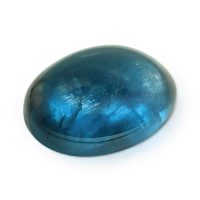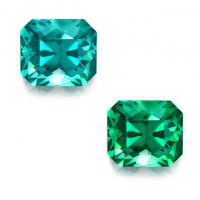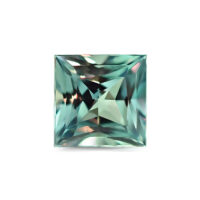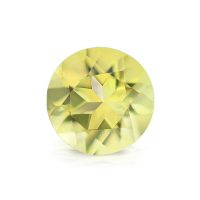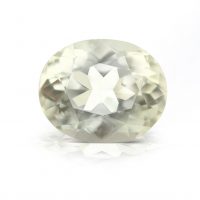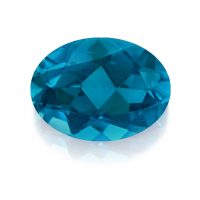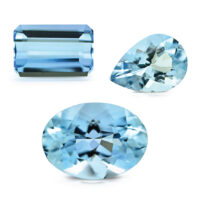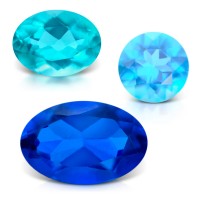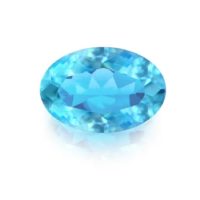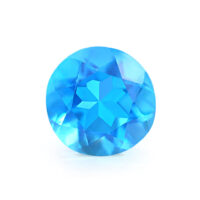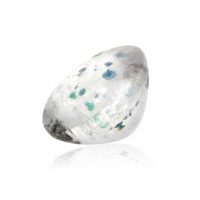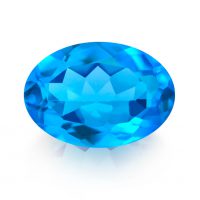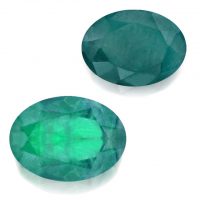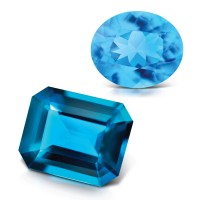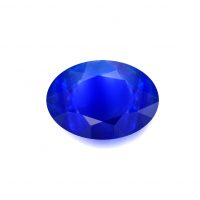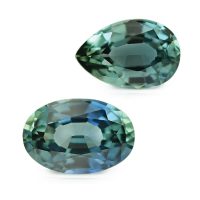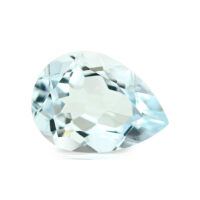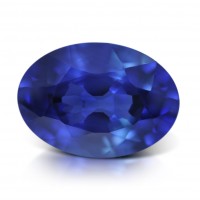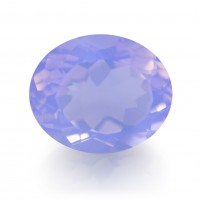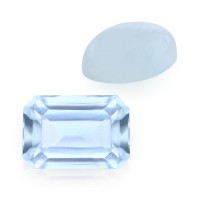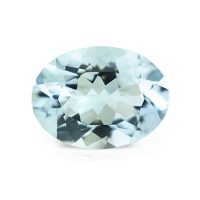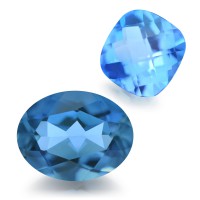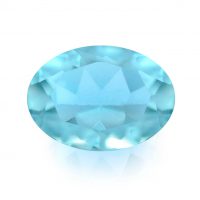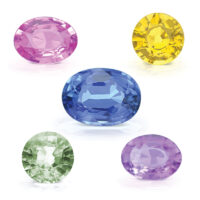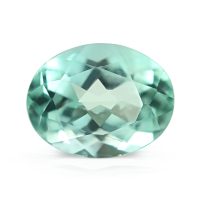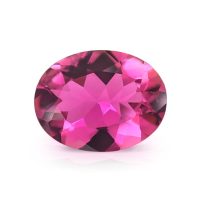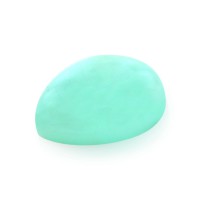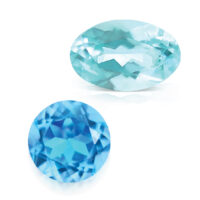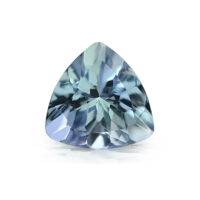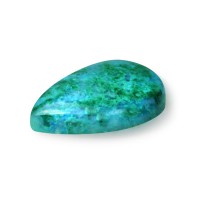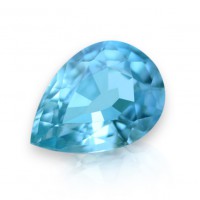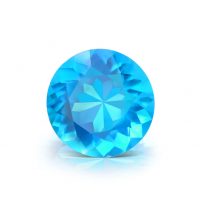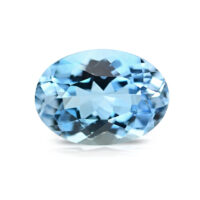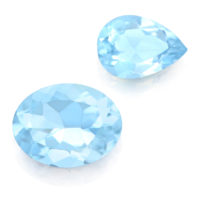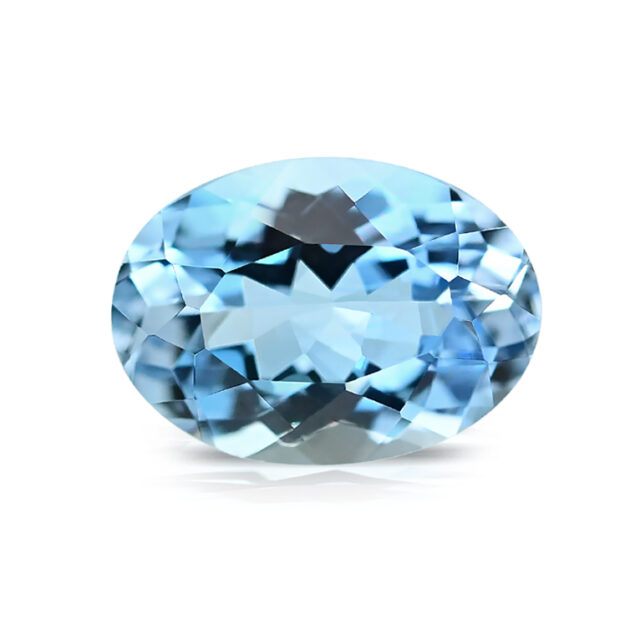
Prized by Egyptians, Greeks, and Romans for its oceanic air, March’s birthstone Aquamarine remains hugely popular. While quintessential pastels are Aquamarine’s norm, its more intense blues are extremely beautiful, exceedingly scarce, and highly valued. Synonymous with its revered deep blues, Brazil’s famous Santa Maria de Itabira Aquamarines were discovered in the 50s. Now virtually depleted, ‘Santa Maria’ colors in scant quantities are also intermittently found in Africa. Showcasing signature, rich robin’s‑egg blues, our Santa Maria Afrique Aquamarines are from Mozambique’s celebrated Zambezia Province, wonderfully embodying this coveted pedigree.
Hardness 7.5 – 8
Refractive Index 1.562 – 1.602
Relative Density 2.71 – 2.90
Enhancement Heat
Beauty
Ranging from pastel to intense deep blues, sometimes with splashes of green, Aquamarine is a Beryl sister gem to Emerald and Morganite. Aquamarines’ typical “classic” pastel blues are the marketplace standard, yet stones of greater saturation (strength of color) and tone (lightness or darkness) indicate a tremendously rare, fine gem‑quality that is extremely valued and collectable. With excellent brilliance, high clarity/transparency, and vitreous (glassy) luster, Aquamarine’s color, along with deft lapidary, are the key value determinants.
Santa Maria Afrique Aquamarine displays beautifully intense, pure blues with a highly desirable medium to medium‑dark saturation and tone — the marketplace ideal. Stunning azures shine regardless of eye color or complexion, distinctly exclusive compared to Aquamarines’ more usual hues, enhancing desirability and value. Their signature color, combined with exceptional brilliance and wearability, make them an excellent and popular jewelry gemstone.
As color is the most important consideration for Aquamarine, expert lapidary that accentuates color is absolutely critical. These Santa Maria Afrique Aquamarines were optimally faceted in the internationally acclaimed Indian gemstone town of Jaipur, home to some of the world’s finest Beryl lapidaries. Each crystal was carefully oriented to maximize colorful brilliance and scintillation (play of light), maintaining eye‑clean clarity (the highest quality clarity grade for colored gemstones, as determined by leading gemological laboratories), a high mirror‑like polish (accentuating its vitreous luster), and an attractive overall appearance (outline, profile, proportions, and symmetry).
Coined by the Romans over 2,000 years ago, Aquamarine literally means “water of the sea” in Latin, from the words aqua (water) and marina (sea). Aquamarine is a member of the Beryl mineral family, named for the ancient Greek ‘beryllos’, blue‑green stone. Commonly known as the “mother of gemstones” because of its highly‑regarded varieties, Beryl is colorless, with trace elements responsible for its beautiful hues. Aquamarine is colored by trace amounts of both ferrous (Fe²⁺) and ferric (Fe³⁺) iron in its crystal structure. While ferric iron replacing aluminum in Beryl gives a yellowish color, and ferrous iron blue, together they typically cause bluish‑greens. Apart from its blues, other Beryl gemstones include Emerald greens, Golden Beryl yellows, Goshenite whites (colorless), Heliodor greenish‑yellows, Morganite pinks, and Red Beryl reds. Predictably given its color and name, one myth says Aquamarine originated from treasure chests hoarded by magnificent mermaids. In antiquity, Aquamarine was praised for protecting sailors from the wrath of Poseidon (Greek god of the sea, Neptune in Roman mythology), guaranteeing safe voyages. Worn as amulets to instill bravery, these talismans could be thrown overboard as offerings to cool Poseidon’s temper, calming storms. Unsurprisingly, Aquamarine was also regarded by the ancients as fostering calmness, purification, serenity, tranquility, and wisdom.
Rarity
Prior to its modern African discoveries (circa 1830), Brazil and Russia unearthed the finest‑quality Aquamarines. Brazil remains a notable source, while Madagascar, Mozambique, Nigeria, and Zambia also yield beautiful Aquamarines. More recently, stunning Aquamarines have been found in Afghanistan and Pakistan, offering hope for the region’s future mining potential.
While Aquamarine is hugely popular, and a gem most people immediately find attractive, its more intense blues are extremely beautiful and genuinely rare, commanding significant prices. Forever associated with its prized deep‑blue Aquamarines, Brazil’s famous Santa Maria de Itabira deposit was discovered in the 50s in Minas Gerais (General Mines), an esteemed Brazilian state renowned internationally for its fine gemstones. Today virtually depleted, with only sporadic small‑scale mining, Brazilian Santa Maria Aquamarines were last unearthed in 2021. ‘Santa Maria’ colors in scant quantities are also intermittently found in Mozambique (circa 1991) and in other African countries such as Madagascar and Zambia, resulting in the trade prefixes, ‘Santa Maria Africana’ and ‘Santa Maria Afrique’. Collectively called ‘AAA’ or ‘Double Blue’, Aquamarines’ greatly valued deeper hues are rarely found gemmy from any locale, keeping prices high.
Mined in the early 2000s, our Santa Maria Afrique Aquamarine is from the Alto Ligonha District in Mozambique’s Zambezia Province, a region whose rare mineral‑bearing granite pegmatites (coarsely crystalline igneous rocks) are acclaimed for their fine gemstones. Santa Maria Aquamarines of any origin are currently experiencing increased demand, particularly with custom jewelers and designers, especially in 3–5 carat sizes. Incredibly scarce, Santa Maria Afrique Aquamarine’s greater intensity indicates a rare, fine‑quality that is exceedingly valued and deeply prized.
Well over 90 percent of Aquamarines available in the marketplace are heated to permanently improve their color (i.e. removing greens or yellows for a purer blue). When enhanced by relatively low heat (approximately 400°C) in a reducing (oxygen‑free) environment, Aquamarine’s ferric iron converts to ferrous iron, making bluish‑greens bluer, with higher temperatures potentially causing discoloration. While heating can result in an almost pure blue Aquamarine when successful, this does not always work, even after several attempts.
Durability & Care
Santa Maria Afrique Aquamarine (Mohs hardness: 7.5 – 8) is an excellent choice for everyday jewelry. Always store Santa Maria Afrique Aquamarine carefully to avoid scuffs and scratches. Clean with gentle soap and lukewarm water, scrubbing behind the gem with a very soft toothbrush as necessary. After cleaning, pat dry with a soft towel or chamois cloth.
Map Location
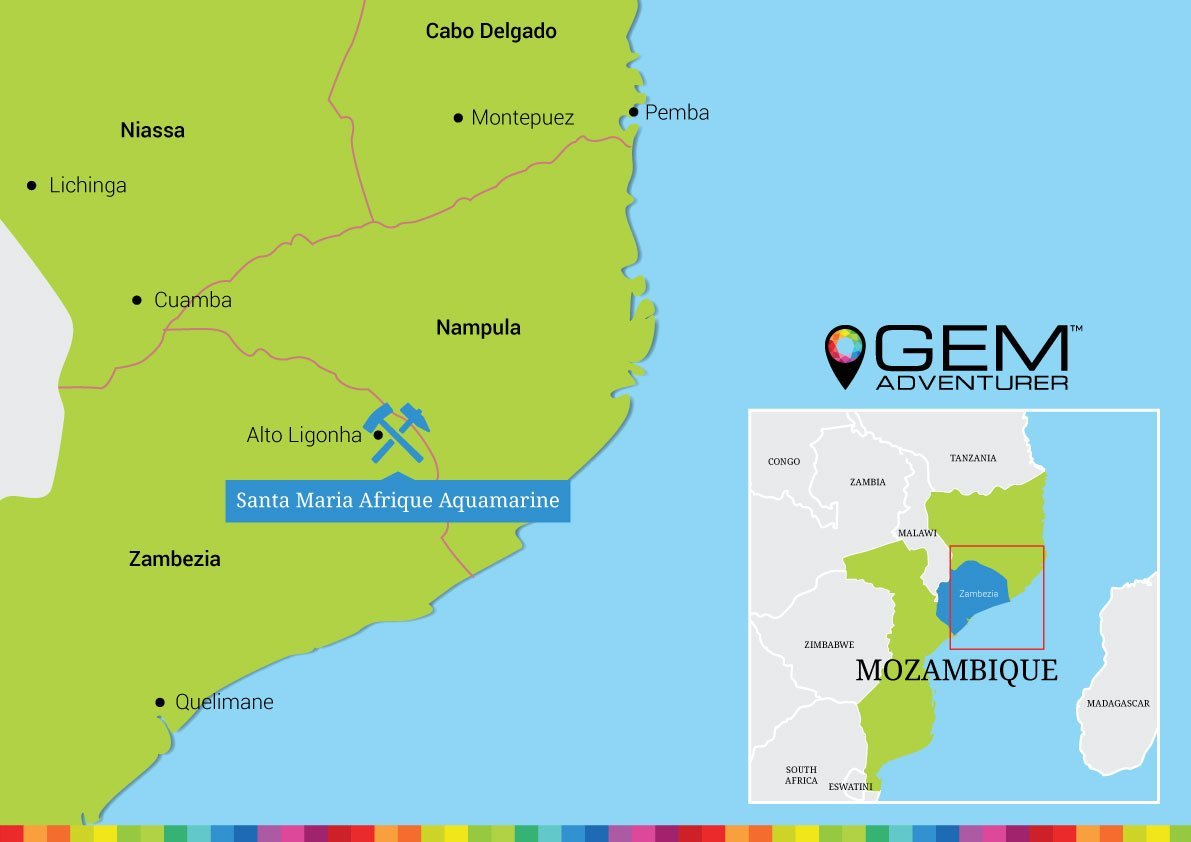
Click map to enlarge