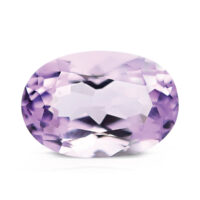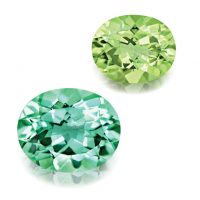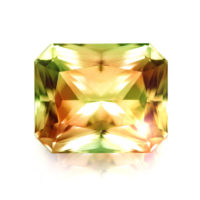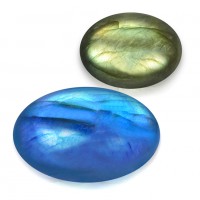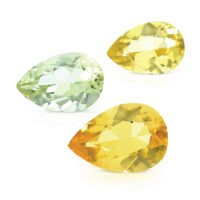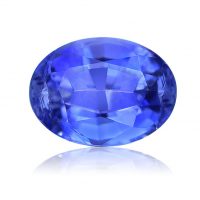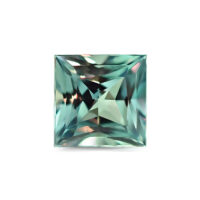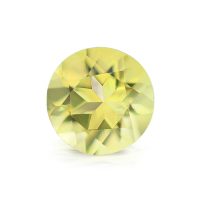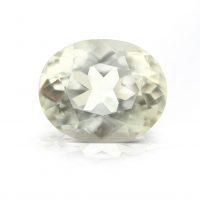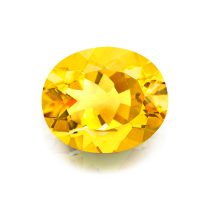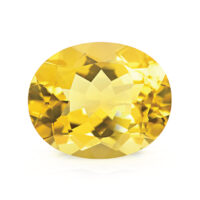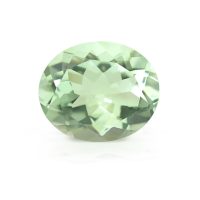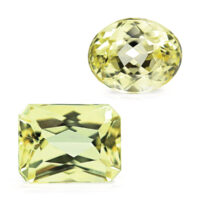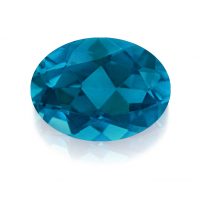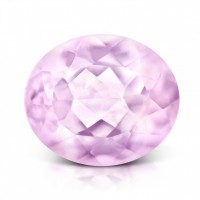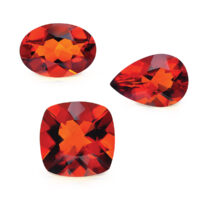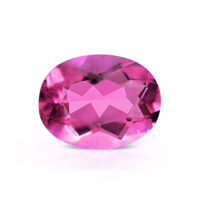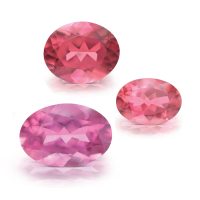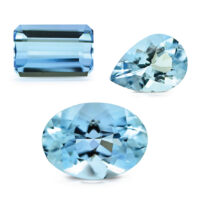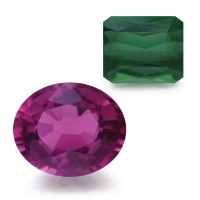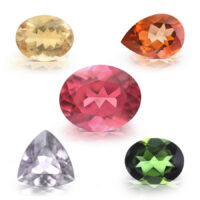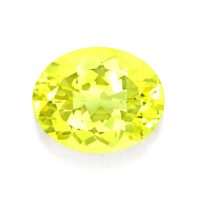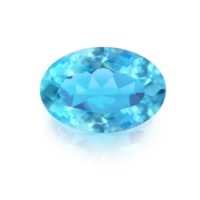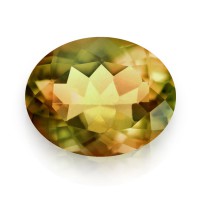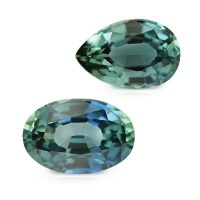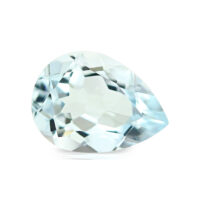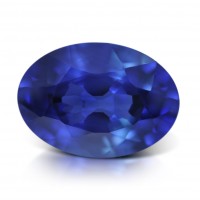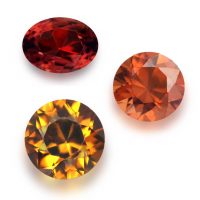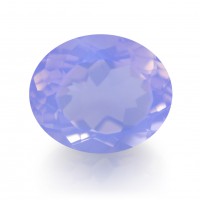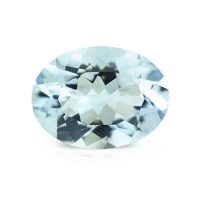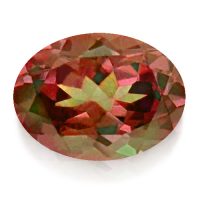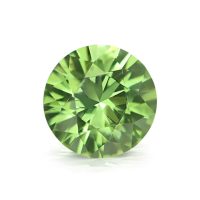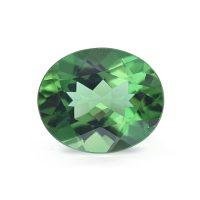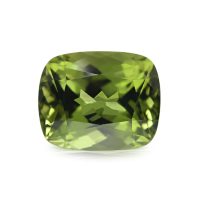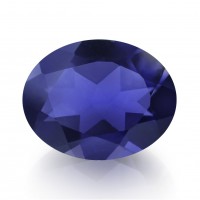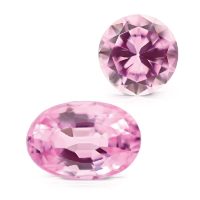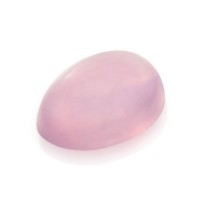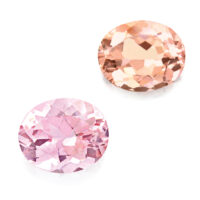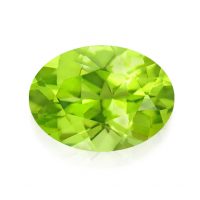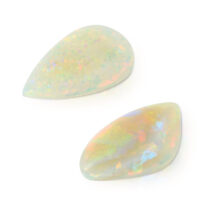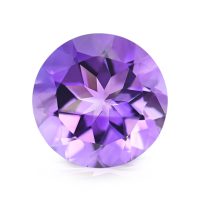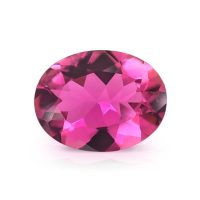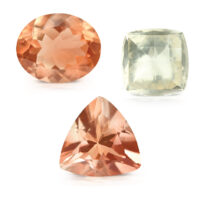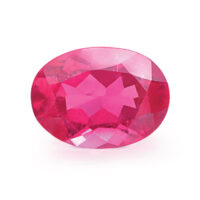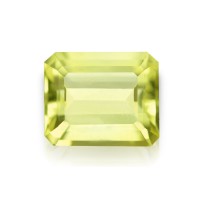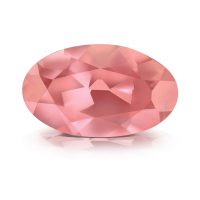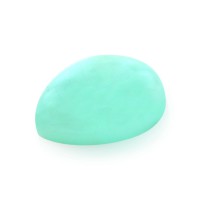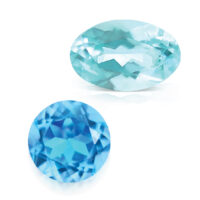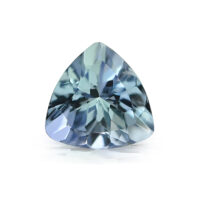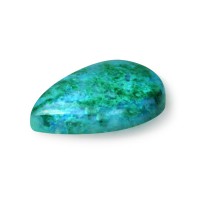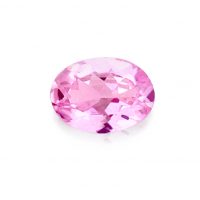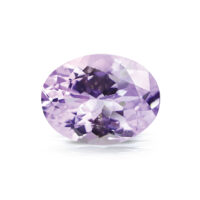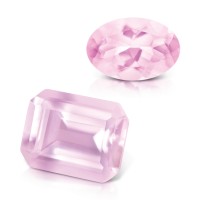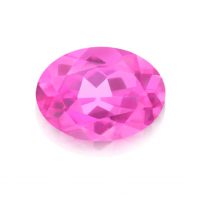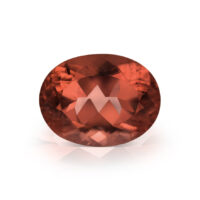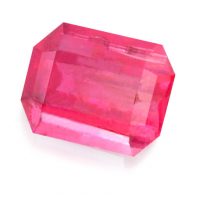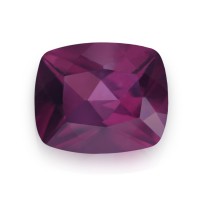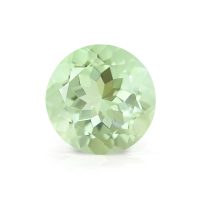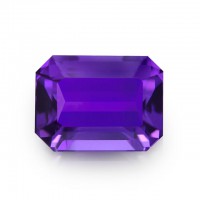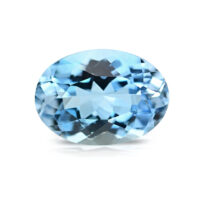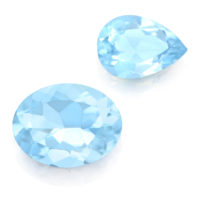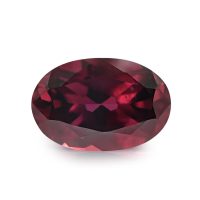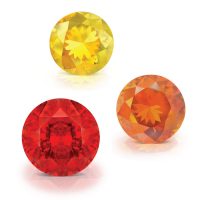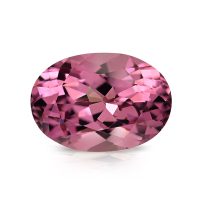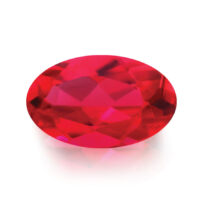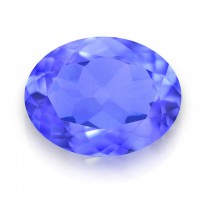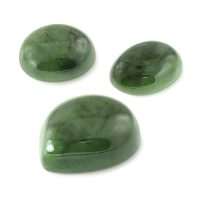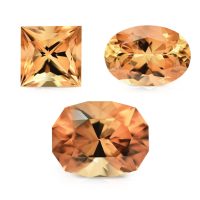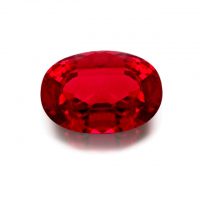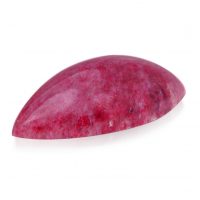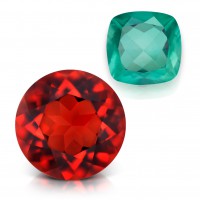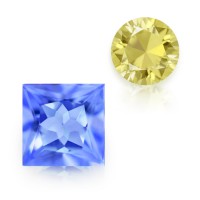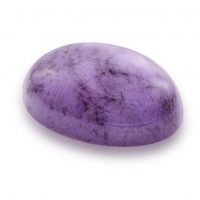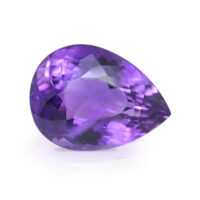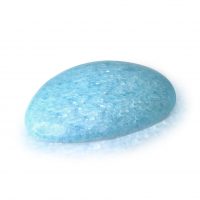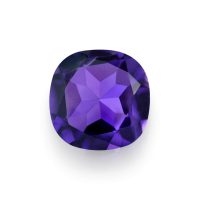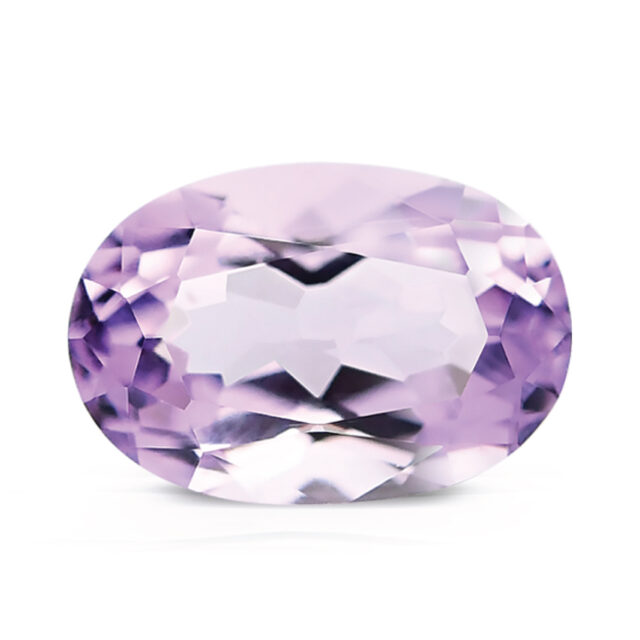
Despite its beautifully brilliant colors and jewelry appeal, Scapolite remains a rare exotic, unfamiliar to most connoisseurs, due to the extreme scarcity of its gemmy crystals. Afghani Purple Scapolite comes from Sar-e-Sang in Afghanistan’s Kokcha Valley, a famed locale renowned for its fine gemstones since antiquity. Premiering internationally in 2006, Afghani Purple Scapolite possesses an esteemed origin pedigree. Prized for its highly desirable, all-natural ‘Jacaranda’ purples, brilliance, clarity, and rarity, since 2021 its ethical sourcing is responsibly limited to dwindling, historic reserves.
Hardness 5.5 – 6
Refractive Index 1.540 – 1.578
Relative Density 2.57 – 2.74
Enhancement None
Beauty
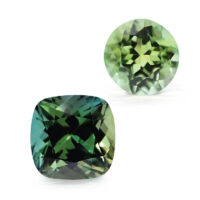
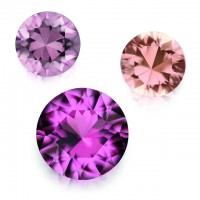
Afghani Purple Scapolite displays gorgeous slightly bluish-purples, similar to the Jacaranda tree’s flower, with a highly desirable medium-light saturation (strength of color) and tone (lightness or darkness), the marketplace ideal.
Deft lapidary is absolutely critical to fully realize Afghani Purple Scapolite’s unique beauty: it has perfect cleavage in two directions, intersecting at right angles on a cross-section, breaking consistently along flat planes in specific directions. This requires perfect orientation by experienced lapidaries, often orientating the c-axis for color.
Seldom calibrated for jewelry, our Afghani Purple Scapolite was optimally faceted in the legendary gemstone country of Thailand (Siam), home to some of the world’s finest lapidaries and master cutters. Each crystal was carefully orientated to maximize colorful brilliance, maintaining an eye-clean clarity (the highest quality clarity grade for colored gemstones as determined by the world’s leading gemological laboratories), a high/mirror-like polish to accentuate its vitreous (glassy) luster, and an attractive overall appearance (outline, profile, proportions, and shape).
The key reasons to consider our Afghani Purple Scapolite are: superior natural, unenhanced color; clarity; cutting quality; a rare, exotic, and highly collectible gemstone; valued origin pedigree; and extremely challenging ethical sourcing.
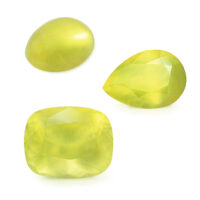
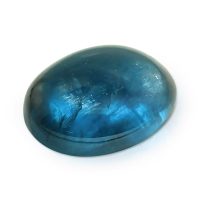
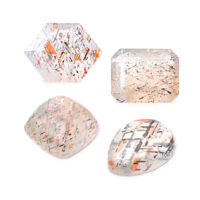
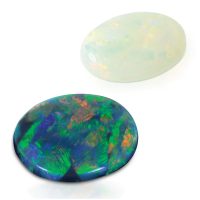
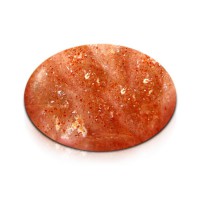
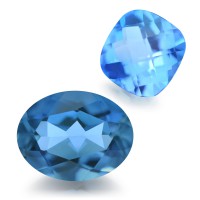
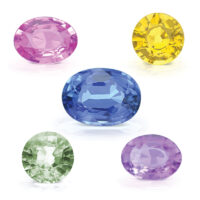
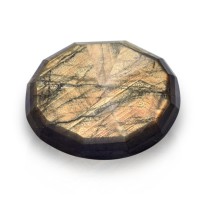
Scapolite was named in 1800 by José Bonifácio de Andrada e Silva (1763 – 1838) from the Greek ‘skapos’ (σκᾶπος) meaning rod or shaft in reference to its prismatic crystals. A mixture of minerals, with varying relative densities and refractive indices, Scapolite is a group of aluminosilicate minerals that includes sodium-rich Marialite, calcium-rich Meionite, and Silvialite (very similar to Meionite). Often visibly indistinguishable from each other, they also form unclassified intermediary examples within the group. Scapolite is the accepted term for all these gems, and further classification is often impossible without advanced testing, which is usually impractical. Scapolite is primarily found in metamorphic rocks, and only very occasionally in igneous rocks. Transparent to opaque, Scapolite comes in blue, bluish-gray (silver), brown, colorless, cream, gray, green, pink, purple, red, white, and yellow. The colors and properties of Scapolite are due to varying amounts of calcium and sodium in its chemical composition. Scapolite may display bright/strong pink, white, or yellow fluorescence in both shortwave and longwave ultraviolet light, and pleochroism (different colors visible when the gem is viewed from different angles). Some rare specimens display a variety of phenomenal effects, including chatoyancy (also known as the cat’s eye effect, appears as a single bright reflective line of light, similar to a cat’s eye), tenebrescence (also known as reversible photochromism, this is the ability of minerals to change color when exposed to light), iridescence (a rainbow-like color effect caused by a gem’s structure breaking up light into its spectral colors), and very rarely, aventurescence due to brownish-orange Hematite platelets. Rosalinda is an ornamental lapidary rock from Peru containing Scapolite. Other Scapolite variety and trade names include Nuttallite, Petschite (a trade name for Tanzanian purple Scapolite discovered in 1975), and Wernerite, named in honor of the German geologist and mineralogist Abraham Gottlob Werner (1749 – 1817). Although Wernerite is an obsolete mineral name, collectors still widely use it for the strongly fluorescent scapolite from Canada.
Rarity
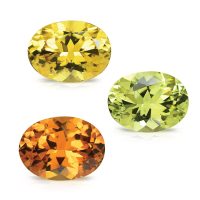
While Scapolite is a common mineral globally, typically opaque and fairly uninteresting, gem-quality is only sporadically found in widely distributed, small pockets, making it incredibly scarce. Several unique localities provide gemmy transparent crystals, which fashion extremely rare, attractive gems: Afghanistan (fine purples), Brazil (pastel yellows, sometimes large and suitable for faceting), Canada, China, India (pale yellows), Madagascar (yellow facet-grade), Myanmar/Burma (colorless and yellow), Tajikistan (light purple), and Tanzania (some purples, as well as the finest golden yellow Scapolite known in commercial jewelry quantities; also much darker and cleaner than Brazilian Scapolite). The main facet-grade colors are: yellow, followed by purple; yellows are most common by a large margin, with purples a distant second, making them especially coveted.
Scientific documentation of Scapolite in the Sar-e-Sang (Sar Sang) host rocks dates primarily to the 1960s through the 1980s, with major geological expeditions taking place in 1963 – 1968 and key mineralogical publications appearing in 1981 and 1985. Sar-e-Sang lies in Afghanistan’s Badakhshan Province in the Western Hindu Kush region, part of the main collision belt between the Indian and Eurasian plates. Sar-e-Sang’s original sedimentary and igneous rocks formed 2,400 – 2,700 million years ago and have been metamorphosed several times. Located between Tajikistan and Pakistan’s Gilgit-Baltistan Region, Afghanistan’s Koksha Valley is an area rich in gemstones collected since time immemorial. Afghanistan’s gem mines are some of the oldest and most celebrated in the world. For example, Sar-e-Sang is famous for its ancient Lapis Lazuli mines, that today still yield the world’s finest. The principal source of Lapis Lazuli in antiquity, Sar-e-Sang has been worked since proto-historic times, circa 7th millennium BC, approximately 8,000 to 9,000 years ago. Sar-e-Sang Lapis has even been found in renowned archaeological discoveries, including the Royal Treasure of Ur and the Tomb of Tutankhamun. Afghanistan continues to be an important source of gemstones including Emerald, Kunzite, Lapis Lazuli, Ruby, Sapphire, and Tourmaline. Importantly, our Afghani Purple Scapolite was mined prior to the Taliban regaining power in Afghanistan, 15 August, 2021.
With over 90 percent of gemstones treated, enhancements are prevalent in the marketplace and can significantly impact price. Afghani Purple Scapolite is one of the few gemstones that remains entirely natural and unenhanced, accentuating desirability, rarity, and value. While Scapolite is usually unenhanced, be aware some Purple Scapolite in the marketplace is irradiated, with prices for natural Purple Scapolite differing greatly from irradiated gems. Unenhanced purples are not only rarer, but also display a purer purple, with irradiated purples often showing an undesirable gray secondary tone. Prices for unenhanced Purple Scapolite exceed Yellow Scapolite, while prices for irradiated Purple Scapolite are far below yellow. As usual, Purple Scapolite’s value also depends on size, clarity, and color, with both saturation and cutting quality commanding price premiums.
Gem-quality Purple Scapolite is rarely larger than 5 carats, with the majority well under 2 carats. Assuming a typical gem mineral return of 20 – 35 percent, its cutting yield of only 11 percent is far lower than usual, further intensifying scarcity and constraining availability.
Durability & Care
Afghani Purple Scapolite is a rare, exotic jewelry gemstone, well suited to careful daily wear or special occasions (Mohs hardness: 5.5 – 6). It should always be stored carefully to avoid scuffs and scratches. Clean with gentle soap and lukewarm water, scrubbing behind the gem with a very soft toothbrush as necessary. After cleaning, pat dry with a soft towel or chamois cloth.
Map Location
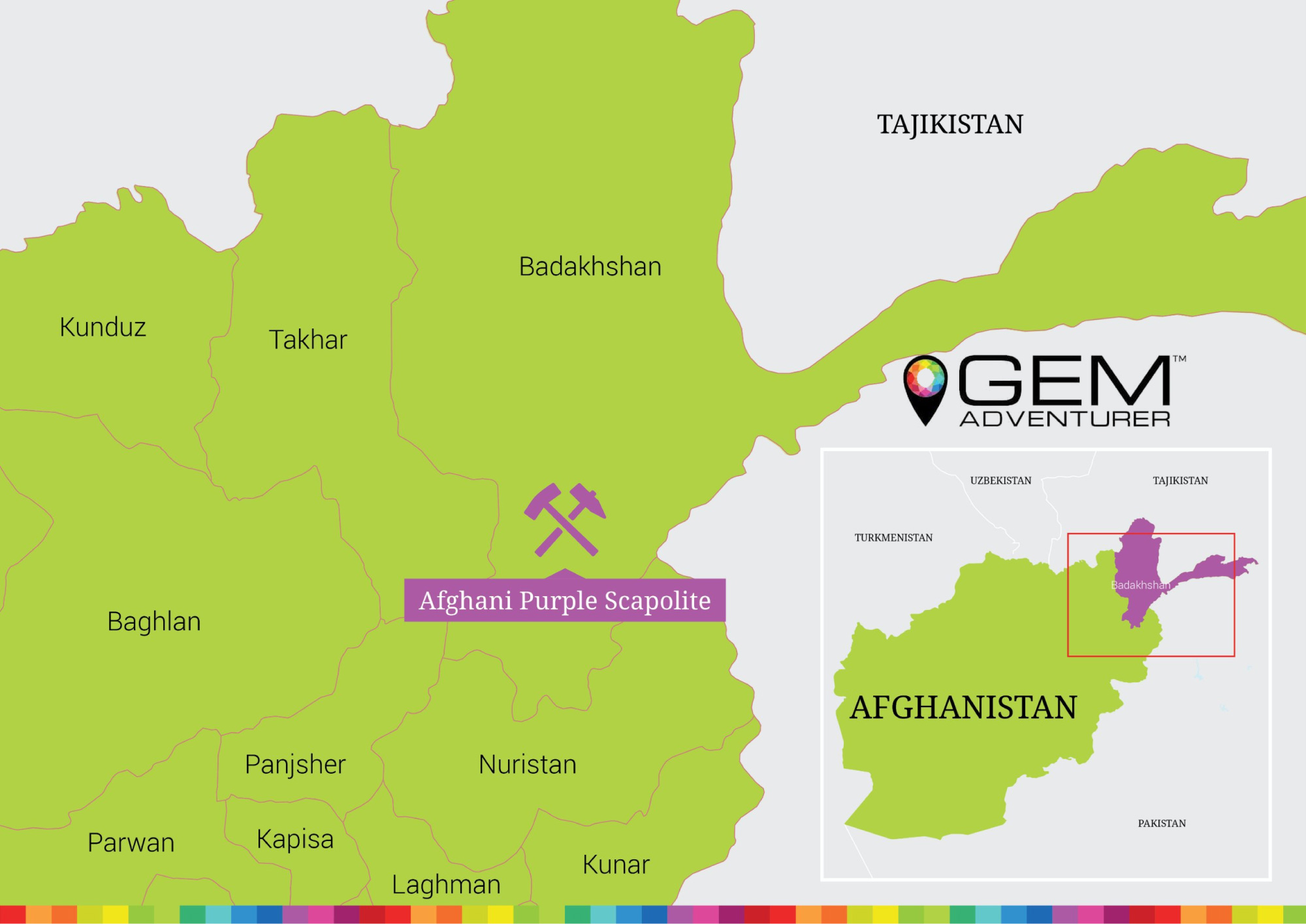
Click map to enlarge